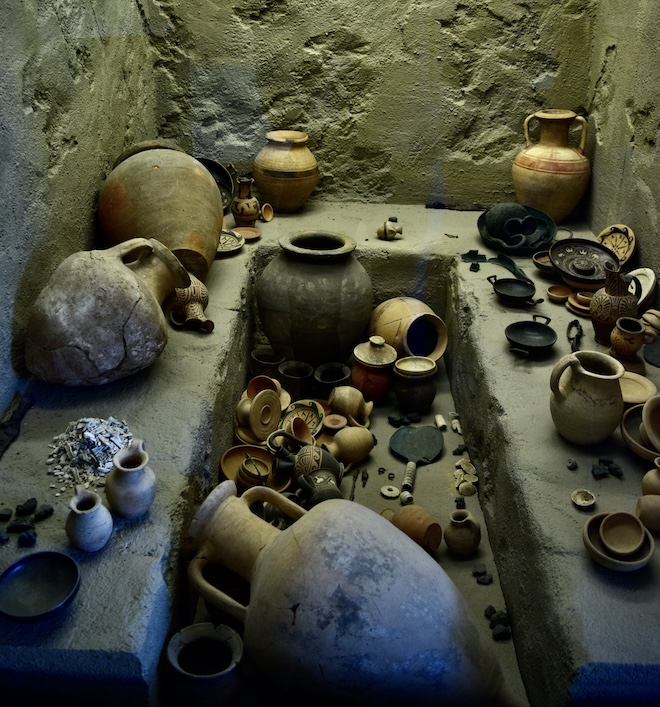
Human history is built on innovation. Long before writing, politics, or empires, our species evolved by making and using tools: first from stone, then from metals, and finally steel. Each stage required new skills, changed societies, and influenced what was possible in architecture, warfare, economy, and culture. In this article, we trace that evolution from the Stone Age through the Bronze and Iron Ages to the Age of Steel, exploring archaeological evidence, technological breakthroughs, and their implications.
1. The Stone Age: Foundations of Human Tool Use
1.1 Lower Paleolithic (~3.3 to ~300,000 years ago)
The earliest known stone tools date back to around 3.3 million years ago in Kenya — long before modern humans existed. These simple tools, known as Oldowan tools, were stones struck to produce sharp edges for cutting and scraping meat or processing vegetation. These early innovations reflected cognitive abilities such as planning, selecting materials, and understanding cause and effect.
1.2 Middle and Upper Paleolithic (~300,000 to ~10,000 years ago)
Around 1.7 million years ago, early humans developed Acheulean hand-axes — symmetrical, bifacial tools that were far more refined and efficient than their predecessors. As time progressed, humans began using bone, antler, and wood, creating complex composite tools. The introduction of hafting (attaching stone blades to wooden handles) marked a leap in efficiency and functionality. During this period, humans also mastered the controlled use of fire, which allowed cooking, warmth, and later, metal smelting.
1.3 Neolithic (New Stone Age, ~10,000 to ~4,500 BCE)
The Neolithic period transformed human life. People shifted from nomadic hunting to settled agriculture, giving rise to permanent villages and early civilizations. Farming required polished stone tools such as axes and sickles, and pottery became essential for storage. This age also saw social specialization — artisans, farmers, and traders emerged, setting the foundation for economic systems. The advances in agriculture and settlement paved the way for the discovery and use of metals.
2. Transition from Stone to Metal: The Metallurgical Turning Point
Stone tools served humanity for millions of years, but the discovery of metal changed everything. Metals introduced strength, flexibility, and durability — qualities stone could never offer. The journey from stone to metal was gradual, involving discovery, experimentation, and innovation.
2.1 The Chalcolithic or Copper-Stone Age
During the Chalcolithic period, humans discovered that copper could be melted and shaped into tools, ornaments, and weapons. Although softer than later metals, copper was easier to mold and recycle. This era represents a bridge between the Stone Age and the true Metal Age. People learned to extract metal from ores using heat — one of the earliest examples of applied chemistry.
2.2 The Bronze Age (~3300 to ~1200 BCE)
The Bronze Age marked one of humanity’s greatest technological leaps. By combining copper with tin, people created bronze — an alloy that was harder and more durable. Bronze tools revolutionized agriculture, architecture, and warfare. Farmers could now plough tougher soils, builders could shape wood and stone more precisely, and warriors wielded stronger weapons and armor.
This era also saw the rise of urban civilizations such as Mesopotamia, Egypt, and the Indus Valley. Trade networks expanded to exchange metals and minerals. The demand for tin and copper fostered long-distance trade routes and introduced early systems of economy and governance.
2.3 The Iron Age (~1200 BCE onward)
The Iron Age began when humans learned to extract and forge iron from ore. Iron was more abundant than copper or tin, making it accessible and transformative. Early blacksmiths learned to heat iron and hammer it into shape, producing stronger and more affordable tools.
However, early iron was not perfect. Without the precise control of carbon, it was often soft and brittle. Over time, metallurgists discovered that heating iron with carbon produced steel — a stronger and more flexible material. This discovery laid the foundation for the next monumental leap in human civilization.
3. The Steel Age: Industrialization, Mass Production, and Modern Applications
The “Steel Age” represents humanity’s entry into the modern industrial world. From architecture to transportation, steel became the backbone of progress. However, it took centuries of experimentation and refinement to master steel production.
3.1 Early Steel and Wootz Innovation
Ancient metallurgists in India developed one of the earliest forms of high-quality steel known as Wootz steel. This crucible steel, renowned for its durability and sharpness, was traded across Asia and the Middle East. Damascus steel — famous for its distinctive patterns and strength — was derived from this early innovation. These discoveries show how ancient craftspeople achieved exceptional quality long before industrial methods existed.
3.2 The Industrial Revolution and the Birth of Mass Steel
The true revolution came with the Industrial Era in the 18th and 19th centuries. Innovations such as the Bessemer process (1856) transformed steelmaking. By blowing air through molten pig iron, impurities could be removed quickly, producing large quantities of affordable steel.
This breakthrough powered the expansion of railroads, bridges, factories, and skyscrapers. Steel became the lifeblood of industrial growth. The ability to produce steel at scale made possible the infrastructure that supports modern society — from city skylines to machinery.
3.3 Modern Steelmaking and Specialization
Today, steelmaking is a blend of science and precision engineering. Processes like electric arc furnaces and basic oxygen furnaces allow fine control over the composition of steel. Different alloys are tailored for specific uses — stainless steel for hygiene, carbon steel for construction, and alloy steels for automotive and aerospace industries.
Sustainability is now a major focus. Recycling and eco-friendly production methods are reducing waste and carbon emissions. In modern construction, Expert steel fabricators play a vital role in designing and crafting structures that meet both strength and sustainability standards.
4. Archaeological Evidence and Key Innovations
Archaeological discoveries provide fascinating insights into this long journey of innovation.
- Oldowan tools (2.6 million years ago) – The earliest evidence of deliberate toolmaking by early hominins.
- Acheulean hand-axes (1.7 million years ago) – Advanced shaping and balance, reflecting growing intelligence.
- Neolithic polished tools (10,000 BCE) – Created for agriculture and woodworking, enabling permanent settlements.
- Copper smelting (5000 BCE) – Marks the dawn of metallurgy and chemical transformation.
- Bronze alloying (3300 BCE) – First synthetic metal; triggered the rise of civilizations.
- Iron smelting (1200 BCE) – Common metal tools, more efficient agriculture, and durable weapons.
- Wootz steel (300 BCE) – High-quality crucible steel developed in ancient India, setting global standards.
- Bessemer process (1856 CE) – Mass production of steel; foundation of modern industrial society.
Each step represents a shift in human ability — from manipulating nature to mastering it.
5. The Impact of Material Evolution on Society
The shift from stone to steel did more than change tools; it reshaped how people lived, worked, and thought.
Economic Transformation
Metals required mining, trade, and specialized labor. Regions rich in ores became centers of power. Long-distance trade routes emerged for copper, tin, and iron, linking cultures across continents.
Warfare and Power
The mastery of metalworking determined military dominance. Bronze swords and iron spears transformed warfare, leading to the rise and fall of empires. Steel weaponry later redefined global power dynamics during the Industrial Revolution.
Architecture and Infrastructure
Metal tools allowed precise cutting and shaping of stone and wood. Later, steel made it possible to build bridges, railways, ships, and skyscrapers — feats unthinkable in earlier ages. It changed how humans occupied space and built communities.
Cultural and Artistic Expression Metal was not just practical; it was symbolic. Jewelry, sculptures, and ceremonial weapons were crafted to represent power, faith, and creativity. Metallurgy became both an art and a science.
Environmental Considerations
Mining and smelting required large amounts of wood for charcoal and, later, coal. These processes contributed to deforestation and pollution. Today’s steel industry strives to balance technological progress with environmental responsibility through recycling and cleaner energy use.
6. Human Evolution and Innovation: The Broader Perspective
The story of human progress is the story of adaptation and curiosity. Every technological leap built on the last, showing the cumulative nature of human knowledge.
- Cognitive development: Toolmaking reflects problem-solving, foresight, and creativity.
- Social structure: As tools advanced, labor diversified — from miners and blacksmiths to architects and engineers.
- Cultural transmission: Knowledge passed through generations and across regions, allowing cumulative progress.
- Symbolism: Tools became symbols of human dominance over nature and our quest for perfection.
Innovation was not random — it was driven by need, environment, and imagination.
7. What Makes Steel the Pinnacle of Human Engineering
Steel is the culmination of thousands of years of experimentation. Its unique blend of strength, flexibility, and recyclability makes it a cornerstone of modern civilization.
- Strength and durability: Steel’s ability to withstand pressure and tension surpasses earlier materials.
- Versatility: It can be rolled, forged, welded, and molded into nearly any shape.
- Affordability: Mass production reduced costs, making strong materials accessible to all industries.
- Sustainability: Steel can be endlessly recycled without losing quality.
- Innovation platform: It forms the base for further advancement in alloys, nanotechnology, and robotics.
From ancient forges to modern factories, steel embodies humanity’s relentless pursuit of excellence.
8. Lessons from the Past and the Future of Steel
Archaeology continues to teach us how ancient techniques can inform sustainable futures. The precision and efficiency of early metallurgists — who relied on natural intuition rather than industrial power — remind us of craftsmanship’s value.
The future of steel lies in green innovation: hydrogen-based furnaces, renewable energy smelting, and advanced recycling systems. Researchers are developing “green steel” technologies to minimize carbon footprints while maintaining quality.
By blending ancient knowledge with modern technology, we can continue the legacy of innovation that began millions of years ago with a chipped stone.
_______________________________
From the first stone flake struck by our ancestors to the skyscrapers rising from steel frames today, the journey of human innovation is extraordinary. Each stage — Stone, Bronze, Iron, and Steel — reflects an evolution in intelligence, creativity, and mastery of nature.
The steel age is not the end but a new beginning. It symbolizes how far humanity has come — from survival to sophistication. As we look ahead, our challenge is to keep innovating responsibly, honoring both our ancient roots and our technological future.
The story of steel is ultimately the story of us: curious, creative, and ever-evolving — forever forging a stronger tomorrow.
__________________________
Image, Top Left: holmespj, pixabay