A church burns, a mill comes down, or a shop gets a new front. Within a few years, few people recall what stood there. Once a building is gone, good photos are often the only honest witness left. The National Park Service archive now holds records of more than 46,000 historic sites, with large-format photos at the core of each file.
A heritage record is not the same as a pretty picture. This guide shows how photographers capture old buildings, which rules they follow, and how owners can plan a shoot before change comes.
What Historic Building Photos Should Capture
In a heritage setting, the goal is a careful visual record, not a sales image. The photographer captures a building’s shape, materials, craft, condition, and setting. Changes made over the years belong in the record too. A future architect can then see what was there.
Each decision on site flows from that aim. Light stays neutral, and color stays honest. Editing stays light, with no dramatic skies or heavy filters.
San Diego shows why this matters. Its mission churches, its Balboa Park landmarks from the 1915 exposition, and its early bungalows all face salt air and earthquake risk.
Much historic building photography there comes from studios that also do commercial work, since both need faithful images. One architectural photographer in San Diego, active since 1997, handles interiors, exteriors, aerial views, and editing in-house, and avoids HDR effects. That restraint suits heritage files. A dramatic edit can hide cracks or the true tone of old plaster.
Techniques and Equipment That Make a Faithful Record
Perspective Control and Large-Format Cameras
Tilting a standard camera upward toward a tall facade makes its vertical lines converge. The building looks narrower at the top than it is. A view camera or tilt-shift lens corrects this, since the sensor plane stays square to the facade. Film has not vanished from this work. Digital files travel quickly, but large-format negatives can endure for generations.
Handling Light, Interiors and Difficult Conditions
Old interiors mix window glare, deep shadow, and tired fixtures. A skilled photographer uses careful exposure, soft fill light, and the right hour of day, not unreal HDR blends. Core habits include:
- Keeping vertical lines true and the camera level
- Shooting each wall straight on, then the corners
- Placing a scale bar and a color card in key frames
- Logging the date, direction, and spot of every view
Documentation Standards and What a Complete Record Includes
The Historic American Buildings Survey (HABS) serves as the chief reference point across the country. Its sister programs cover engineering works (HAER) and historic grounds (HALS). Their guidelines follow the Secretary of the Interior’s standards and set firm rules on format and coverage.
A typical shot plan starts with overall and context views. It then moves to each wall, the interiors, and details such as molding and joinery. Condition shots record cracks, water damage, and later additions. A full package usually holds:
- An index and a caption for every view
- A key plan that shows where each photo was taken
- Uncropped master files or properly processed negatives
- Notes on location, date, author, and rights
Examples of Heritage Documentation: Black and White, Color and Fine Art
Black and White as the Archival Standard
Archives still favor black and white photos. The reasons are a wide range of tones, stable materials, and a clear focus on form and texture. Color earns its place when the finish is the subject, from painted ceilings to weathered brick.
Fine Art Interpretation Versus Documentary Record
A record stays neutral. Fine art work, by contrast, uses shadow, cropping, and time of day to suggest what a place means. Many projects gain from both. One serves restorers and the other draws public interest.
Examples Across Building Types
What matters most depends on the type of structure. A mission chapel calls for adobe texture and layered repairs. A factory needs machinery, the steel frame, and the flow of work. The table below sets the main approaches side by side.
| Approach | Best For | Strengths | Limitations | Typical Deliverables |
| Archival black-and-white large format | Federal or state records | Long life, sharp detail | Slow, costly, no color data | Negatives, prints, index |
| Digital color documentation | Finish and condition studies | Fast, true color | Needs active file care | RAW and TIFF files, metadata |
| Fine art interpretive series | Exhibits, books, fundraising | Emotional impact | Not neutral or measurable | Curated prints |
| Aerial and drone survey | Large sites, roofs, grounds | Context and roof views | Permits, flight limits | Stills, video, maps |
Why Photographic Records Matter for Cultural Heritage
Preservation, Restoration and Research
Restorers use photos to match lost trim, paint schemes, and window patterns. Repeat shoots also track decay over time. A record made before a retrofit, sale, or teardown may be the only proof of what stood.
Digital files need care too. A file that cannot be opened is no record at all. Heritage bodies in England publish best practice for image capture and storage, so files of historic places stay readable for decades.
Public Memory, Advocacy and Fundraising
Images carry a place to people who will never visit, through classes, books, and exhibits. They also add weight to grant bids and donor campaigns. A photo cannot capture sound or how a space feels in use. It works best beside drawings and written history.
Planning and Hiring for a Heritage Shoot
The best time to record a building is before change arrives. Start by defining the purpose, since an archive submission needs a different scope than a donor brochure. Then plan access: owner consent, permits, and rules on tripods, drones, and visitor hours.
Before hiring, it helps to ask a few plain questions:
- Does the portfolio show true-to-life work without heavy HDR?
- How is light handled in dark or mixed interiors?
- Can the files meet a repository’s format rules?
- Are insurance and drone licensing in place?
Budget depends on site size, days on location, travel, aerial work, and file type. Film and archival prints cost more than digital files.
Popular Questions About Heritage Building Photography
Which Technical Skills Matter Most When Photographing Aging Structures for the Record?
Control of perspective comes first. Photographers use tilt-shift lenses or software to keep vertical lines true. Even lighting matters just as much, along with a sturdy tripod and a color reference card. Together these give accurate images that conservators and historians can compare over many years.
Do Archival Image Files Need Special Formats and Storage Practices to Last for Decades?
Yes. Most careful workflows capture RAW images and store the masters in uncompressed TIFF form. Each file should carry notes on location, date, and rights. Keeping several copies on separate drives in different places guards against hardware failure. Files should also move to new formats as old ones fade.
What Permissions Should a Photographer Secure Before Shooting Protected Landmarks?
Rules vary by site. Photographers often need written consent from the owner or managing body, especially for interiors, drones, or commercial work. Protected sites may also limit tripods, lighting, and access hours. Disputes and holdups are easier to dodge when a photographer reviews local rules, confirms copyright, and holds insurance.
In Summary
Heritage records work when accuracy comes before drama. A chapel, a factory, or a family home deserves a record that shows its form, materials, and condition clearly. Someone should be able to rely on it decades from now. Once work begins, the chance to make that record often closes.
One sensible move is drafting a single-page brief ahead of any outreach to photographers. It should list why the record is needed, which views are required, any archive rules, and the limits on site access. That page makes quotes easier to compare. It also keeps the final files useful to restorers, researchers, and the local community.
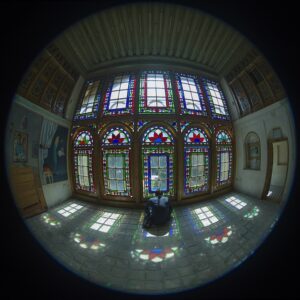
Image, Top: Mostafameraji, CC BY-SA 4.0, Wikimedia Commons
____________________________
Advertisement