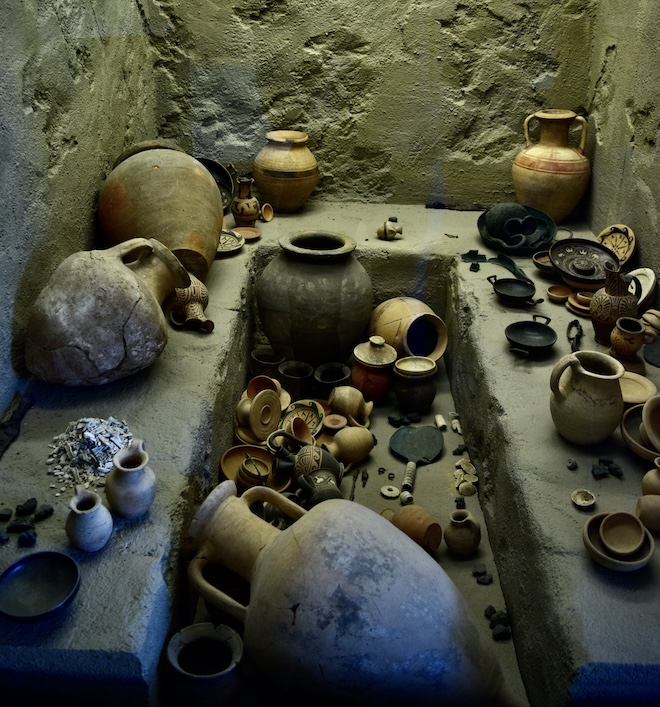
Heritage homes are living monuments. They are more than bricks, beams, and tiles – they are time capsules that hold stories of the past. Every wooden creak, carved column, or hand-painted ceiling tells us something about the lives, cultures, and architectural practices of bygone eras. Across the world, heritage homes form a key part of local history, community identity, and even global archaeology. Yet, these treasures are fragile, vulnerable to neglect, natural decay, and modern pressures.
Regular maintenance is not merely a matter of aesthetics – it is an act of preservation. When we maintain heritage homes, we are essentially protecting history and passing it on to the next generation. In this article, we’ll explore why regular maintenance is vital, what challenges heritage homes face, how archaeology informs their care, and how communities can come together to safeguard these extraordinary places.
Understanding Heritage Homes
Heritage homes are properties that have been officially recognized for their cultural, architectural, or historical importance. They could be centuries-old mansions, colonial-era residences, traditional farmhouses, or even modest cottages that reflect a region’s cultural evolution.
Unlike modern homes built with concrete, plastics, and machine-made materials, heritage homes often use natural and regional materials such as wood, stone, lime plaster, terracotta, or handmade bricks. Their design reflects climate adaptability, craftsmanship, and artistry that has often been lost in modern construction.
For archaeologists and historians, these homes are open books – they reveal social structures, trade practices, migration patterns, and even daily rituals of the people who once inhabited them. Preserving them isn’t just about protecting a structure; it’s about safeguarding an irreplaceable chapter of human history.
______________________________

______________________________
Why Regular Maintenance Matters
1. Prevention is Better Than Restoration
A small crack in a wall or a minor roof leak may seem insignificant today, but left unattended, they can escalate into structural hazards. Regular maintenance prevents small issues from becoming massive, costly restoration projects. Restoration often involves replacing original materials, which can diminish historical authenticity. Preventive care ensures that the heritage home remains as close to its original state as possible.
2. Protection Against Environmental Damage
Heritage homes are highly susceptible to environmental stressors. Wooden beams can warp in humid conditions, stone facades can erode due to acid rain, and metal fixtures may corrode. Regular cleaning, treatment, and weatherproofing can slow down this natural decay.
3. Safeguarding Cultural Identity
Communities often see heritage homes as symbols of pride. They embody regional craftsmanship and local traditions. By keeping them well-maintained, people protect not just architecture, but also cultural memory and identity.
4. Boosting Tourism and Economic Value
Tourism tied to historical places contributes significantly to local economies. A well-maintained heritage home can serve as a museum, a boutique hotel, or even a cultural center. For example, cities like Florence, Jaipur, or Quebec thrive on their ability to attract visitors through their historic neighborhoods. Neglecting these structures means losing potential cultural and financial capital.
5. Sustainability Through Preservation
Heritage homes were built to last, using natural materials with low carbon footprints. Maintaining them is, in many ways, more sustainable than demolishing them to build modern structures. Preservation reduces waste, saves resources, and honors traditional construction methods that were often eco-friendly by design.
Archaeology’s Role in Maintenance
Archaeology isn’t just about excavating ancient sites. It also provides insights into the preservation of standing heritage. Archaeologists and conservation architects analyze building materials, structural techniques, and even decorative patterns to recommend proper maintenance methods.
For instance:
- Material Analysis: Archaeologists determine the type of stone, clay, or wood used, ensuring that any repairs use compatible materials.
- Cultural Context: Understanding the original purpose of a home can guide its restoration. A 16th-century kitchen layout, for example, reveals airflow designs that still make sense today.
- Historical Integrity: Archaeology discourages modern shortcuts that may compromise authenticity, like replacing lime plaster with cement. Instead, experts recommend traditional methods that align with the home’s age.
_____________________________
_____________________________
Challenges in Maintaining Heritage Homes
1. High Costs
Maintaining a heritage home is expensive. Skilled craftsmen, traditional materials, and conservation-approved methods often cost more than modern alternatives.
2. Shortage of Skilled Labor
Traditional crafts like lime plastering, wood carving, or stone masonry are disappearing. Fewer artisans today have the skills needed to work on heritage properties.
3. Legal Restrictions
Many heritage homes are protected under government laws. Owners may face restrictions on renovations, making even minor maintenance complicated.
4. Urban Pressures
In fast-growing cities, heritage homes are often demolished to make way for high-rises. Regular maintenance helps strengthen the case for their preservation, but financial pressures still loom large.
5. Natural Disasters
Earthquakes, floods, and storms pose serious threats. Without preventive care, these homes are less resilient to natural calamities.
Practical Tips for Heritage Home Maintenance
- Routine Inspections
Conduct inspections at least twice a year. Look for leaks, cracks, infestations, or weakened joints. Early detection is key. - Use Traditional Materials
Avoid modern substitutes that may damage the building. For example, cement traps moisture in walls originally built with lime plaster. - Pest Control
Wooden structures are prone to termites. Eco-friendly pest management is essential for preservation. - Climate-Responsive Care
In humid climates, focus on ventilation and anti-mold treatments. In arid areas, prioritize protection against cracking and erosion. - Professional Cleaning
Heritage homes require gentle, professional cleaning methods to avoid damaging fragile surfaces. For example, just as modern hosts rely on Airbnb cleaning Calgary - services for upkeep of guest-ready properties, heritage home owners too must turn to specialized experts for careful cleaning that protects delicate interiors and antique finishes.
- Community Engagement
Residents can participate in heritage walks, workshops, and volunteer programs to help maintain local historic homes.
____________________________

____________________________
Heritage Homes as Living Spaces
Maintaining heritage homes is not just about freezing them in time. Many families still live in these houses, adapting them to modern lifestyles while respecting their historic character. This dual role – as living homes and cultural landmarks – makes their maintenance even more crucial.
When heritage homes remain occupied and cared for, they stay alive. An abandoned home, no matter how beautiful, begins to crumble quickly. Regular maintenance ensures these homes continue to breathe, function, and inspire.
Motivating Communities to Preserve Heritage
The real power of preservation lies in communities. Governments can pass laws, and archaeologists can advise, but it is the local people who must value and protect these treasures.
- Educational Campaigns: Schools and colleges can teach children the importance of heritage conservation.
- Tourism Incentives: Communities can benefit financially from well-maintained heritage neighborhoods.
- Storytelling: Documenting the stories of people who once lived in these homes creates emotional connections that encourage preservation.
- Volunteer Programs: Local groups can organize clean-ups, repair drives, or fundraising events.
Case Studies: Heritage Homes That Inspire
1. Haveli Mansions of Rajasthan, India
Many havelis were deteriorating until conservation groups stepped in. Now, several have been converted into museums and boutique hotels, attracting tourists from around the world.
2. Victorian Houses in San Francisco, USA
The famous “Painted Ladies” stand today as iconic landmarks because of strict preservation efforts and community pride.
3. Colonial Houses in Havana, Cuba
Despite economic struggles, Havana has managed to preserve much of its colonial charm through community-driven restoration projects supported by UNESCO.
These examples prove that maintenance is possible – and incredibly rewarding.
Preserving History, Inspiring Futures
Heritage homes remind us of who we are and where we come from. They reflect human resilience, artistry, and the capacity to create beauty that lasts centuries. Yet, their survival depends on us.
By prioritizing regular maintenance, we prevent decay, honor craftsmanship, and keep history alive. This is not only a responsibility but also a privilege. Each time we care for a heritage home, we are telling future generations: We valued our past enough to preserve it for you.
Preservation isn’t just about buildings. It’s about identity, sustainability, and continuity. It’s about leaving behind something meaningful that outlives us.
_____________________________
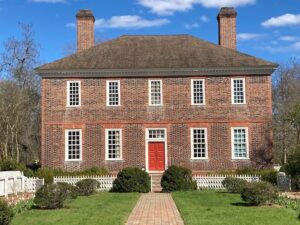
Above and below: reconstructed or restored colonial historic properties in Williamsburg, Virginia. Above, the Governor’s Mansion and grounds. Below, the Wyth house, restored and maintained in its original form.
_____________________________
_____________________________