The study of human origins in literature connects excavation records with narrative traditions. Archaeological findings shape how early societies are described in written form. These accounts reveal shifting interpretations of identity, memory, and cultural development across time over centuries observed.
Archaeology and Early Narratives
Excavation sites provide fragments of early storytelling practices that merge material evidence with oral tradition and reveal how communities shaped meaning from landscape and artifact over generations These traces remain uneven and partial in record.
Interpretations of early human behavior often rely on translated manuscripts and curated archives where access to knowledge varies widely including collections described as free books that circulate through educational networks and research institutions over time.
Methodologies of Discovery Narratives
Scholars reconstruct ancient events through stratigraphy and linguistic comparison which together form layered narratives that explain human migration patterns and cultural exchange across continents Interpretation depends on context and available evidence in archaeological study practice.
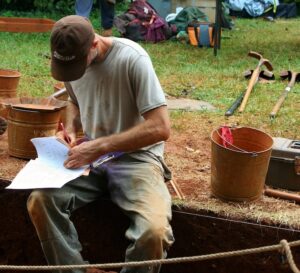
Documentation techniques influence how excavation findings are recorded and later interpreted in academic discourse shaping broader understanding of prehistoric societies and their environments. Field notes and diagrams preserve essential contextual detail for analysis consistently reviewed.
Material and Ethical Dimensions of Interpretation
Excavation narratives often converge in interdisciplinary studies where history and anthropology meet to form cohesive interpretations of human development across regions and time with careful comparative analysis applied in practice.
The following perspectives help structure this discussion further, clearly defined:
Stratigraphic Reading of Sites
Stratigraphic interpretation of excavation layers forms a key method for understanding temporal sequences in human settlements. Each soil layer carries material traces that reflect occupation abandonment and environmental change. Careful documentation allows researchers to reconstruct events without imposing modern assumptions on ancient contexts. The method demands patience and precision as small fragments often shift broader interpretations. Over time stratigraphy becomes a silent record of human activity revealing continuity and disruption in settlement patterns across landscapes and climates in comparative study.
Material Culture Interpretation
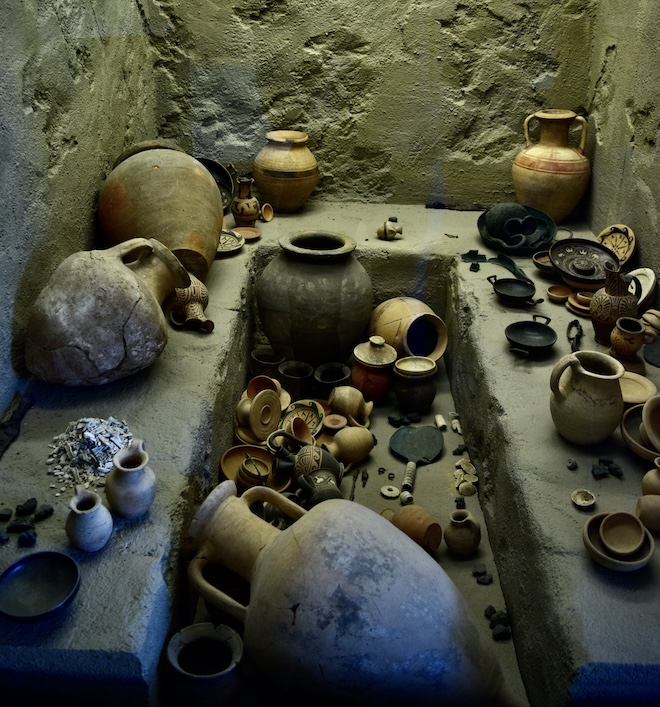
Material artifacts provide insight into daily practices and symbolic systems of ancient communities. Objects such as tools pottery and ornaments are examined for function and meaning within their original contexts. Researchers compare stylistic features across regions to identify cultural exchange and independent development. Interpretation requires caution as modern perspectives can distort ancient intentions. Despite limitations material evidence remains one of the most reliable sources for reconstructing human behavior across long spans of time and changing environments in systematic archaeological synthesis.
Ethics of Interpretation and Preservation
Ethical considerations shape how excavation narratives are constructed and shared within academic and public contexts. Decisions about preservation access and representation influence which stories are emphasized and which remain fragmented. Researchers must balance scientific inquiry with respect for cultural heritage and descendant communities. The handling of sensitive materials requires transparency and accountability especially when findings intersect with contested histories Through careful ethical frameworks archaeological work maintains integrity while supporting a broader understanding of human origins and cultural continuity over time.
Contemporary Reflections on Origins Narratives
Modern scholarship continues to refine understanding of early human history by integrating scientific findings with narrative interpretation that bridges gaps between evidence and cultural memory. Collaborative research expands perspectives across multiple disciplines and regions globally.
These evolving interpretations highlight the fluid nature of historical reconstruction where new discoveries continuously reshape established narratives about human origins and development. Ongoing analysis ensures deeper clarity in understanding ancient human pathways over extended periods.
Cover Image Top: Archaeologist at work. James DeMers, Pixabay
____________________________
POPULAR ARCHAEOLOGY ON INSTAGRAM

____________________________