Walking through New York City, it’s easy to see the soaring skyscrapers, honking yellow taxis, and constant bustle as the city’s defining traits. Yet, beneath this steel and glass, another quieter story grows — one told not through monuments or museums, but through the living ruins on the sidewalks: the trees. Each root that breaks through concrete, each trunk that twists toward the light, and each patch of earth among the urban grid tells an archaeological story of how nature and history coexist in one of the world’s densest cities.
These sidewalk trees — often overlooked — are not simply decorative greenery. They stand as living artifacts of the city’s evolution, silently recording centuries of urban expansion, environmental change, and forgotten land use patterns.
Roots and Ruins: The Archaeology Beneath the Pavement
Every sidewalk in New York is layered like an archaeological dig site. Beneath the surface of asphalt and concrete lies a complex record of human activity — fragments of cobblestone streets, brick foundations of colonial homes, clay pipes, oyster shells, and remnants of the city’s early settlements.
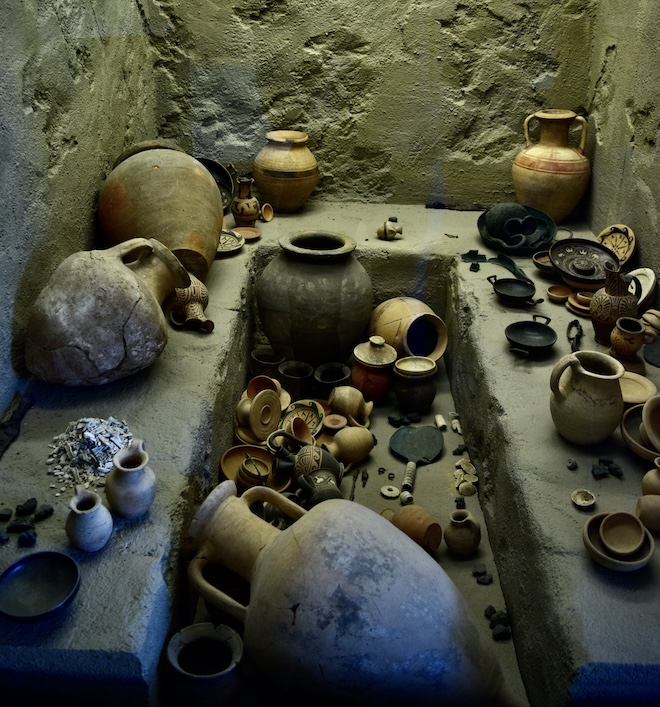
When sidewalk trees are planted, their roots inevitably disturb these buried layers, revealing evidence of the city’s past. In neighborhoods like SoHo, Greenwich Village, and the Lower East Side, arborists and city contractors often uncover traces of earlier street grids, long-buried wells, and even pottery shards while digging planting pits for trees.
For archaeologists, these small interventions in the urban fabric are invaluable. They provide glimpses into how the city’s environment has changed — from marshland and farmland to one of the most developed metropolises in the world.
Interestingly, the interaction between tree roots and buried artifacts can also act as a form of natural excavation. As roots expand in search of water and nutrients, they can displace soil layers, unearthing forgotten remnants. Thus, each tree becomes an unintentional archaeologist, slowly lifting the city’s history toward the surface.
However, these same processes also pose structural and legal challenges. Tree roots cracking through sidewalks may cause pedestrian hazards and city code issues, which often lead property owners to seek help from sidewalk violation removal contractors to maintain compliance with NYC Department of Transportation (DOT) regulations.
Nature’s Witness to Urban Transformation
New York’s trees are witnesses to urban change. The city’s earliest settlers in the 1600s would have encountered forests covering much of Manhattan Island, home to oak, chestnut, and hickory species. As colonization expanded, these forests were cleared for farming, roads, and buildings.
By the 19th century, industrialization had transformed New York into a sprawling metropolis. The few remaining trees were mostly ornamental, planted along boulevards and parks to symbolize progress and order. The creation of Central Park under Frederick Law Olmsted and Calvert Vaux marked a turning point, proving that nature could coexist within the city’s design — not as wilderness, but as managed beauty.
Today’s street trees — from the honey locusts of Brooklyn to the London planes of Manhattan — are descendants of that philosophy. Yet, unlike park trees, sidewalk trees face harsher conditions: compacted soil, pollution, limited water, and the constant stress of foot and vehicle traffic. Despite this, many survive for decades, outlasting buildings and businesses, and witnessing the continual reshaping of the neighborhoods around them.
When urban archaeologists examine areas with mature trees, they often find correlations between tree placement and historical property lines. Old root systems sometimes reveal the exact dimensions of vanished gardens or property boundaries from the 18th century. Even a single surviving elm can mark where a colonial path once ran, long before today’s grid system was imposed.
The Underground Network: Roots, Infrastructure, and Memory
Beneath the sidewalk lies an invisible but vibrant world where roots compete with pipes, cables, and sewers. The intertwining of natural and artificial systems forms a unique archaeological landscape that tells the story of modern civilization’s struggle to control nature.
Roots wrap around old clay sewer pipes from the 1800s, break through ancient bricks, or grow along abandoned utility tunnels. When city crews open the ground for maintenance or tree planting, they often encounter relics — pieces of terra-cotta drainage systems, coal fragments, and even animal bones from the city’s early markets.
This interplay between roots and ruins is symbolic. It reminds us that even in one of the most engineered environments on Earth, nature reclaims space, preserving the memory of what came before. Archaeologists studying these intersections argue that tree roots act as living conduits of memory, carrying forward the city’s ecological and cultural history.
Environmental Archaeology in the Modern City
In recent years, a new field has emerged at the intersection of urban ecology and archaeology: environmental archaeology. This discipline examines how natural elements — soil, plants, pollen, and even microorganisms — can reveal historical patterns of urbanization, pollution, and climate change.
Sidewalk trees are a vital part of this research. By analyzing tree rings and soil samples from around urban trees, scientists can reconstruct pollution levels, flooding patterns, and land use history over decades. For example, elevated lead levels in soil near older trees correspond to the era when leaded gasoline was common. Similarly, variations in tree growth patterns can indicate when nearby buildings or sidewalks were constructed, affecting sunlight and root space.
This scientific data adds depth to the archaeological record, showing not just what was built, but how it affected the living landscape. In this way, trees serve as both biological sensors and historical witnesses.
Cultural and Social Layers Around Trees
Beyond their ecological and historical roles, sidewalk trees are also social markers. Many New Yorkers feel a deep connection to the trees on their blocks — they provide shade, beauty, and a sense of continuity in an ever-changing city.
Some trees even become local landmarks. In Harlem, Brooklyn Heights, and Washington Square, century-old trees are celebrated by residents who see them as part of their community identity. Beneath these trees lie layers of cultural memory — stories of immigration, resilience, and transformation that mirror the growth rings within the trunks themselves.
Urban archaeology acknowledges that not all ruins are stone or metal. Living organisms like trees can also be heritage objects, holding collective memory within their very biology.
Balancing Preservation and Progress
As New York continues to develop, the challenge lies in balancing infrastructure repair with heritage conservation. Root damage to sidewalks often leads to costly maintenance, while construction work can endanger mature trees.
Programs like NYC Parks’ TreesCount! initiative aim to inventory and protect the city’s trees, recognizing their role in both urban health and historical continuity. However, when sidewalks crack or lift due to root growth, property owners face potential DOT violations. In such cases, specialized sidewalk violation removal contractors are essential for repairing damage safely, without harming the trees or disturbing archaeological materials beneath.
This delicate balance between nature, history, and modern regulation is one of the defining characteristics of New York’s living archaeology.
Living Monuments of a Changing City
The next time you walk through New York City, take a moment to look down instead of up. The cracks in the pavement, the exposed roots, the stubborn sprout growing between stones — these are all signs that the past still breathes beneath our feet.
Sidewalk trees remind us that the city is not just built on history but with it. Each tree is a living monument, bridging centuries of human and natural transformation. Their roots intertwine with the buried relics of colonial cellars, cobblestone roads, and industrial pipes — testaments to the layers of life that make New York unique.
In preserving these trees and the sidewalks they inhabit, we are not just maintaining infrastructure; we are protecting the city’s living archaeology — its connection between nature and memory, between ruin and renewal.
For sustainable preservation and compliance with city safety standards, property owners can consult professional sidewalk repair contractors NYC and concrete sidewalk replacement cost calculator who understand the importance of balancing repair with heritage and ecology — ensuring that New York’s living ruins continue to thrive for generations to come.
_______________________________
Cover Image, Top Left: RealAKP, Wikimedia Commons