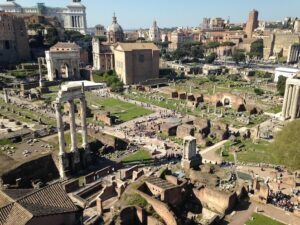
Preserving ancient heritage sites is one of humanity’s most essential responsibilities, allowing generations to understand history, culture, technology, and the evolution of societies. Archaeology uncovers the past, but infrastructure makes it possible to conserve, protect, and display these discoveries safely. As tourism increases and environmental conditions become harsher, the role of infrastructure—roads, drainage, stabilization supports, pathways, shelters, and protective coatings—becomes more vital than ever.
This article explores how infrastructure supports archaeological conservation, why it matters, challenges involved, and how modern construction principles contribute to safeguarding ancient heritage without harming authenticity.
Understanding Why Infrastructure Matters in Archaeology
Most archaeological sites were not built for long-term exposure. Ancient monuments, structures, and artifacts were often buried, sheltered, or undergoing natural deterioration before being excavated. Once exposed, they face:
- Rain, wind, and erosion
- Human tourism pressure
- Vandalism and theft
- Soil instability
- Thermal differences
- Water infiltration
- Microbial and chemical decay
Infrastructure provides an engineered solution to these threats. It helps archaeologists and conservation experts control visitor impact, stabilize ruins, manage stormwater, and protect surfaces from decay.
In simple terms, archaeology reveals the past; infrastructure ensures it survives the future.
Infrastructure Increases Accessibility Without Compromising Authenticity
Heritage sites attract researchers, educational institutions, tourism departments, and millions of curious visitors annually. While accessibility promotes cultural awareness, unrestricted access can cause irreversible damage.
This is where carefully designed infrastructure becomes essential:
- Clear walking pathways reduce trampling on fragile layers
- Controlled visitor flow prevents chaos
- Proper signage keeps people away from unstable areas
- Viewing platforms reduce direct contact with walls, floors, and carvings
Good infrastructure doesn’t change the site; it protects it while allowing people to experience it.
Roads, Pathways, and Visitor Routes Protect Fragile Surfaces
Improper foot traffic is one of the biggest causes of damage to ruins. For instance:
- Ancient mosaics may crack
- Mudbrick structures may crumble
- Uneven terrain may erode
Constructing paved walkways and retaining walls helps maintain controlled movement.
These pathways are often made from durable materials that can withstand high traffic—concrete, stone slabs, or treated surfaces. When modern sealants or protective paving is required to maintain structural longevity, services like Executive Asphalt paving and sealcoating help preserve outdoor pathways and prevent gradual erosion from weathering.
By designing sturdy walkways instead of letting people walk directly on ancient surfaces, archaeologists protect original soil profiles and delicate features below.
Drainage Systems and Moisture Control
Water is one of archaeology’s worst enemies. Ancient structures deteriorate fast when exposed to:
- Rainwater stagnation
- Ground seepage
- Flooding
- Freeze–thaw cycles
- Salts carried by water
Modern drainage infrastructure such as trenches, underground pipes, gutters, and run-off channels prevent water accumulation. At excavated sites, water management is crucial to preventing chemical and physical erosion.
Examples:
- In Mesopotamian mudbrick ruins, drainage prevents walls from dissolving
- In Greek and Roman sites, runoff channels stop mosaic floors from cracking
- In desert regions like Egypt, drainage prevents salt crystals from forming on decorated surfaces
Infrastructure here acts as a protective system, not as a modification of heritage.
Shelters, Roofs, and Climate Control Structures
Some ruins require physical shielding from environmental stress. Lightweight roofing and shelters are built to protect artifacts such as:
- Sculptures and murals
- Wooden beams
- Earthen structures
- Frescoes
- Ancient manuscripts
These protective structures are usually:
- Breathable
- Stable
- Lightweight
- Removable (non-invasive)
- UV-resistant
For delicate discoveries that cannot be removed from their original position, temporary roofing becomes indispensable. This allows the site to be studied and documented while being shielded from wind, direct sunlight, extreme temperatures, and rainfall.
Soil Stabilization and Foundation Support
Many ancient structures were built on soils that were stable long ago but no longer are, due to:
- Erosion
- Climate change
- Human activity nearby
- Earthquakes
- Vegetation root systems
Infrastructure for foundation stabilization includes:
- Geotextile layers
- Reinforcement grids
- Retaining walls
- Controlled drainage
- Soil compaction
These solutions allow archaeologists to preserve ruins in situ (in their original place) instead of having to relocate them.
Balancing Modern Construction and Cultural Authenticity
Archaeological ethics require that any infrastructure placed around heritage sites must:
- Be reversible (removable without damage)
- Be non-intrusive
- Respect historical context
- Be visually unobtrusive
- Avoid altering artifacts or sediments
Therefore, archaeologists work with engineers, architects, material scientists, and conservationists to design structures that complement heritage rather than overshadow it.
Lighting, Security, and Surveillance: Protecting Sites from Human Threats
Human-caused damage is often as harmful as natural decay. Theft, vandalism, and accidental contact destroy heritage permanently. Properly installed infrastructure helps:
- LED lighting for safe night visits
- CCTV to monitor site activity
- Laser perimeter alarms to prevent intrusion
- Access control gates
In museums where archaeological artifacts are displayed, infrastructure extends to:
- Temperature-regulated cases
- Controlled humidity systems
- Fire-suppression systems
- Secure flooring and panel supports
These measures minimize deterioration while maximizing visibility and safety.
Sustainable Infrastructure: Eco-Friendly Protection
Modern conservation emphasizes sustainability. Infrastructure today considers:
- Green roofing systems
- Reusing excavation backfill soil
- Solar-powered lighting
- Water recycling for site cleaning
- Using stabilized soil instead of concrete in sensitive zones
- Prefabricated reversible shelters
Sustainable infrastructure reduces environmental impact and protects heritage sites without introducing pollutants.
How Infrastructure Helps Archaeologists Conduct Research
Infrastructure isn’t only for tourism and preservation; it also supports research activities.
It makes excavation safer and more efficient through:
- Stabilized excavation trenches
- Drainage around trenches
- Scaffolding around large ruins
- Safe transport routes for artifacts
- Laboratory container units on-site
Infrastructure may not be visible to tourists, but it forms the backbone of every excavation.
Case Examples Across Cultures
Roman Civilizations
Ancient amphitheaters and streets use stone paving. Modern protective coatings, controlled walkways, and signage help prevent cracking due to foot pressure.
Egyptian Temples and Tombs
Air management systems reduce salt crystallization in underground chambers.
Mayan Ruins in Central America
Raised platforms prevent visitors from walking directly on fragile stone carvings and hieroglyphs.
Medieval European Sites
Moisture barriers and drainage systems prevent water from damaging frescoes and basement chambers.
These examples show that infrastructure is not a modern invention—it is a necessity for preserving civilization’s legacy.
Infrastructure as a Long-Term Investment in Cultural Preservation
Building roads, walkways, protective shelters, drainage systems, and monitoring equipment requires financial investment. However, the return on this investment is immeasurable:
- Tourism revenue for local communities
- Educational value for younger generations
- Historical identity for nations
- Awareness of ancient achievements
- Academical research progress
When infrastructure protects heritage, it protects knowledge.
_____________________________
Ancient heritage sites embody humanity’s journey through time—our technology, art, beliefs, trade, and social evolution. Infrastructure plays a crucial role in ensuring these remnants of the past survive environmental, physical, and human threats. From drainage systems to visitor pathways, shelters to soil stabilization, and modern sealing techniques to sustainable engineering, infrastructure supports archaeology’s mission: preserve the past, for the future.
When the world invests in proper, reversible, and sensitive infrastructure, ancient sites become accessible and educational while remaining safeguarded. In essence, infrastructure is not a threat to heritage; it is a guardian.
__________________________
Cover Image, Top Left: Mirandavandorst, Pixabay