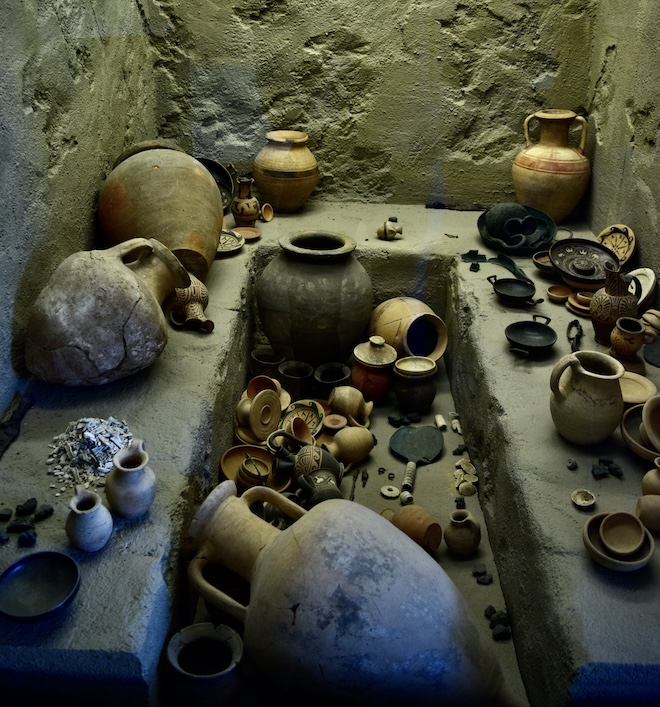
Beneath the calm surfaces of lakes, rivers, and oceans lies a hidden world — the remains of ancient civilizations swallowed by water. These submerged ruins, silent for centuries, are time capsules offering rare glimpses into the past. Underwater archaeology, a fascinating branch of the discipline, has unlocked secrets from cities long lost to floods, earthquakes, and rising seas. From the sunken temples of Egypt to the drowned streets of Dwarka in India, underwater worlds tell a story of human resilience, climate change, and the enduring power of water.
___________________________
1. The Birth of Underwater Archaeology
While traditional archaeology relies on excavation in dry land environments, underwater archaeology developed as technology evolved. Its origins can be traced back to the mid-20th century when divers began exploring shipwrecks and coastal ruins. The invention of scuba diving and later advancements in sonar and submersible technology opened a new frontier for historians and scientists alike.
Early explorations, such as those by Jacques Cousteau, revolutionized how we perceive the ocean’s role in preserving history. Unlike land, where oxygen and weather cause materials to deteriorate, underwater environments can sometimes preserve artifacts remarkably well. In certain conditions, lack of oxygen and cold temperatures slow down decay, keeping wooden ships, tools, and even human remains intact for millennia.
2. Why Civilizations Were Lost Beneath the Waves
Many ancient cities now underwater were once thriving coastal or riverine settlements. But the natural forces that sustained them also led to their downfall. There are several reasons why once-inhabited places ended up beneath the waves:
- Tectonic Activity: Earthquakes and volcanic eruptions can cause land to sink rapidly. The ancient city of Port Royal, Jamaica, for example, was swallowed by the sea in 1692 after a powerful earthquake.
- Rising Sea Levels: Over thousands of years, melting glaciers and shifts in ocean currents have raised global sea levels. Coastal civilizations that existed during the Ice Age are now submerged hundreds of feet underwater.
- Flooding and Storm Surges: Repeated flooding events could have forced populations to abandon low-lying areas, leaving them vulnerable to submersion.
- Human Engineering Failures: Dams, irrigation mismanagement, and deforestation have historically caused catastrophic flooding in some regions.
Each submerged site tells a cautionary tale about the delicate balance between humanity and the natural environment — a balance that continues to challenge us today.
3. Famous Underwater Archaeological Discoveries
Let’s explore some of the world’s most famous submerged cities and what they reveal about human history.
a. Heracleion and Canopus, Egypt
Once bustling port cities near the mouth of the Nile, Heracleion and Canopus vanished beneath the Mediterranean over 1,200 years ago. Rediscovered in 2000 by French marine archaeologist Franck Goddio, these cities revealed a wealth of statues, temples, coins, and pottery — all astonishingly preserved in the seabed’s silt. Heracleion’s discovery transformed our understanding of Egypt’s trade networks and its connection to the ancient Greek world.
b. Pavlopetri, Greece
Off the coast of southern Laconia lies Pavlopetri, considered the oldest known submerged city in the world. Dating back to around 3000 BCE, this Bronze Age settlement features streets, buildings, and even a water management system — all preserved under several meters of water. Pavlopetri provides invaluable insight into early urban planning and social organization in prehistoric Greece.
c. Dwarka, India
Mentioned in Hindu scriptures as the kingdom of Lord Krishna, Dwarka was believed to be a myth until marine archaeologists discovered ruins off the coast of Gujarat. Stone structures, anchors, and pottery dating back thousands of years suggest the existence of a sophisticated port city. The discovery bridges mythology and history, revealing how ancient legends often hold kernels of truth.
d. Atlit-Yam, Israel
Located off the coast of modern-day Haifa, Atlit-Yam is a Neolithic village preserved beneath the Mediterranean. Dating back about 9,000 years, it contains evidence of early agriculture, fishing, and even human burials. The site was likely abandoned after a catastrophic tsunami. It remains one of the best-preserved examples of early coastal living.
e. Port Royal, Jamaica
Known as the “wickedest city on earth” during the 17th century, Port Royal was a thriving center for pirates, merchants, and colonists. In 1692, an earthquake followed by a massive tsunami caused a large part of the city to sink instantly. Archaeologists have since uncovered homes, streets, and everyday objects — a vivid time capsule of colonial Caribbean life.
4. The Role of Technology in Underwater Exploration
Exploring underwater ruins is no simple task. The darkness, pressure, and inaccessibility of many sites demand specialized equipment and expertise. Thankfully, modern technology has made underwater archaeology safer and more precise than ever before.
- Sonar Mapping: Sonar systems use sound waves to create detailed maps of underwater landscapes, helping researchers locate structures and artifacts without disturbing them.
- ROVs (Remotely Operated Vehicles): These unmanned machines can reach extreme depths, capturing high-resolution images and collecting samples from areas too dangerous for divers.
- 3D Photogrammetry: By taking thousands of photos from multiple angles, archaeologists can create digital 3D models of submerged sites for study and preservation.
- Underwater Drones and AI: Artificial intelligence can now analyze sonar and photographic data to detect patterns and anomalies that might indicate human-made structures.
These tools not only assist in discovery but also minimize human impact, ensuring that fragile underwater heritage sites remain undisturbed.
5. Preservation Challenges: The Battle Against Water Damage
While underwater environments can preserve artifacts, they also pose constant threats. Corrosion, biological growth, and chemical reactions caused by saltwater can slowly destroy priceless relics once exposed. Conservation specialists face immense challenges when recovering and preserving these objects.
When artifacts are brought to the surface, they must undergo careful desalination and stabilization treatments to prevent them from disintegrating. Wood, for instance, can collapse once it dries if not properly treated with polyethylene glycol or other preservatives.
Similarly, modern-day structures also face destruction due to flooding or leaks — something that resonates beyond archaeology. The importance of water damage control and restoration applies not only to ancient relics but also to our homes and cultural landmarks. In fact, professionals like water damage restoration Brooklyn play a vital role in preserving today’s buildings much like archaeologists preserve ancient ones, ensuring that water’s destructive force doesn’t erase modern history.
6. Lessons from the Past: What Submerged Cities Teach Us
Underwater archaeological discoveries aren’t just historical curiosities — they offer profound lessons for the future.
- Climate Change Awareness: Many submerged sites are stark reminders of how environmental shifts can wipe out entire civilizations. As modern sea levels rise, coastal cities face similar risks today.
- Cultural Continuity: These discoveries highlight human adaptability. Even after natural disasters, people rebuild, relocate, and evolve.
- The Value of Preservation: By protecting underwater sites, we maintain a connection to our shared heritage and learn from the triumphs and mistakes of those who came before us.
- Interdisciplinary Research: Underwater archaeology brings together experts from geology, biology, engineering, and anthropology — showing the power of collaboration in uncovering history.
7. Notable Modern Projects in Underwater Archaeology
Across the globe, several major initiatives are underway to document and preserve submerged heritage:
- UNESCO’s Convention on the Protection of the Underwater Cultural Heritage (2001) established international laws to safeguard underwater sites from treasure hunters and looting.
- The Baltic Sea Project uses cold, low-oxygen waters to explore remarkably preserved shipwrecks, including 17th-century merchant vessels.
- The Black Sea Maritime Archaeology Project (MAP) has discovered dozens of shipwrecks — some over 2,000 years old — thanks to deep-sea scanning technology.
- The Mediterranean Archaeology Initiative continues to map lost harbors, trade routes, and submerged temples, revealing how interconnected ancient civilizations truly were.
8. The Future of Underwater Archaeology
The future of underwater archaeology lies at the intersection of innovation and conservation. With the help of AI, robotics, and satellite imaging, researchers can now detect submerged sites even from space. Virtual reality and 3D modeling allow the public to explore these ancient underwater worlds without disturbing them physically.
As our understanding deepens, underwater archaeology will continue to bridge the gap between past and present. It reminds us that history isn’t just buried underground — it’s hidden beneath the waves, waiting to be rediscovered.
______________________________
The story of submerged cities and underwater ruins is one of both tragedy and wonder. From the grandeur of Heracleion to the serenity of Atlit-Yam, these sites offer a timeless reflection of humanity’s bond with water — as a source of life, trade, and ultimately, destruction.
Each discovery teaches us how fragile and resilient civilizations can be. And just as archaeologists strive to preserve relics of the past, modern experts in water damage NYC
and beyond protect our present-day structures from similar fates. The connection between ancient floods and modern preservation underscores a universal truth — that water, though powerful and unpredictable, has always been both a creator and a keeper of history.
___________________________
Image, Top Left: Sabrinabelle, Pixabay