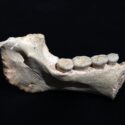
773,000-year-old fossils from Thomas Quarry I in Morocco illuminate the shared ancestry of Homo sapiens, Neanderthals, and Denisovans.

How the Slavic migration reshaped Central and Eastern Europe
Genetic analyses of medieval human remains reveal large-scale migrations, regional diversity, and new insights into early medieval communities.
Population history of the Southern Caucasus
Archaeogenetic study reveals this region’s population history in unprecedented detail, generating a DNA transect spanning nearly 5,000 years.
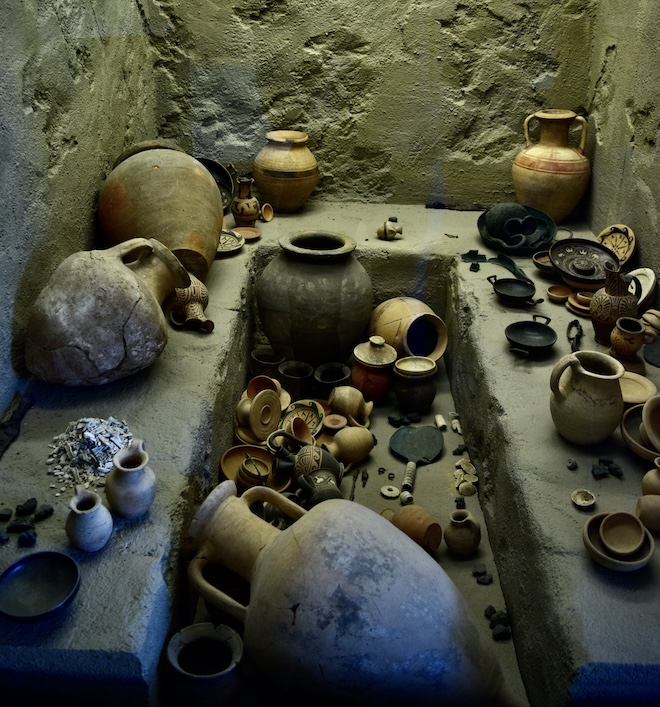
Phoenician culture spread mainly through cultural exchange
Study challenges long-held assumptions about the Mediterranean Phoenician-Punic civilization, one of the most influential maritime cultures in history.
First ancient genomes from the Green Sahara deciphered
A new study reveals a long-isolated North African human lineage in the Central Sahara during the African humid period more than 7,000 years ago.
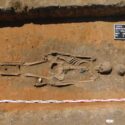
Oldest modern human genomes sequenced
Genomes of seven early Europeans show they belonged to a small, isolated group that had recently mixed with Neandertals but left no present-day descendants.
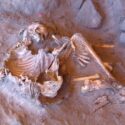
Thailand’s Iron Age Log Coffin culture
Ancient DNA helps researchers elucidate the structure of a prehistoric community from Southeast Asia.
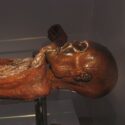
Ötzi: dark skin, bald head, Anatolian ancestry
Research team used advanced sequencing technology to analyze Ötzi’s genome to obtain a more accurate picture of the Iceman’s appearance and genetic origins.
Long distance voyaging among the Pacific Islands
Geochemical analyses of stone artifacts reveal long-distance voyaging among Pacific Islands during the last millennium.