Microbes frozen in ancient rubbish heaps help reconstruct ancient Greenlanders’ farms, seal hunts, and toilets
Microbiome of ancient middens sheds new light on the daily life of Paleo-Inuit and old Norse.
Bar-Ilan University study suggests 2,700-year-old standing stone (massebah) may provide fresh evidence for King Hezekiah’s religious reforms
Discovery at Tel 'Eton offers rare glimpse into religious change in the Kingdom of Judah during the First Temple period.
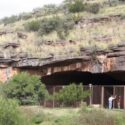

Archaeologists uncover 4,000-year-old evidence of siege warfare in ancient Mesopotamia
New discoveries from a UCF-led excavation in the Kurdistan region of Iraq, near the city of Erbil, are reshaping what researchers know about how ancient cities lived, governed and...
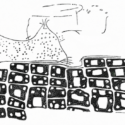



How Stone Tools, Fire, and Language Paved the Highway to Artificial Intelligence
Each leap in human communication—from vocal anatomy to writing to digital networks—followed the same pattern: faster, more complex, less individual.
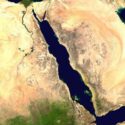
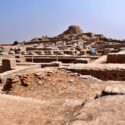

Priceless Prehistoric Treasures of Malta on the Edge
An interview with Dawn Adrienne Saliba, Ph.D. The islands of Malta and Gozo boast archaeological sites that have shaped and reshaped our understanding of a monumental human presence...

South American Indigenous peoples are diverse and descend from a third wave of migration
A FAPESP-funded study using whole-genome data from across the continent tells a more detailed story of its settlement. The study was featured on the cover of Nature.

Ancient DNA reveals web of marriage and migration in Peru
Long-distance movement, intermarriage and kinship shaped ancient Andean coastal networks before the Inca Empire, new research finds.


Neanderthal dentists used stone drills to treat cavities nearly 60,000 years ago
A tooth from a Russian cave provides the oldest evidence of complex dental care.