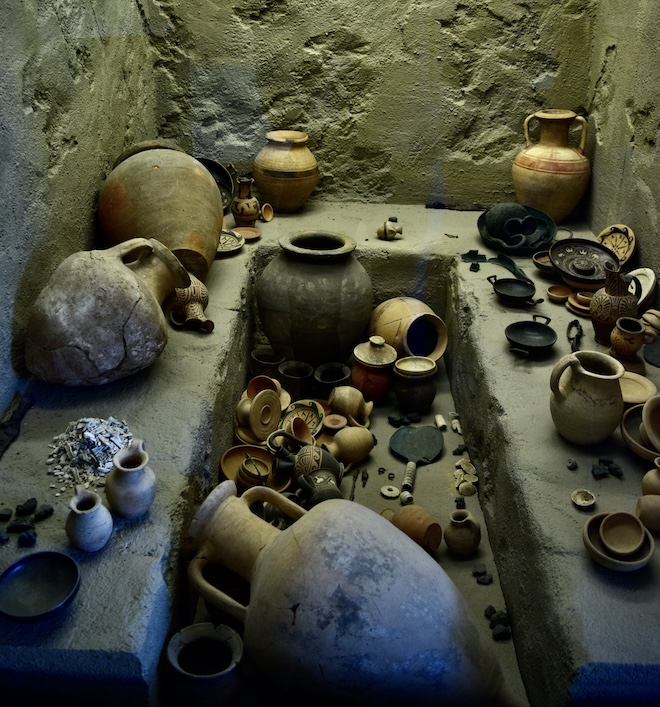
Archaeology isn’t just about ancient ruins and dusty artifacts — it’s about discovery, storytelling, science, and imagination. For children, it can be one of the most exciting gateways into history, geography, science, and even technology.
The key is making it hands-on, visual, and fun.
Here are 10 practical and creative ways to spark a child’s interest in archaeology — including how social media can play a positive role.
1. Create a Mini “Dig Site” at Home
Children love treasure hunts. Turn your garden or a sandbox into an excavation site by burying small objects like:
- Plastic fossils
- Old coins
- Pottery shards (safe replicas)
- Dinosaur bones (toy versions)
Give them brushes and small tools to carefully uncover items. Teach them to document what they find. This builds patience, observation skills, and excitement.
Archaeology immediately becomes an adventure.
2. Visit a Museum and Make It Interactive
Museums bring ancient worlds into focus. Institutions like the British Museum offer family trails, activity packs, and interactive exhibits.
To make it engaging:
- Give children a “mission” (find 3 ancient tools, 2 statues, 1 coin)
- Let them sketch their favourite artifact
- Ask what they think the object was used for
When children participate instead of just observe, curiosity grows.
3. Tell Stories, Not Just Facts
Archaeology is detective work. Instead of listing dates and names, frame discoveries as mysteries.
For example:
- Who used this bowl?
- Why was this building abandoned?
- What happened to this ancient city?
Turning artifacts into stories helps children emotionally connect to the past. It becomes human, not distant.
4. Use Social Media (The Right Way)
Platforms like YouTube and TikTok have made archaeology visual and accessible.
Short, age-appropriate videos can show:
- Real excavation sites
- Artifact restoration
- Ancient building techniques
- 3D reconstructions of cities
Social media works well because it’s:
- Visual
- Short
- Engaging
- Easy to understand
Parents can curate educational accounts so children consume high-quality content. Used wisely, social media turns archaeology into something current and exciting — not just something in a textbook and every published reel will get a set number of views.
5. Introduce Archaeology-Themed Books
Books bring the past to life through imagination. Look for:
- Child-friendly archaeology guides
- Historical fiction
- “Choose your adventure” stories set in ancient times
Pair reading with discussions about what archaeologists actually do versus what movies show.
This builds both literacy and critical thinking.
6. Watch Documentaries Together
Age-appropriate documentaries introduce real-world archaeology in a dynamic way.
For example, documentaries about ancient Egypt, Rome, or the Maya can spark fascination. Even streaming platforms now have child-friendly history content.
Pause occasionally and ask:
- What do you think they’ll find next?
- Why is that discovery important?
Turning passive watching into discussion deepens interest.
7. Explore Local History
Archaeology isn’t only about pyramids and lost cities. Every town has history.
Take children to:
- Old castles
- Roman roads
- Historic churches
- Local heritage centres
Seeing that history exists near their own home makes archaeology feel relevant and personal.
8. Encourage Creative Play
Children often learn best through imagination.
Encourage them to:
- Build ancient cities with LEGO
- Create clay “artifacts”
- Draw maps of imagined lost civilizations
- Write their own discovery journals
Creative play strengthens both knowledge and enthusiasm.
9. Use Technology and 3D Models
Modern archaeology uses advanced technology like 3D scanning and digital reconstruction.
Many museums and educational websites now offer:
- Virtual tours
- Interactive 3D artifact models
- Ancient city reconstructions
Children who enjoy technology may find this especially exciting. It shows archaeology isn’t just about digging — it also involves science, computers, and innovation.
10. Meet a Real Archaeologist (If Possible)
Nothing inspires like meeting someone who works in the field.
Some universities, museums, and heritage organisations offer:
- School visits
- Public talks
- Family excavation days
Hearing firsthand stories about discoveries, challenges, and adventures can leave a lasting impression.
When children see archaeology as a real career — not just a movie trope — it becomes something they can imagine themselves doing.
Why It Matters
Getting children interested in archaeology does more than teach them about the past. It develops:
- Curiosity
- Critical thinking
- Patience
- Scientific reasoning
- Cultural awareness
It also helps them understand that history is not fixed — it is discovered, interpreted, and continually evolving.
The goal isn’t to turn every child into a professional archaeologist. It’s to nurture a sense of wonder about the world and the people who came before us.
With hands-on activities, storytelling, technology, and even carefully curated social media, archaeology can move from being a school subject to becoming a lifelong fascination.
And once a child experiences the thrill of uncovering something hidden — even if it’s just a toy fossil in the garden — the spark is often lit for good.
_______________________________