Archaeology is widely associated with ancient ruins, lost civilizations, buried temples, and forgotten artifacts. However, archaeology is not limited to dusty landscapes or long-abandoned settlements. At its core, archaeology is the study of material culture—the physical objects people leave behind and what those objects reveal about society, behavior, and time.
When viewed through this lens, even the modern workplace becomes a rich archaeological landscape. From office layouts to discarded documents, from technology to coffee mugs, today’s offices silently document the patterns, values, and routines of contemporary human life.
This article explores how archaeologists interpret workplaces as cultural sites, what future researchers might uncover about our work habits, and how modern office environments—from open floor plans to the classic Office Cubicle—function as meaningful time capsules of the 21st-century professional world.
The Concept of Modern Archaeology
Modern archaeology has expanded far beyond excavations of antiquity. It now includes:
- Contemporary archaeology
- Industrial archaeology
- Digital archaeology
- Urban archaeology
- Workplace and organizational archaeology
These branches examine how people live today—and how future generations might interpret our lifestyles based on the objects, structures, and digital traces we leave behind.
The idea that an everyday environment like an office could hold archaeological significance is rooted in a core principle: humans express culture through material things. Whether it is a clay pot or a laptop charger, objects reveal human habits, values, and relationships.
Why Offices Matter as Archaeological Sites
For centuries, workplaces have shaped human society—factories, farms, workshops, trading centers, and later, corporate offices. Today’s office is a social ecosystem defined by:
- Roles and hierarchy
- Technology
- Rituals and routines
- Spatial organization
- Cultural and behavioral norms
Archaeologists study workplaces the same way they study villages or ancient settlements: by examining spaces, objects, and interactions.
Key Archaeological Questions Apply to Offices Too
- How is space used?
Just as archaeologists study room layouts in ancient houses, they examine modern office design to understand work culture. - What objects dominate the environment?
Stone tools once revealed hunting patterns; today, keyboards, sticky notes, and ergonomic chairs reveal patterns of digital labor. - What does the “debris” say about daily life?
Trash bins, old documents, expired ID cards, coffee cups — these items tell an intimate story of how workers navigate their routine. - How do people interact with their surroundings?
Placement of personal objects, choice of workspace, and decoration style reflect individuality and cultural norms.
The Office as a Micro-Society
A workplace mirrors society on a smaller scale. Each office contains:
1. Social Hierarchies
Archaeologists studying ancient palaces and villages look for signs of power.
In offices, hierarchy appears through:
- Private cabins for managers
- Larger desks for senior staff
- Assigned vs. hot-desking spaces
- Access to technology or restricted areas
Spatial patterns reflect authority, decision-making power, and organizational values.
2. Rituals and Routines
Like religious or cultural rituals in ancient societies, modern offices have their own routines:
- Morning coffee gathering
- Weekly team meetings
- End-of-month reporting cycles
- Workplace celebrations and events
Archaeologists interpret these repetitive behaviors as cultural practices that shape identity and community.
3. Material Culture
Workplaces contain a vast collection of objects:
- Stationery
- Laptops, tablets, cables
- Whiteboards with erased or partial notes
- Coffee mugs with messages
- Keycards, tags, access badges
- Waste paper
- Old manuals and training booklets
Each object holds clues about technology, habits, and social norms in the workplace.
What Future Archaeologists Might Discover About Us
Imagine a future researcher discovering a preserved office from 2024. What would they interpret about our society?
1. Digital Dependency
The presence of multiple screens, chargers, docking stations, headsets, and webcams would suggest a society heavily dependent on digital communication.
2. Pandemic Adaptation
Masks, sanitizer bottles, safety posters, and remote-work equipment would indicate a major global event that reshaped work culture.
3. Work-Life Balance Struggles
Objects such as stress balls, motivational posters, ergonomic chairs, and wellness reminder notes may suggest high-stress environments and a desire for mental balance.
4. Hybrid Work Culture
Sign-in logs, meeting rooms equipped for video calls, and hotel-style desks would show evidence of a shift between remote and in-person work.
5. Organizational Identity
Brand merch, lanyards, and internal communication documents provide insights into corporate culture and identity.
Office Layouts as Archaeological Landscapes
Archaeologists interpret office layouts much like they analyze ancient settlements. Spatial design reveals cultural patterns, productivity priorities, and beliefs about social interaction.
Open Office Layouts
Open spaces reflect a cultural shift toward collaboration, transparency, and multi-directional communication. However, cluttered desks or improvised partitions might suggest workers carving out personal boundaries.
Private Offices
Like chambers in ancient palaces, private rooms indicate authority, privacy needs, and organizational hierarchy.
Break Rooms and Social Zones
These are the “communal spaces” of the modern workplace—much like shared courtyards in ancient homes.
The Office Cubicle as Material Culture
The cubicle designs represents a major phase in workplace history, symbolizing:
- The rise of corporate structures
- The need for semi-private but controlled workspace
- Efficiency-driven design trends
- Standardized office environments
Archaeologists might interpret cubicles as artifacts of productivity culture, reflecting how modern workers balanced personal identity with corporate expectations.
Objects and Artifacts in the Modern Office
Archaeology thrives on the study of artifacts. In a modern office, the following categories are deeply meaningful:
1. Personal Items
- Family photos
- Plants
- Decor
- Inspirational quotes
These objects reveal emotional needs, identity expressions, and personalization habits in the workplace.
2. Technological Artifacts
- Old computers
- USB drives
- Office telephones
- Printers and fax machines
They document technological evolution and communication practices.
3. Ephemeral Materials
Notes, drafts, printed emails, sticky reminders, timelines, and calendars—though often temporary—are rich sources of information about workflow and cognitive processes.
4. Consumables
Coffee wrappers, snack packets, water bottles—these may seem trivial but reveal dietary habits, stress levels, time pressure, and cultural preferences.
The Office as a Living Excavation Site
Unlike ancient ruins, modern offices are active sites. Archaeologists can perform ethnographic observation, watching people interact with their spaces in real time.
This allows them to study:
Behavioral Patterns
- How people navigate between desks
- How teams use meeting rooms
- How breaks are structured
- How workers personalize space
Interaction with Technology
- Frequency of device use
- Collaboration tools
- Digital storage vs. physical storage choices
The Flow of Materials
- Document lifecycle (printing, marking, discarding)
- Movement of supplies
- Office maintenance patterns
Noise, Light, and Movement
These environmental factors influence how people behave—and leave material traces over time.
Office Waste as an Archaeological Goldmine
In archaeology, garbage tells powerful stories. Office waste bins reveal:
- Productivity cycles
- Stress periods
- Consumption habits
- Communication patterns
- Document revision processes
A sudden spike in printed drafts may indicate important deadlines.
High coffee cup counts may reflect long working hours.
Discarded manuals may point to organizational restructuring.
Corporate Culture Through an Archaeological Lens
Like ancient civilizations, companies have:
- Rituals
- Symbols
- Language
- Belief systems
- Hierarchies
- Shared identity
Archaeologists can trace these cultural elements through:
Artifacts
Branded notebooks, employee badges, merchandise, recognition awards.
Writings
Internal newsletters, memos, manuals, and posters.
Architecture
Work zones, meeting pods, cubicles, and layout choices.
Behavioral Traces
Seating patterns, rearranged furniture, personalized decorations.
Corporate culture becomes a tapestry woven from all these material clues.
How Archaeology Can Improve Modern Workplaces
Archaeology doesn’t just analyze the past—it can improve the present.
1. Better Office Design
Understanding how people use space helps architects design more comfortable, culturally aligned workplaces.
2. Improved Workflow
Archaeological analysis of object placement, movement patterns, and material use can identify inefficiencies.
3. Employee Well-Being
Studying stress markers, personalization trends, and comfort needs helps companies build healthier environments.
4. Cultural Preservation
Companies can treat old documents, awards, or floor plans as heritage—preserving their history for future generations.
The Office as a Future Archaeological Treasure
Centuries from now, if archaeologists excavate modern office buildings, they might uncover:
- Laptops as digital artifacts
- Meeting rooms as ritual gathering spaces
- Desks arranged like ancient workstations
- Corporate identity materials interpreted as cultural symbols
- Technology that becomes obsolete yet historically significant
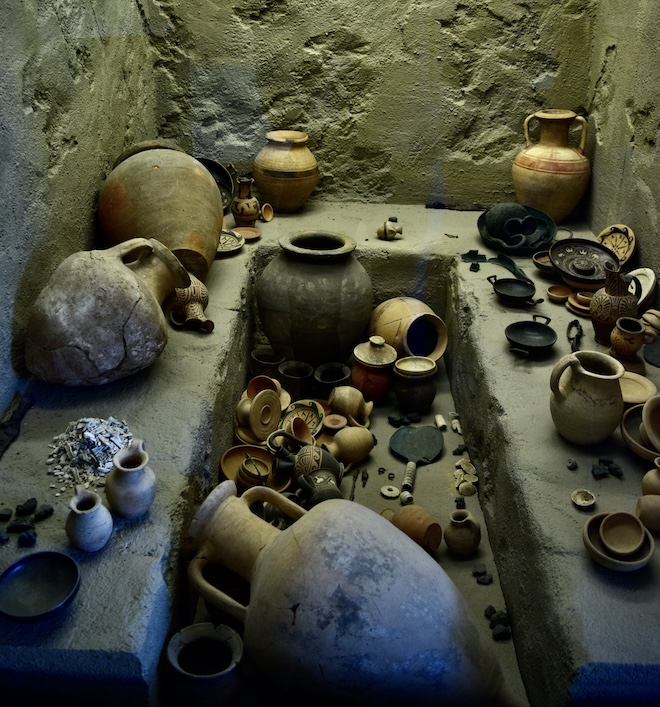
Just as we uncover the daily life of ancient people through cooking pots and tools, future generations will uncover our work lives through keyboards, printers, and office layouts.
___________________________
The idea of archaeology in the office setting may seem unusual at first, but when examined closely, the workplace becomes a fascinating landscape filled with cultural, social, and historical meaning. Every object, ritual, layout, and behavior contributes to a modern-day time capsule—one that reflects how we work, communicate, socialize, and define ourselves in the 21st century.
The office is not just a place of labor; it is a cultural ecosystem that future archaeologists will study to understand our values, technologies, and way of life. Each desk tells a story, each document holds context, and each space preserves the memory of how we lived our professional lives.
___________________________
Cover Image, Top Left: MagicDesk, Pixabay
___________________________