Students often confuse archaeology and paleontology. It makes sense. Both involve digging. Both involve the past. Both feel like something out of a documentary or a museum.
But once you look closer, the difference becomes clear. These fields study completely different things, use different methods, and lead to different careers. Choosing between them is not just about interest. It is about how you want to think, research, and work.
Understanding archeology vs paleontology early helps students avoid confusion later. It also makes academic decisions easier when choosing majors, courses, or even internships.
And many students exploring research-heavy fields eventually face large writing assignments as well. When deadlines overlap, some look for structured help and pay for research paper support to organize complex material and stay on track. Managing research and clarity at the same time is part of the learning process.
The key is understanding what each field actually involves.
__________________________

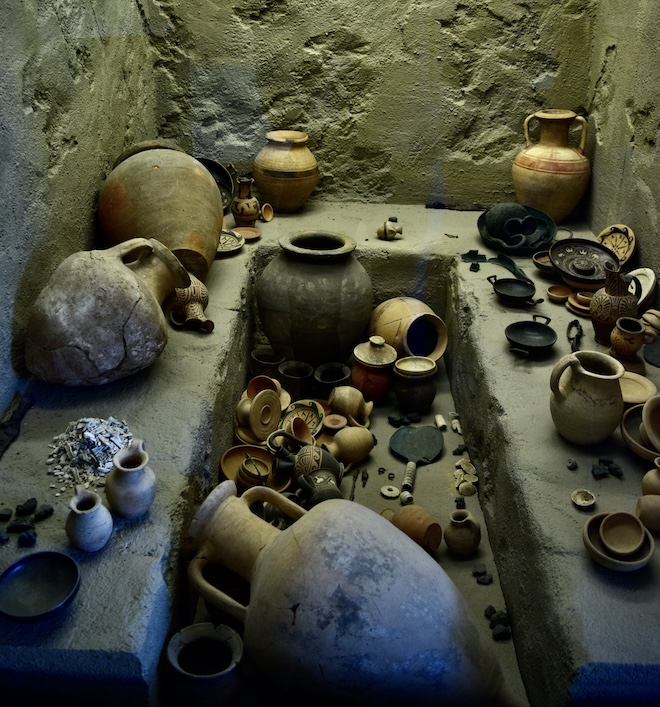
George Platakis, https://unsplash.com/photos/a-woman-standing-in-front-of-a-bunch-of-statues-h_IvCiWrH_M
__________________________
What Archeology Focuses On in Real Student Terms
Archeology is about human history. It studies how people lived, what they built, and how societies changed over time.
Students in this field work with artifacts. Tools. Pottery. Buildings. Even entire settlements. The goal is to understand human behavior through physical evidence.
This is why the difference between paleontology and archaeology matters. One focuses on humans. The other does not.
Archeology often overlaps with history and cultural studies. It asks questions like:
- How did people live in this location?
- What tools did they use?
- How did societies evolve over time?
It is about interpreting human stories through objects.
What Paleontology Actually Studies
Paleontology focuses on life before humans. Fossils. Dinosaurs. Ancient plants. Entire ecosystems that existed millions of years ago.
Students in this field study biological evolution. They analyze fossil structures and geological layers to understand how life developed.
This is where paleontology vs archeology becomes obvious. Paleontology is about biology and Earth history. Archeology is about human culture.
The work is often more scientific in nature. It includes lab analysis, field excavation, and data interpretation.
Side-by-Side Comparison for Students Choosing a Path
|
Aspect |
Archeology |
Paleontology |
|
Focus |
Human history |
Ancient life forms |
|
Main Evidence |
Artifacts, structures |
Fossils |
|
Academic Links |
History, anthropology |
Biology, geology |
|
Career Direction |
Heritage, research, museums |
Science, research, labs |
Understanding the difference between archaeology and paleontology is not just academic. It shapes career direction.
Where Anthropology Fits Into This Conversation
Many students also encounter anthropology when exploring these fields. Anthropology studies humans broadly, including culture, biology, and social systems.
That is why paleontology vs anthropology discussions often appear in academic circles.
Anthropology connects closely with archeology because both focus on humans. Paleontology stands apart because it studies life long before human existence.
This distinction helps students decide which direction aligns with their interests.
How Skills Differ Between These Fields
Source: https://unsplash.com/photos/tools-are-laying-out-on-a-piece-of-wood-ELr8gYeLdPo
The skills required in each field are not identical. They overlap in research and analysis but differ in focus.
Archeology students develop:
- Cultural interpretation skills
- Historical analysis
- Field documentation techniques
Paleontology students focus more on:
- Scientific observation
- Fossil analysis
- Geological context understanding
This is where paleontology and archaeology diverge in practical terms.
_________________________
_________________________
Archeologist vs Paleontologist: Career Reality
Students often imagine both roles as similar. Digging in remote locations. Discovering something valuable.
In reality, the careers differ more than expected.
An archeologist vs paleontologist comparison shows that archeologists often work with cultural heritage projects, museums, or historical research. Paleontologists are more likely to work in scientific research, universities, or natural history institutions.
This leads to another important distinction. One may spend more time analysing human artifacts. The other studies fossilised biological remains.
Why Students Confuse These Fields
The confusion comes from visuals. Both involve excavation. Both involve fieldwork. Both appear in documentaries and films in similar ways.
But once students understand the purpose behind the work, the difference becomes clear.
Another common comparison is paleontologist vs archeologist, which often highlights the contrast between scientific research and cultural analysis. The tools may look similar. But the goals are not.
Academic Pressure and Research Expectations
Both fields require strong research skills. Students must write detailed reports, analyze findings, and present conclusions clearly.
In discussions about academic workload, the topic of an essay writing service sometimes appears among students balancing research projects and fieldwork. Education expert Ryan Acton explains that structured academic support can help students organize complex ideas and improve clarity without replacing their own thinking.
Strong writing skills are essential in both fields.
Choosing the Right Path as a Student
Students deciding between these fields should focus on what excites them more.
If human history, culture, and social development are interesting, archeology is likely the better fit.
If biology, fossils, and ancient ecosystems are more appealing, paleontology is the stronger option.
A simple way to decide:
- Choose archeology if you want to study people
- Choose paleontology if you want to study life before people
This distinction is at the core of archeologist vs paleontologist decisions.
________________________
Laura Seaman, https://unsplash.com/photos/a-stone-structure-in-the-middle-of-a-mountain-range-Ln5YM-qkNbk
________________________
Future Opportunities in Both Fields
Both careers offer meaningful opportunities, though they are competitive.
Archeology roles often connect to cultural preservation, tourism, and academic research. Paleontology roles are more research-driven and tied to scientific institutions.
Recent data suggests that around 35% of archaeology graduates work in heritage or public sector roles, while paleontology graduates often pursue advanced degrees before entering research careers.
The path is not always straightforward. But the skills developed are valuable in many areas.
Final Thoughts: Understanding the Difference Matters
Choosing between these fields is not about which one sounds more exciting. It is about how you want to think and what you want to study.
Understanding archeology vs paleontology helps students make better decisions early. It prevents confusion and sets a clearer academic path.
Both fields offer depth, challenge, and discovery. But they tell very different stories.
One is about human history. The other is about life, long before it.
___________________________