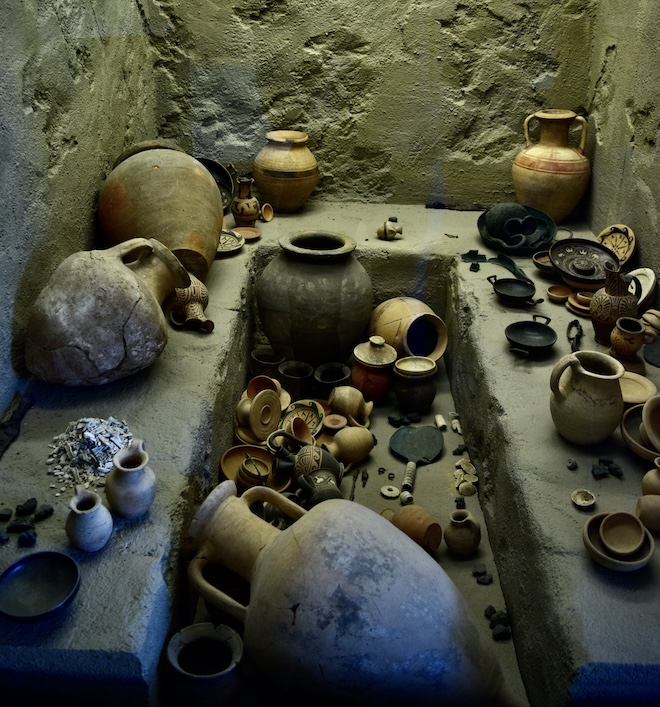
Canada’s transportation network—its highways, rail corridors, urban streets, and rural access roads—may look modern on the surface, but beneath it lies thousands of years of human history. As archaeological research advances and Indigenous heritage protection gains legal recognition, archaeological discoveries are increasingly influencing how transportation planning is approached across the country. From rerouting highways to redesigning urban infrastructure, archaeology now plays a vital role in shaping Canada’s mobility future.
Understanding the Link Between Archaeology and Transportation
Long before cars, trucks, or railways existed, Indigenous communities developed sophisticated transportation systems. These included seasonal trails, river routes, portage paths, and trade corridors that connected regions for commerce, migration, and cultural exchange. Archaeological findings help modern planners understand where these historic routes existed and why they were chosen—often due to terrain stability, water access, or environmental efficiency.
Many modern roads unintentionally follow these ancient pathways. Archaeologists use tools such as ground-penetrating radar, historical mapping, and artifact analysis to identify these routes, providing valuable insight before new transportation projects begin.
Legal Requirements and Cultural Preservation
In Canada, transportation projects must comply with federal, provincial, and Indigenous heritage protection laws. Environmental and cultural impact assessments now routinely include archaeological evaluations. When artifacts, burial grounds, or historic travel routes are discovered, planners are legally obligated to reassess designs.
This has led to:
- Highway realignments to avoid sacred sites
- Delays in construction timelines to allow excavation and documentation
- Redesigns of bridges and tunnels to minimize land disturbance
These measures ensure that development does not erase irreplaceable cultural history while still supporting modern transportation needs.
Case Studies Across Canada
British Columbia and Indigenous Trade Routes
In British Columbia, archaeological evidence of ancient coastal and inland trade routes has influenced highway expansion projects. Some corridors were adjusted after discoveries revealed long-used Indigenous travel networks aligned with rivers and mountain passes.
Ontario’s Urban Transit Developments
Toronto’s transit expansions have uncovered artifacts dating back thousands of years. Rather than halting progress, planners collaborated with archaeologists to preserve findings while continuing development, integrating heritage interpretation into station design.
Alberta’s Transportation Planning Challenges
Alberta, particularly around Calgary, presents unique challenges due to rapid urban growth combined with historically significant land use. Archaeological discoveries related to Indigenous hunting routes and settlement patterns have required transportation planners to adopt more flexible, consultative approaches when designing new roadways and access routes.
Technology Improving Archaeological Integration
Modern technology allows archaeologists and planners to work together more efficiently than ever before. Geographic Information Systems (GIS), LiDAR scanning, and predictive modeling help identify high-risk archaeological zones before construction begins.
This proactive approach:
- Reduces costly project delays
- Improves community trust
- Enables smarter land-use decisions
Transportation planning is no longer just about speed and efficiency—it’s about respecting the layered history beneath Canada’s landscapes.
Impact on Travel and Vehicle Use
As transportation routes shift or become more environmentally sensitive, travelers increasingly adapt how they explore archaeological and heritage sites. Many historic locations are in rural or semi-remote areas, requiring reliable transportation that can handle diverse terrain and long distances.
For residents and visitors in Alberta, especially those exploring heritage corridors near Calgary, a used SUV often provides the flexibility and durability needed to navigate both modern highways and heritage access roads while aligning with sustainable vehicle ownership practices.
Sustainability and Long-Term Planning
Archaeological awareness also contributes to sustainable transportation planning. By learning how ancient communities adapted to climate, terrain, and natural resources, modern planners gain insight into long-term resilience strategies.
Ancient routes often avoided flood zones, unstable soil, and environmentally sensitive areas—lessons that are increasingly relevant as Canada faces climate change challenges. Incorporating archaeological knowledge helps create transportation systems that are both durable and environmentally responsible.
Collaboration with Indigenous Communities
One of the most significant shifts in Canadian transportation planning is the growing collaboration with Indigenous communities. Archaeological findings are no longer interpreted in isolation; they are contextualized with oral histories and cultural knowledge.
This collaborative approach ensures:
- Respect for Indigenous rights
- More accurate historical interpretation
- Infrastructure projects that benefit local communities
Transportation planning becomes a shared process rather than a purely technical one.
Looking Ahead: A Balanced Future
Archaeological discoveries are reshaping how Canada thinks about progress. Rather than viewing history as an obstacle, planners increasingly see it as a guide. By integrating archaeological insights into transportation design, Canada is building systems that honor the past while supporting future mobility.
As urban expansion continues and infrastructure demands grow, archaeology will remain a crucial component of responsible transportation planning—ensuring that the roads Canadians travel every day respect the stories buried beneath them.
___________________________
Cover Image, Top Left: jmj2362, Pixabay