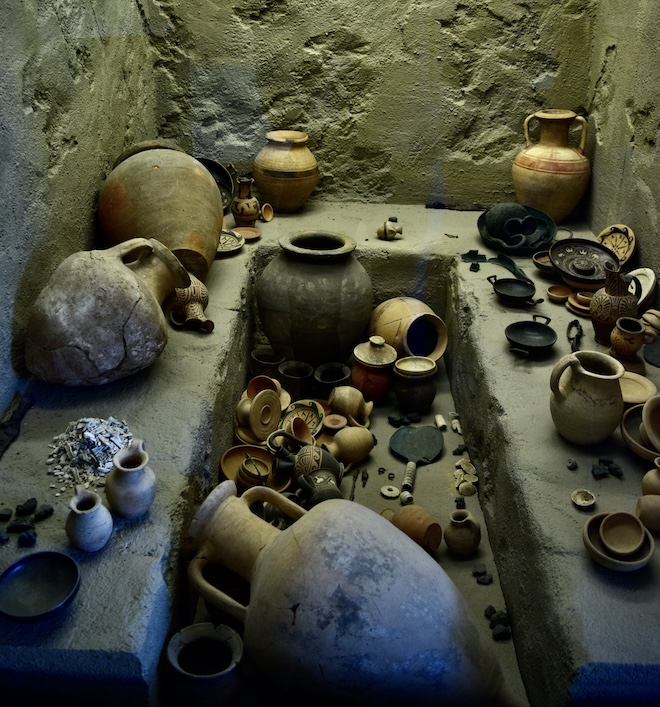
Archaeology used to live in dusty textbooks, late-night documentaries, and museum display cases. Today, it lives in your pocket.
Thanks to platforms like Instagram, TikTok, YouTube, and X, archaeology is no longer locked behind academic journals or university lecture halls. It’s immediate, visual, interactive—and surprisingly addictive.
Here’s how social media is transforming archaeology from a niche academic field into a global, real-time experience.
1. Real-Time Discoveries From the Field
In the past, you might wait years to hear about a discovery. Now, archaeologists share updates as they happen.
Excavation teams post:
- Daily trench progress
- Artifact reveals
- Drone footage of sites
- Live Q&A sessions from the field
When a mosaic floor is uncovered or a Roman coin emerges from the soil, followers see it almost instantly. The sense of discovery becomes shared. Instead of reading about history after it’s been processed and packaged, audiences witness it unfolding in real time.
That immediacy creates excitement—and excitement creates engagement.
2. Visual Storytelling Makes the Past Tangible
Archaeology is inherently visual. Social media amplifies that strength.
High-resolution photos, 3D scans, before-and-after restorations, and time-lapse videos allow viewers to see transformation. A crumbling wall becomes a reconstructed temple. A fragment of pottery becomes part of a larger story about trade, migration, or belief systems.
Short-form video platforms are especially powerful. A 30-second clip explaining how ancient tools were made can reach millions—far more than a traditional academic paper ever could and allows you plenty of non drop followers.
Social media doesn’t simplify archaeology. It translates it.
3. Museums Are No Longer Static Spaces
Major institutions such as the British Museum and the Louvre Museum have embraced social media to extend their reach far beyond their physical walls.
Museums now:
- Post curator walkthroughs
- Share “object of the week” stories
- Run interactive polls about artifacts
- Livestream exhibition openings
For people who may never travel to London or Paris, social media provides digital access to cultural heritage.
This shift democratizes archaeology. Geography is no longer a barrier to learning.
4. Archaeologists Become Storytellers
Traditionally, archaeologists communicated primarily through academic channels. Social media has encouraged a new skillset: storytelling.
Today’s archaeologists explain:
- What they’re digging
- Why it matters
- How methods work
- What misconceptions exist
This transparency builds trust. It also humanizes the profession. Followers see the long hours, the muddy boots, the careful brushing of soil. Archaeology becomes less about mystery and more about method.
When experts share context—rather than just conclusions—audiences understand that archaeology is not treasure hunting. It’s scientific investigation.
5. Younger Generations Are Engaging With History
Platforms like TikTok have introduced archaeology to audiences who might never watch a two-hour documentary.
Short educational clips:
- Debunk myths
- Explain ancient technologies
- Compare ancient and modern lifestyles
- Recreate historical scenarios
This format makes history feel relevant rather than distant. A well-edited video about Roman engineering or Viking shipbuilding can feel more like entertainment than a lesson—yet it still delivers real knowledge.
Engagement through comments also allows young viewers to ask questions directly. Curiosity becomes a conversation, not a lecture.
6. Citizen Archaeology and Community Participation
Social media doesn’t just broadcast information. It invites participation.
Communities now:
- Share local finds
- Report potential sites
- Help identify artifacts
- Contribute historical photographs
Crowdsourced knowledge has helped identify inscriptions, translate texts, and match artifacts to historical records.
Of course, responsible reporting and legal compliance are crucial. Archaeologists frequently use their platforms to educate audiences about ethical practices—such as avoiding illegal excavation or artifact trading.
This balance between enthusiasm and responsibility strengthens heritage protection.
7. Combatting Misinformation
Archaeology is often misrepresented in movies and pseudo-historical content. Social media provides experts with a direct channel to correct myths.
Professionals can quickly address:
- Fake artifact claims
- Misinterpreted findings
- Conspiracy theories
- Sensational headlines
Because platforms operate in real time, misinformation can be challenged almost immediately. Instead of waiting for a formal rebuttal in an academic journal, experts can respond in hours.
The result? A more informed public.
8. Digital Preservation and 3D Technology
____________________________
____________________________

____________________________
Beyond storytelling, social media highlights technological innovation in archaeology.
3D scanning, photogrammetry, and virtual reconstructions allow ancient sites to be preserved digitally—even if they are damaged or inaccessible.
Sharing these models online:
- Preserves fragile artifacts
- Allows global research collaboration
- Enables virtual exploration
- Expands educational access
In conflict zones or environmentally threatened areas, digital documentation becomes a powerful safeguard for cultural heritage.
9. Global Collaboration Across Borders
Archaeology has always been international, but social media accelerates collaboration.
Researchers can:
- Share findings instantly
- Connect with specialists worldwide
- Compare parallel discoveries
- Build interdisciplinary teams
A pottery fragment found in one country can be matched with a similar piece thousands of miles away thanks to shared images and open discussion online.
The field becomes more connected—and more efficient.
10. Making the Past Personal
Perhaps the most powerful change is emotional.
When people see an ancient footprint, a child’s toy from 2,000 years ago, or a handwritten tablet, history stops being abstract. It becomes human.
Social media allows these small, intimate discoveries to shine. Instead of focusing only on monumental architecture or royal artifacts, archaeologists can highlight everyday lives.
And that’s where archaeology truly comes alive—not in grand narratives alone, but in relatable human stories.
The Future of Archaeology in the Digital Age
Social media has transformed archaeology from a distant academic discipline into an accessible, participatory experience. It:
- Shares discoveries in real time
- Makes visual storytelling central
- Opens museum doors globally
- Encourages public participation
- Corrects misinformation
- Showcases cutting-edge technology
In doing so, it bridges the gap between past and present.
Archaeology is no longer just about uncovering history—it’s about sharing it instantly with the world. And as digital platforms continue to evolve, the connection between ancient civilizations and modern audiences will only grow stronger.
____________________________