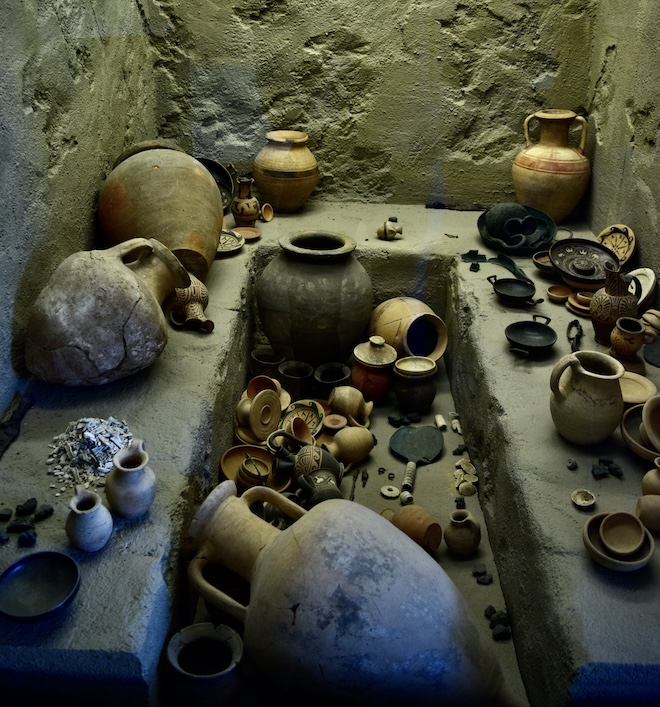
If your perfect holiday includes fresh sea air, ancient bones, Roman ruins, and the occasional “wait… is that a dinosaur footprint?”, the Isle of Wight is your place. It’s one of the best spots in the UK for hands-on archaeology vibes—whether you’re a museum lover, a cliff-walker, or a fossil-hunting menace (the wholesome kind).
And the best part? Getting there is easy—most people hop over on Wightlink and start the adventure from the moment the island comes into view.
1) Get Over There Smoothly (and Make It Part of the Fun)
The Isle of Wight feels like a proper “escape” without the stress of long-haul travel. Book your crossing with Wightlink (car ferry or foot passenger options depending on your plan), and treat the journey like the opening scene of your holiday: coffee in hand, camera ready, “archaeology mode” activated.
Pro tip: If you’re taking a car, it’s worth it for flexibility—many archaeology-heavy locations are spread across the island.
2) Plan Your Archaeology “Trifecta”: Fossils, Romans, and Local History
The Isle of Wight is basically an archaeology buffet. Build your itinerary around three themes:
- Prehistoric / Dinosaur & fossil tim
- Roman Britain
- Island heritage (coastal communities, maritime stories, and old settlements)
Even if you’re only staying a few days, you can hit all three without rushing—just group nearby sites together.
3) Do the Dinosaur Stuff Properly (Yes, It Counts)
The Isle of Wight is famous for dinosaurs for a reason. It’s not just kids’ entertainment—it’s real science, real discoveries, and real fossils washing out of cliffs.
How to enjoy it more:
- Join a guided fossil walk if you can (you’ll learn what you’re looking at and where it’s safe)
- Bring a small finds bag, gloves, and a brush (nothing dramatic—leave the sledgehammer at home).
- Treat it like a treasure hunt, but be respectful of the environment and local rules. Even if you find nothing, the geology and scenery alone are worth it.
4) Work in a Museum Day (It Makes the Outdoors Better)
Museums make your outdoor exploring feel smarter because you start recognising things: rock layers, artefact styles, time periods, the “ohhh THAT’s what that was” moments.
Best way to do it:
- Museum first (or early in the trip
- Then cliffs/sites late
- Then back to the museum shop for a shameless souvenir fossil (no judgement)
5) Use the Coastline Like a Timeline
On the Isle of Wight, the coast is basically a history book you can walk through. The cliffs and bays reveal different layers of time, and some of the best “archaeology energy” comes from simply following the shoreline and imagining how people lived, travelled, traded, and survived there.
Tip: Check tide times before long coastal walks and don’t stray under unstable cliffs.
6) Add One “Deep Dive” Day
Instead of trying to cram everything in, pick one day to go full archaeology nerd and commit to it:
- A longer fossil walk + museum
- A Roman-themed day + heritage sites
- A “lost landscapes” day: viewpoints, old routes, coastal settlement history
Pack snacks, water, and give yourself time to sit and soak it in—archaeology holidays are best when they’re not frantic.
7) Do a Guided Tour (Even Just Once)
A good guide turns a nice view into a story:
- “This used to be a river system…”
- “This bay exposed new fossils after a storm…”
- “This ridge used to be a strategic route…”
Even one guided activity early in your trip will upgrade everything you do afterwards.
8) Bring the Right Gear (So You’re Not Miserable)
This isn’t an Indiana Jones trip, but it is the UK coast—plan accordingly.
Bring:
- Walking shoes with grip
- Light waterproof jacket (always)
- Backpack with water/snacks
- Small notebook (you will want to remember things)
- Binoculars (great for spotting features from cliffs and viewpoints)
Optional but fun:
- Magnifying lens for rock/fossil peeping
- A field guide (or an app) Capture It Like a Proper Holiday (Not Just “Proof You Were There”)If you like sharing your trips:
- Photograph textures: rocks, layers, tool marks, museum details
- Do one “story post” per day: What did I learn today?
- Snap the ferry moment too—Wightlink crossing shots are classic “here we go” content It makes the trip feel like an experience, not a checklist.
9) Respect the Sites (So They’re Still Amazing Next Year)
Archaeology is fragile. The best visitors are the ones who leave it exactly as they found it.
Quick etiquette:
- Don’t dig into cliffs
- Don’t remove artefacts from protected places
- Stick to guidance on fossil collecting
- If you find something genuinely unusual, report it (you could help real research)
Being responsible is part of the fun—it’s like being on the team.
A Simple 3-Day Isle of Wight Archaeology Itinerary
Day 1: Arrive via Wightlink → settle in → museum visit → sunset coastal walk
Day 2: Guided fossil walk → beach time → relaxed dinner
Day 3: Roman/history sites + viewpoints → souvenir stop → head home
Final Thought
The Isle of Wight is one of those rare holiday spots where you can genuinely feel history under your feet—sometimes literally. Go slow, mix museums with coastline, do at least one guided experience, and make the journey part of the story (especially if you’re arriving on Wightlink).
If you want, tell me how long you’re going for (2 days / 3 days / a week) and whether you’ll have a car—and I’ll turn this into a tighter, day-by-day plan.