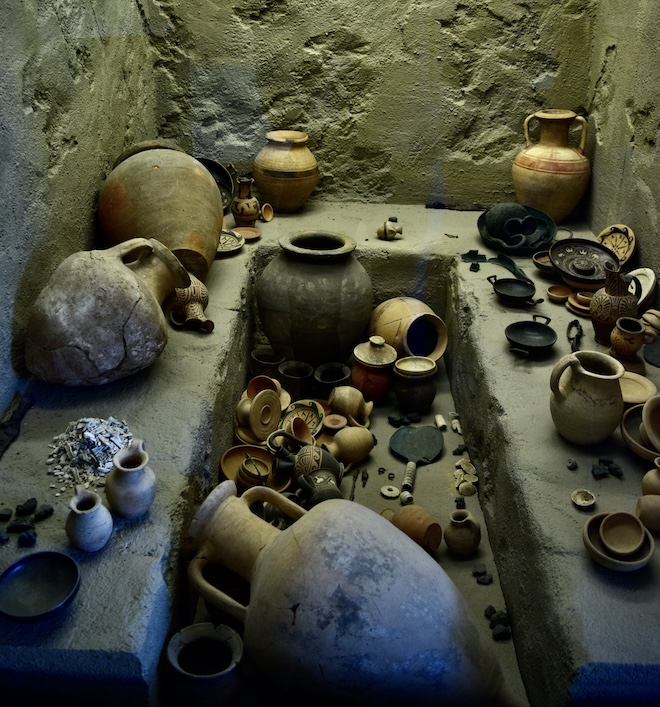
Photographs capture details that written descriptions often miss. Soil color variation. Tool marks. Spatial relationships. Lighting conditions. These details help researchers interpret context long after excavation.
Images also support transparency. They allow other researchers to review interpretations and methods. Clear visual documentation strengthens credibility and reproducibility.
According to the Society for American Archaeology, more than 80% of archaeological data comes from contextual information, not individual artifacts. Photographs play a critical role in preserving that context.
The Limits of Digital Storage Alone
Digital photography improved field documentation, but it introduced new risks. Files can be lost. Metadata can be stripped. Software becomes obsolete.
Digital archives often lack narrative structure. Thousands of images sit in folders without clear sequencing or explanation. Over time, context erodes.
Physical photo books provide structure. They force selection, organization, and explanation. This process mirrors traditional field reporting, but with stronger visual emphasis.
Photo Books as Extended Field Notes
Photo books function as curated visual field journals. They combine images, captions, maps, and notes into a single reference.
A well-designed photo book documents the excavation process from start to finish. Site overview. Trench opening. Stratigraphic changes. Feature exposure. Artifact recovery. Final interpretation.
Each image supports a moment in the story. Captions explain what changed and why it mattered. The result is a coherent visual narrative that complements formal reports.
Supporting Teaching and Public Outreach
Photo books are not just for researchers. They are powerful tools for teaching and public engagement.
Students benefit from visual walkthroughs of real excavations. Seeing progression helps them understand methodology. It also prepares them for fieldwork.
Museums and outreach programs use photo books to share discoveries with non-specialist audiences. Clear visuals make complex processes accessible without oversimplifying them.
Printed materials also work well in settings where screens are impractical or distracting.
Designing Effective Archaeological Photo Books
Good photo books are selective, not exhaustive. Quality matters more than quantity.
Images should be sharp, well-lit, and relevant. Each photo should serve a purpose. Redundant or unclear images weaken the narrative.
Captions are essential. They should identify location, context, date, and significance. Maps and section drawings help orient the reader.
Many archaeologists choose quality photo books because durable binding and print clarity matter when books are used repeatedly for reference, teaching, or archival storage.
Preservation and Longevity
Printed photo books provide a stable backup to digital archives. They do not rely on software updates or file compatibility. They can be stored, cataloged, and accessed decades later.
Libraries and research institutions often prefer physical documentation for long-term preservation. Photo books meet archival needs while remaining easy to use.
They also protect against selective loss. If a digital archive becomes corrupted, a curated photo book preserves the most important visual data.
Ethical and Professional Considerations
Visual documentation carries responsibility. Images should respect site integrity and cultural sensitivity. Human remains and sacred objects require careful consideration.
Photo books offer controlled presentation. Images are contextualized rather than circulated freely online. This helps maintain ethical standards while still sharing knowledge.
Professional presentation also reflects on the discipline. Clear, well-organized documentation builds trust with stakeholders, communities, and funding bodies.
When to Create Photo Books During a Project
Some teams compile photo books after excavation. Others create interim versions during long-term projects.
Ongoing documentation allows teams to review progress, identify gaps, and refine methods. Final versions then serve as complete project records.
The process itself improves documentation habits.
Final Thoughts
Archaeology depends on careful recording. Once a site is excavated, its original state cannot be recovered. Photographs help preserve that information, but only when they are organized and contextualized.
Photo books transform digital images into lasting records. They support research, teaching, outreach, and preservation. They bridge the gap between raw data and meaningful interpretation.
In a field defined by responsibility to the past, thoughtful documentation remains one of the most important tools archaeologists have.
_____________________________
Cover Image, Top Left: Pexels, Pixabay
_____________________________