India is a land of immense historical depth, home to some of the world’s oldest civilizations, monumental architecture, and rich cultural traditions. Preserving this vast heritage is a challenging yet essential task, and the responsibility largely rests with the Archaeological Survey of India (ASI). As the premier organization for archaeological research and conservation in the country, the ASI plays a crucial role in safeguarding India’s past for present and future generations.
Origins and Establishment of the ASI
The Archaeological Survey of India was established in 1861 during the British colonial period, under the leadership of Sir Alexander Cunningham, who is often regarded as the father of Indian archaeology. Initially, the organization focused on documenting ancient monuments and conducting surveys across the Indian subcontinent. Over time, its role expanded significantly, especially after India gained independence in 1947, when heritage preservation became a national priority.
Today, the ASI operates under the Ministry of Culture, Government of India, and functions as the principal authority responsible for archaeological research, conservation, and protection of cultural heritage.
Core Functions of the Archaeological Survey of India
One of the ASI’s primary responsibilities is the conservation and maintenance of centrally protected monuments. At present, the organization protects more than 3,600 monuments and archaeological sites across the country. These include iconic landmarks such as the Taj Mahal, Qutub Minar, Ajanta and Ellora Caves, Sanchi Stupa, and numerous temples, forts, mosques, and ancient ruins.
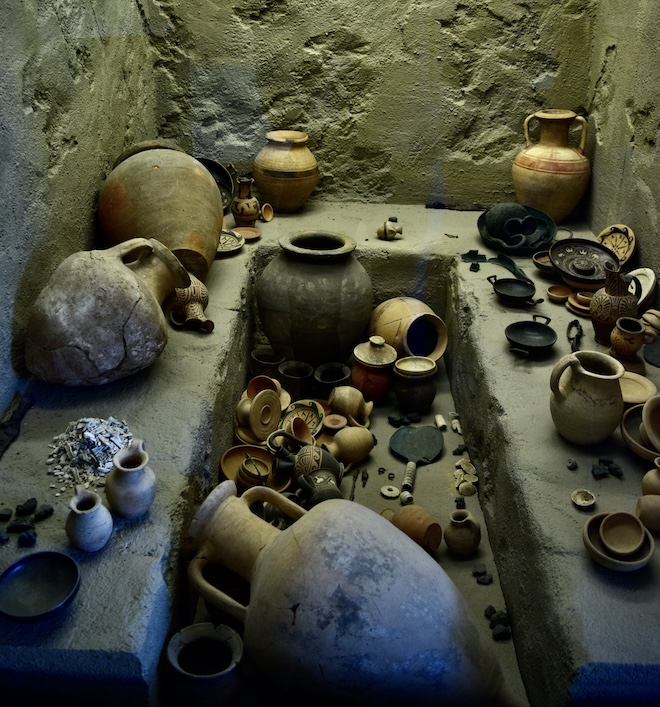
In addition to conservation, the ASI conducts archaeological excavations and explorations to uncover India’s ancient past. These excavations help historians and researchers understand early human settlements, trade routes, religious practices, and cultural evolution. Discoveries related to the Indus Valley Civilization, ancient Buddhist sites, and early medieval temples have significantly enriched historical knowledge.
Preservation and Conservation Efforts
Preserving centuries-old structures is a complex task that requires scientific methods and skilled expertise. The ASI employs conservation techniques such as structural stabilization, chemical preservation, stone cleaning, and environmental monitoring. Special attention is given to monuments facing threats from pollution, climate change, urbanization, and tourism pressure.
For example, the ASI has taken extensive measures to protect the Taj Mahal from air pollution and environmental damage by restricting industrial activity around the site and implementing regular conservation practices. Similar efforts are undertaken at other World Heritage Sites to ensure their long-term survival.
Legal Protection and Heritage Laws
The ASI also plays an important role in enforcing heritage-related legislation. The Ancient Monuments and Archaeological Sites and Remains Act, 1958, empowers the organization to regulate construction activities near protected monuments and prevent encroachments. This legal framework is vital in safeguarding archaeological sites from illegal mining, vandalism, and unauthorized development.
Through surveys and documentation, the ASI identifies and notifies sites of historical importance, bringing them under legal protection. This ensures that valuable heritage assets are not lost to neglect or exploitation.
Research, Documentation, and Education
Beyond conservation, the ASI is deeply involved in research and academic work. It publishes excavation reports, research journals, and historical studies that contribute to national and global scholarship. The organization also maintains museums at various sites, displaying artifacts such as sculptures, inscriptions, coins, and pottery uncovered during excavations.
Educational initiatives, guided tours, and awareness programs conducted by the ASI help connect the public with India’s heritage. By fostering appreciation and understanding, the organization encourages citizens to take pride in and responsibility for preserving historical sites. In today’s digital age, online knowledge platforms and interactive learning communities—such as initiatives highlighted through the 55 Club—also play a role in encouraging curiosity, general knowledge, and cultural awareness among younger audiences.
Challenges Faced by the ASI
Despite its achievements, the ASI faces numerous challenges. Rapid urban expansion, limited funding, environmental degradation, and increasing tourist footfall put immense pressure on protected sites. Additionally, balancing development needs with heritage conservation remains a complex issue in a growing nation like India.
To address these challenges, the ASI collaborates with state governments, international organizations, and local communities. Public participation and heritage awareness are increasingly recognized as essential components of successful conservation efforts.
___________________________
The Archaeological Survey of India stands as a guardian of the nation’s rich and diverse past. Through its dedicated efforts in excavation, conservation, research, and legal protection, the ASI ensures that India’s historical legacy continues to inspire and educate future generations. In preserving ancient monuments and archaeological sites, the organization not only protects physical structures but also safeguards the cultural identity and collective memory of the nation. As India moves forward in the modern world, the role of the ASI remains vital in bridging the past with the present.
_________________________
Cover Image, Top Left: prasanna_devadas, pixabay