Poland stands as one of Europe’s most spiritually rich destinations, where faith and history intertwine seamlessly. Its Catholic heritage runs deep, and its landscapes are dotted with sacred shrines, ancient monasteries, and archaeological treasures that reveal the country’s long relationship with Christianity. From relics buried beneath medieval cathedrals to pilgrimage routes still alive with devotion, Poland offers an experience that’s both sacred and historical.
The Dawn of Christianity in Poland
The roots of Catholicism in Poland trace back to the year 966, when Duke Mieszko I accepted baptism, marking the official Christianization of the Polish state. This event was not just a political move but a cultural transformation that shaped Poland’s identity for centuries to come.
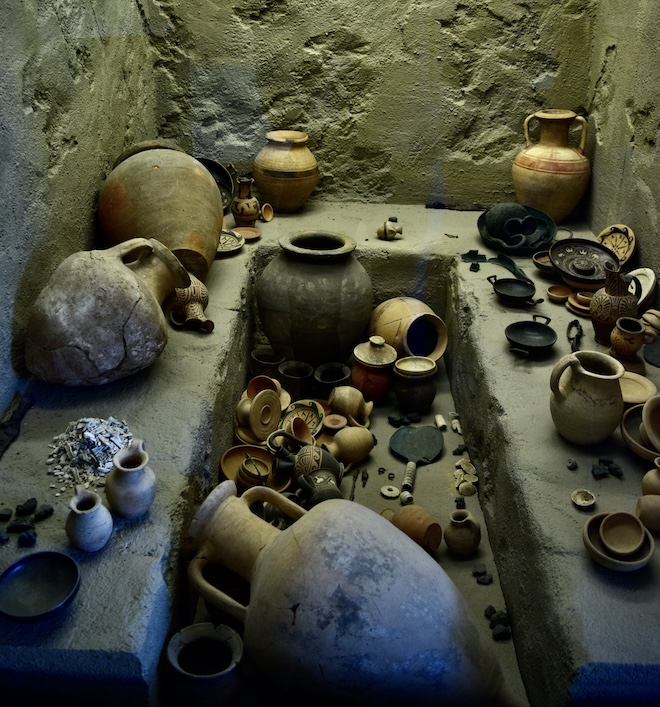
Archaeological discoveries at early Christian sites, such as those from the Piast dynasty period, reveal how Christianity spread across the Polish lands. Excavations have unearthed remnants of wooden churches, stone chapels, and small religious artifacts like crosses, medallions, and reliquaries. These findings illustrate how faith took root at both royal courts and within ordinary communities.
Archaeologists have even uncovered early Christian burials, showing how pagan customs gradually merged with new Christian rituals. Through these excavations, the tangible remnants of early faith emerge — a direct link to the people who first embraced Christianity in this part of Europe.
Poland’s Living Pilgrimage Tradition
Today, Poland remains a beacon for pilgrims from around the world. Each year, hundreds of thousands journey to holy sites, following routes that have been walked for centuries. The country’s pilgrimage culture is not confined to the past — it is a living, breathing part of Polish life.
One of the most renowned pilgrimage destinations is Jasna Góra in Częstochowa, home to the miraculous icon of the Black Madonna. Pilgrims travel on foot for days to reach this sacred sanctuary, praying and singing as they approach the monastery. The experience connects the modern pilgrim to generations before, who walked the same roads seeking hope, forgiveness, and renewal.
Another significant site is Kalwaria Zebrzydowska, a Baroque pilgrimage complex built in the 17th century. With its chapels and winding devotional paths, it mirrors the landscape of Jerusalem and serves as a spiritual retreat for thousands every year. Similarly, Góra Świętej Anny (St. Anne’s Mountain) in Upper Silesia remains an enduring center of faith, where processions, festivals, and devotions have continued since medieval times.
Where Archaeology Meets Pilgrimage
What makes Poland exceptional is the way archaeology and faith coexist. Beneath the cobblestones of monasteries and under cathedral floors lie traces of the earliest Christian structures. Archaeological studies of these sites not only preserve historical heritage but also deepen understanding of religious traditions.
- Relics and Religious Artifacts
Excavations have revealed reliquaries, thuribles, and cross pendants — sacred objects once used in worship. These finds provide insight into how Catholicism was practiced in medieval Poland and how local craftsmanship merged with imported Christian symbols. - Burial Practices and Cultural Transition
Early Christian cemeteries show the gradual shift from pagan burial customs to distinctly Christian rituals. Grave goods became simpler, with more emphasis on faith symbols such as crosses and rosaries. Archaeologists interpret this transition as evidence of the deepening Christian influence on daily life. - Pilgrim Tokens and Badges
Pilgrimage-related artifacts like metal badges, medallions, and carved crosses have been unearthed across Poland. These were once carried by medieval pilgrims as tokens of faith and proof of their journeys to holy sites. Each artifact tells a personal story of devotion and endurance.
Key Pilgrimage Sites with Archaeological Significance
- Ostrów Lednicki – Often referred to as the cradle of Polish Christianity, this island holds ruins of an early royal palace and chapel believed to have witnessed the baptism of Mieszko I. Archaeological finds here — from baptismal basins to fragments of liturgical tools — make it one of the most important religious heritage sites in the country.
- Jasna Góra, Częstochowa – The spiritual heart of Poland and home of the Black Madonna. Archaeological work around the monastery has uncovered centuries-old foundations, revealing how the sanctuary evolved through wars and rebuilding efforts.
- Kalwaria Zebrzydowska – A UNESCO-listed pilgrimage park where archaeology meets architecture. The chapels, hill paths, and preserved artifacts from the 17th century help scholars understand the artistic and devotional trends of Baroque Poland.
- Góra Świętej Anny – A place where faith, history, and geology meet. Archaeological remains from earlier shrines and hermit dwellings surround the active pilgrimage center, connecting the sacred past with the present-day worship experience.
Spiritual Experience and Cultural Identity
Pilgrimage in Poland is more than religious travel — it’s an exploration of identity. The relics, ruins, and sacred artifacts serve as tangible symbols of a faith that has endured through centuries of upheaval. Each site carries stories of resilience — from invasions and partitions to wars and political transformations — yet the devotion remains constant.
For many visitors, walking in the footsteps of ancient pilgrims or standing before relics discovered by archaeologists brings a sense of timeless connection. The spiritual experience becomes richer when one realizes that beneath every chapel floor or monastery wall, layers of history lie quietly preserved.
Faith, History, and Heritage Tourism
Beyond spiritual value, these pilgrimage-archaeology destinations contribute to cultural preservation and tourism. Museums and heritage centers across Poland display excavated artifacts, offering educational insights into the country’s religious evolution. Tourists and scholars alike are drawn to the harmony between sacred devotion and historical discovery.
Local communities benefit too, as heritage tourism promotes preservation, sustains small businesses, and strengthens cultural pride. For those who seek both faith and learning, Poland’s blend of archaeology and pilgrimage offers a profound journey through time.
Planning Your Journey
Travelers can easily blend spiritual exploration with historical curiosity. Begin your route in central or southern Poland, where most major pilgrimage sites are located. Many tours combine walking pilgrimages with guided visits to archaeological museums and monasteries.
For an organized and spiritually fulfilling route that connects Poland’s most revered Catholic destinations, visit Catholic pilgrimage of Poland. It’s an excellent way to experience both the sacred and the historical dimensions of this remarkable country.
________________________________
Poland’s sacred landscape tells a story that transcends time — one of faith, endurance, and discovery. Through its cathedrals, shrines, and archaeological sites, we glimpse not only the devotion of generations past but also the living heart of a nation built upon faith.
For the pilgrim, it is a journey of the soul. For the historian, it is a journey through centuries. And for those who walk between both worlds, Poland’s sacred paths and ancient ruins offer a profound reminder: faith leaves traces, both in hearts and in the earth itself.