The very surface of New York City—the sidewalks we tread upon daily—is but a thin veil over centuries, even millennia, of buried stories. Beneath concrete and asphalt, archaeologists frequently uncover a trove of artifacts—Native American tools, colonial-era pottery, ship remnants, fragments of African American communities—all waiting to remind us of the city’s layered past. Let’s explore how these finds emerge during construction, why public path design (sidewalk vs walkway) matters, and how this all ties into broader themes—even if it means weaving in a phrase like exterior remodeling contractor to match design and preservation efforts.
1. When Construction Meets Archaeology
From sidewalks to seawalls, nearly any excavation has the potential to intersect with artifacts. A dramatic example occurred during a Bronx waterfront enhancement—the creation of a walking path and dog run—when construction workers unearthed over 100 Native American artifacts, ranging from pottery shards to stone tools, some dating back to 200 AD. The discovery halted work, prompting archaeological investigations and even proposals to redesign the project to avoid further disturbance.
This kind of scenario isn’t rare. Whenever ground is broken—whether for roads, rail lines, or even park trails—archaeological protocols often kick in to evaluate the potential for disrupting historic sites, especially in a city as constantly rebuilt as New York.
2. A Glimpse Below the Surface: Discoveries Across NYC
Stadt Huys Site: Echoes from New Amsterdam
One of NYC’s most consequential digs occurred at the Stadt Huys site, the location of the original Dutch city hall built in 1642. Excavations uncovered foundations of both the Stadt Huys and the nearby King’s House tavern, becoming the city’s first major urban archaeology project and setting precedents for future investigations. Today, parts of these remnants remain visible through transparent sidewalk panels and public plaques—a direct fusion of urban design and preservation.
South Street Seaport & Burling Slip
At the South Street Seaport area, landfills extending Manhattan into the East River over centuries offer a rich archaeological layer. Digs at Burling Slip revealed discarded ceramics, shoes, food remains—including animal bones—plus structural remnants of wooden wharves, some carefully dated to understand the city’s growth and trade networks.
Stadt Huys Site Finds: Everyday Colonial Life
Excavations at Stadt Huys also uncovered redware pitchers and imported glass bottles once used by colonial New Yorkers, as well as tea-related artifacts—a green-glazed spout perhaps broken during a loyalist tea party.
Seneca Village: Rediscovering Lost Lives
Long before Central Park existed, Seneca Village was a thriving 19th-century African American community. Excavations unearthed foundations, cellars, a toothbrush bone-handle, a child’s shoe sole, and more—numbering more than 250 bags of artifacts. Today, over 300 of these items are publicly accessible via online exhibits and signage within the park.
3. Sidewalk vs Walkway: Design Influence on Excavation
Understanding the physical and regulatory distinctions between sidewalks and walkways helps clarify how path designs influence archaeological practice:
- Sidewalks are paved pedestrian paths adjacent to roads, typically rigid and built over utilities.
- Walkways (or trails) often traverse parks or natural corridors away from roads, sometimes with more flexible, permeable surfaces.
These differences affect both when and how excavation reveals artifacts:
- Extent of Disturbance: Sidewalk installation—especially deep foundations—can penetrate multiple layers, increasing the likelihood of exposing buried artifacts. Conversely, walking trails or permeable walkways built atop existing surfaces may leave deeper layers undisturbed.
- Regulatory Triggers: Larger infrastructure changes—like sidewalk redesigns, utility upgrades, or curb expansions—often require environmental impact review, where archaeological assessments become mandatory. In contrast, trail additions may trigger fewer overlapping regulations depending on local jurisdiction.
- Exposure for Study: When sidewalks are removed and replaced—as when upgrading for ADA access—layers are temporarily exposed, offering windows for archaeologists to observe and document finds.
Thus, whether a public right-of-way is a sidewalk or a walkway can influence both what gets uncovered and how it’s handled by urban explorers in hard hats—sometimes called “sandhogs”—who build the tunnels and foundations beneath our feet.
4. The Role of Archaeology in Urban Renewal & Design
Archaeological discoveries in urban contexts face a unique tension: progress versus preservation. The Stadt Huys dig, for example, not only expanded historic understanding but prompted the city to hire its first archaeologist in 1980—a legacy of preservation stemming from infrastructure development.
Likewise, the Burling Slip findings led to preservation-in-place under a playground, with artifact curation handled by the city’s repository. The South Street Seaport District’s historic fabric—cobbled streets and preserved buildings—serves as a living exhibit of the intertwining of archaeology and urban design.
5. From History to Home: Blending Archaeology and Practical Work
New York’s buried treasures highlight the importance—and the challenges—of balancing construction with preservation. When you need to upgrade sidewalks, pathways, or outdoor spaces, it’s vital to be mindful of what lies beneath.
That’s why even when hiring an exterior remodeling contractor for a sidewalk replacement, a garden path, or curb enhancements, awareness of potential archaeological sensitivities matters. If deep excavation is needed, especially in areas with known historical layering like Lower Manhattan or Central Park vicinity, contractors and property owners may need to coordinate with city archaeologists or include pre-excavation surveys to avoid inadvertently erasing centuries of history.
____________________________

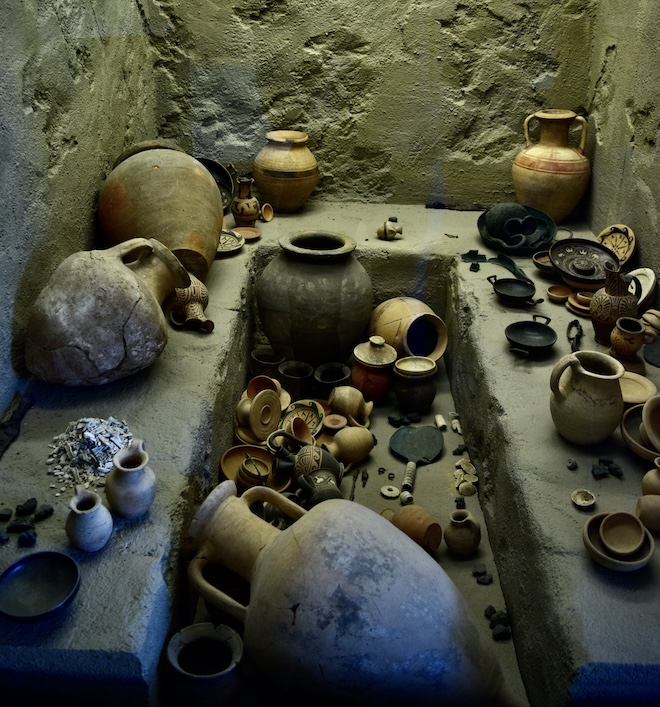
Ceramic ware, here pieced together, found in fragments beneath the surface in New York city.
____________________________
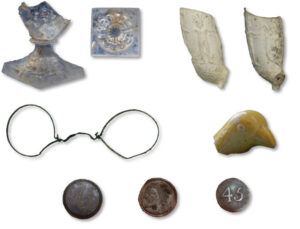
Artifacts unearthed at the site of a now hidden remnant of a seaport beneath New York city.
____________________________

Looking aft southward over the site with the ships staunch bow coming at you. Photo by Carl Foster, courtesy Landmarks Preservation Comission Sea History Summer 1983, p.-21-781×1024
____________________________
In Summary
New York City’s pace of change has paradoxically created an unparalleled archaeological record—layering Native American tools, colonial artifacts, and African American settlement remnants beneath every sidewalk and walkway.
- Construction disruptions, whether for sidewalks, trails, or waterfront access, often lead to archaeological discoveries.
- Sidewalk vs walkway design influences how ground is disturbed—and whether artifacts remain uncovered or are exposed for study.
- Landmark digs—from Stadt Huys to Burling Slip to Seneca Village—underscore archaeology’s power to reshape our understanding of the city’s history.
- And even contemporary urban design must consider this legacy—whether through preservation efforts, public displays, or informed planning.
So, next time you’re walking down a New York City sidewalk—or thinking of building or renovating one—take a moment to imagine what might lay beneath: pottery shards, timber pilings, a long-forgotten cellar, or even a toothbrush handle from a 19th-century family. The city’s story is quite literally under our feet.