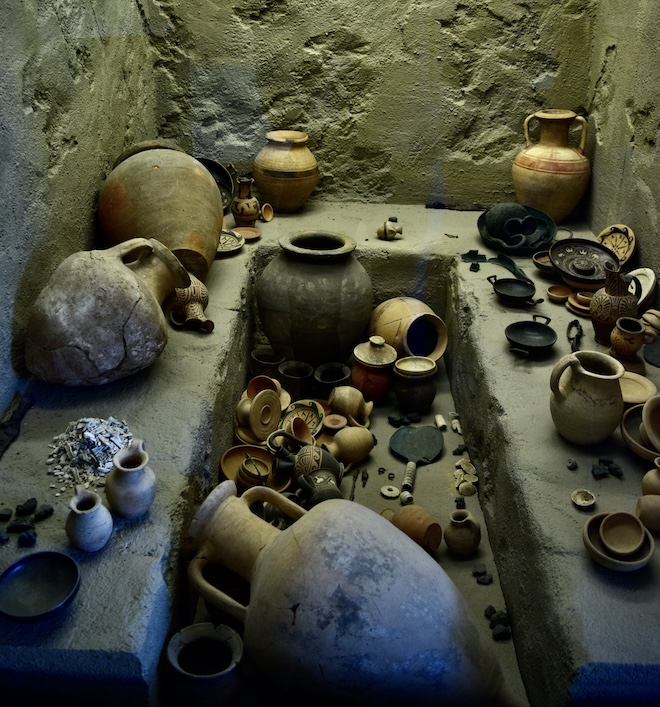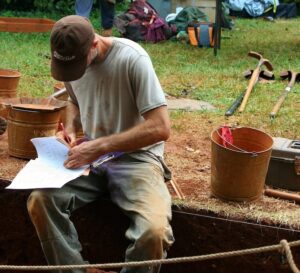
When students examine the ancient tools used by early humans, they’re not just looking at artifacts; they’re uncovering layers of our shared history. This exploration into human origins and cultural heritage can spark critical conversations about identity and community. By engaging with the past, you can help students connect these lessons to modern societal issues, yet many educators overlook this essential link. What if you could transform your classroom into a space where these connections thrive?
The Importance of Archaeology
Archaeology is often viewed as a window into our past, revealing the intricate tapestry of human history that shapes our present. By studying artifacts, structures, and cultural remains, you gain valuable insights into the behaviors, beliefs, and interactions of past societies. This discipline goes beyond mere excavation; it’s about interpreting data to understand how civilizations evolved, adapted, and influenced one another over time.
In the classroom, teaching archaeology fosters critical thinking and analytical skills. When you engage students with hands-on activities like mock digs or artifact analysis, you not only spark their curiosity but also illustrate the complexities of historical narratives. Students learn to appreciate the context of discoveries, understanding that each artifact tells a story about human resilience and innovation.
Moreover, archaeology emphasizes the significance of cultural heritage, highlighting the diverse experiences that contribute to our collective identity. By acknowledging the past, you help students recognize patterns in societal development and understand contemporary issues, such as cultural preservation and ethical considerations in research.
Ultimately, archaeology equips learners with the tools to analyze their world, encouraging them to become informed, empathetic global citizens.
Understanding Human Origins
Exploring human origins reveals the fascinating journey of our species from primitive ancestors to the complex societies we inhabit today. By examining archaeological evidence, you can trace the evolutionary path that led to modern Homo sapiens.
Fossils, tools, and artifacts provide concrete data about how early humans adapted to their environments, developed language, and formed social structures.
When you investigate this topic, you’ll discover how climate changes and geographical shifts influenced human migration and settlement patterns. For instance, the discovery of fire greatly impacted early human survival, enabling cooking and protection.
You’ll also learn about the significance of symbolic thought, as seen in cave art and burial practices, which reflect the cognitive and cultural advancements of our ancestors.
Cultural Heritage in Education
Integrating cultural heritage into education enriches students’ understanding of their own identities and the diverse world around them. By exploring the histories, traditions, and contributions of various cultures, you help students appreciate the richness of human experience. This approach fosters critical thinking, encouraging students to analyze how cultural narratives shape societal values and personal beliefs.
When you incorporate cultural heritage into your lessons, you’re not just teaching history; you’re creating a dialogue about how the past influences contemporary issues. Students learn to recognize the complexities of cultural interactions and the impact of globalization on local traditions. This understanding is essential in cultivating empathy and respect for diverse perspectives.
Moreover, integrating cultural heritage can empower students to connect with their own backgrounds. By valuing their unique histories, you encourage them to take pride in their identities while appreciating others. This dual recognition can serve as a foundation for collaborative learning, where students engage in discussions that challenge stereotypes and promote inclusivity.
Ultimately, embedding cultural heritage in education equips students with the tools needed to navigate an increasingly interconnected world, making them more informed, compassionate, and culturally aware citizens.
Engaging Students Through Artifacts
Artifacts serve as tangible connections to the past, sparking curiosity and engagement among students. When you introduce objects—like pottery shards, tools, or jewelry—students can almost feel history in their hands. These items tell stories of daily life, social norms, and technological advancements, making abstract concepts more relatable and concrete.
Integrating artifacts into your lessons can transform the classroom into a vibrant learning whether in traditional settings or an online school K-12, by making historical concepts more interactive and accessible to students. By examining these objects, students not only gain insights into different cultures but also start to appreciate the complexity of human experiences. They’ll ask questions about the materials used, the methods of production, and the societal context surrounding each artifact.
You can enhance this engagement by incorporating hands-on activities where students analyze replicas or even create their own artifacts. This kind of experiential learning encourages them to think critically about the significance of these items in understanding human history.
Additionally, discussing the provenance and ethical considerations surrounding artifacts can deepen their appreciation for cultural heritage. In this way, artifacts become more than mere objects; they evolve into powerful tools for fostering a connection to our shared past.
Fostering Critical Thinking Skills
Encouraging students to analyze artifacts critically can greatly enhance their critical thinking skills. When you guide them to question and evaluate the significance of each item, they learn to think beyond surface-level interpretations. This process not only deepens their understanding of history but also sharpens their analytical abilities.
Here are some key elements to focus on:
- Observation: Teach students to meticulously observe details, like material composition and wear patterns.
- Contextualization: Help them understand the cultural and historical context in which the artifact existed.
- Comparative Analysis: Encourage them to compare artifacts from different cultures or periods, fostering connections and contrasts.
- Hypothesis Formation: Motivate students to formulate hypotheses about the artifact’s purpose and significance, leading to deeper inquiry.
Connecting With Contemporary Issues
Connecting archaeology with contemporary issues invites students to see the relevance of historical studies in today’s world. By examining ancient civilizations, you can help students understand how past societies dealt with challenges similar to those we face now, such as climate change, conflict, and resource management.
For instance, exploring how the Maya adapted to environmental shifts can spark discussions about modern sustainability practices.
As you guide your students through these connections, encourage them to analyze how archaeological findings inform current social debates. This might include issues of cultural heritage, identity, and repatriation of artifacts.
By understanding the complexities surrounding these topics, students can appreciate the ongoing dialogue between past and present.
You can also highlight how archaeology uncovers forgotten voices, particularly marginalized communities. By engaging with these narratives, students develop empathy and a broader perspective on social justice issues today.
Ultimately, linking archaeology to contemporary issues not only enriches students’ understanding but also empowers them to think critically about their role in society.
This approach fosters a sense of responsibility and inspires action, making history not just a lesson of the past, but a guide for the future.
____________________________
In weaving archaeology into the classroom fabric, you’re not just imparting knowledge; you’re nurturing a profound appreciation for the intricate tapestry of human existence. By guiding students through the rich narratives of our ancestors, you elevate their understanding of cultural heritage and ignite critical thinking. This journey through time empowers them to engage thoughtfully with today’s world, transforming mere learners into enlightened custodians of the past, ready to navigate the complexities of the future with empathy and insight.
__________________________
Cover Image, Top Left: credit: JamesDeMers, Pixabay