
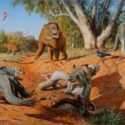
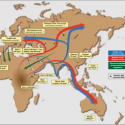
Humans, not climate change, wiped out Australian megafauna
Monash University, CU-Boulder researchers show steep decline in megafauna shortly after 45,000 years ago.

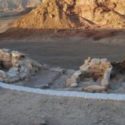
Iron Age structures discovered at Tel Aviv University excavation
Intact defensive structure, livestock pens provide insight into complexity of Iron Age copper production.
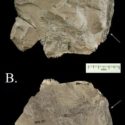
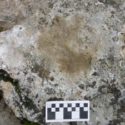
Discovery adds rock collecting to Neanderthal’s repertoire
Scientists examine interesting limestone rock found at Croatian Neanderthal site.

New app allows users to see ancient Jerusalem virtually
Archaeologically accurate application makes Jerusalem as it existed 2,000 years ago come alive for viewers.

New study finds evolution of brain and tooth size were not linked in humans
Research challenges prevalent views that brain enlargement and dental reduction co-evolved.

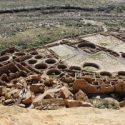
Ancient Chaco Canyon population likely relied on imported food
Corn may have come from the Chuska Slope settlement some 50 miles away.
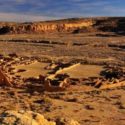
Computer models find ancient solutions to modern problems
Computational science and archaeology come together to develop solutions to problems of climate change.



Raw foodies: Europe’s earliest humans did not use fire
New research conducted by scientists at the University of York reveals for the first time that Europe's earliest humans did not use fire for cooking, but had a balanced...
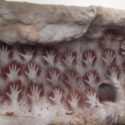
Who made the ancient rock art?
Researchers find a way to identify the sex of the artists who created ancient rock art.