Modern buildings often seem like an integral part of urban life, yet few people stop to consider what occupied these sites in the past. Behind bright signage, glass facades, and expansive parking lots, there sometimes lies the history of ancient settlements, industrial facilities, railway stations, or entire residential neighborhoods. Some Canadian structures have been completely demolished, others repurposed, while certain sites still bear traces of events that today’s visitors might not even suspect. Exploring these locations reveals how cities evolve, what vanishes along with their history, and what secrets might lie hidden beneath familiar shopping malls and casinos.
Boitanio Mall
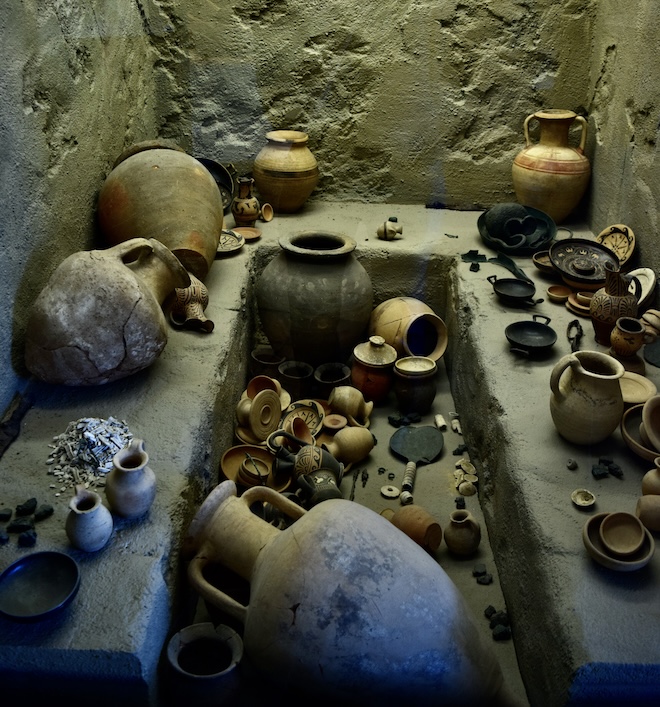
At first glance, Boitanio Mall looks like an ordinary shopping centre in Williams Lake, British Columbia. But its history goes back much further than the shops and parking lots we see today. When construction began in 1974, workers uncovered evidence of an ancient Indigenous settlement, including traditional pit houses, storage pits and burial sites. The discovery took a disturbing turn when approximately 13 human skeletons were unearthed. According to the Williams Lake First Nation, the remains were loaded onto a truck and dumped over an embankment without the community’s involvement.
Nearly 50 years later, the site made headlines again. In October 2022, renovation work brought archaeologists back to the area, this time with the direct involvement of the Williams Lake First Nation. Among the discoveries were a stone projectile point, fragments left over from making stone tools, and evidence of an ancient cooking hearth. These finds offered another glimpse into how people lived and used the land long before the modern city existed. The excavation was part of a redevelopment project that included 82 new rental apartments and 164 parking spaces.
Casino Regina
Long before it became a casino, the building now known as Casino Regina served as one of Regina’s most important railway stations. Built in 1911, Union Station connected the city with other parts of Canada and welcomed thousands of passengers, travellers and new settlers over the decades. For nearly 80 years, it played an important role in the city’s development, serving both the Canadian Pacific Railway and the Canadian Northern Railway. However, passenger rail services eventually came to an end on January 16, 1990, leaving the historic building without its original purpose.
In 1995, the building underwent a major renovation before reopening as Casino Regina on January 26, 1996. What makes this transformation particularly interesting is that many of the station’s original architectural features were preserved, including its impressive Art Deco design and historic interior details. Visitors can still notice elements that reflect its railway past, creating an unusual contrast between its former identity and its modern entertainment purpose. Today, the building offers a completely different experience, combining its historic atmosphere with contemporary gaming and leisure facilities. For visitors interested in modern casino entertainment, Casinos Analyzer is available, which provides different casino reviews and info about https://casinosanalyzer.ca/free-spins-no-deposit/no-wagering-bonuses.
Scotia Square
Today, Scotia Square is a familiar shopping and business complex in downtown Halifax, Nova Scotia. However, before it became a commercial centre, the area was home to an entire neighbourhood filled with small houses, apartment buildings, local shops and family-run businesses. Everything began to change in 1958, when the city launched a major urban redevelopment programme aimed at modernising the downtown area.
More than seven hectares of land were gradually cleared, and streets that had existed for generations began disappearing from the city map. What was presented as an opportunity to create a modern Halifax would eventually change the lives of thousands of people who once called this neighbourhood home. Here are some of the most significant changes that took place during the redevelopment:
- 1958: The city began acquiring properties and demolishing buildings.
- 1961–1962: Large sections of the neighbourhood were cleared, leaving entire blocks almost unrecognisable.
- 1967: Further demolitions removed the remaining buildings along parts of Barrington Street.
- 1969: Scotia Square and Duke Tower were completed, transforming the area into a modern commercial district.
The redevelopment area included several streets, such as Jacob, Starr, Hurd, Poplar and Buckingham, where everyday life revolved around local businesses and close-knit communities. Among the places that disappeared were hotels, barber shops, liquor stores, bowling alleys and small family-owned shops.
Many low-income families were forced to leave their homes, while numerous local businesses had to relocate or close permanently. Today, thousands of people pass through Scotia Square without realising that the shopping centre stands where a once lively neighbourhood existed.
St. Eugene Golf Resort
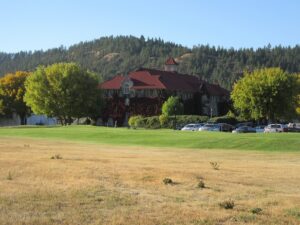
Located near Cranbrook, British Columbia, St. Eugene Golf Resort is a unique destination where a difficult past meets modern tourism. According to Wikipedia, the building served as St. Eugene Mission Residential School between 1912 and 1970. It is an institution where Indigenous children were forcibly separated from their families and communities. After the school closed, the property remained a painful reminder of this chapter in Canadian history.
Rather than allowing the building to disappear, the Ktunaxa Nation became involved in transforming the site into a place that could reflect and celebrate its own cultural heritage. Today, the former school has been given a completely different purpose, welcoming visitors as a golf and resort destination.
One of the resort’s main attractions is its 18-hole championship golf course, surrounded by the spectacular scenery of the Rocky Mountains and the Purcell Mountains. The course offers a combination of challenging fairways, natural landscapes and mountain views, making it an appealing destination for both experienced golfers and casual visitors. Guests can also enjoy accommodation, restaurants, spa facilities and other recreational activities during their stay. The property is also home to Casino of the Rockies, adding another entertainment option to the resort experience.
Polo Park
Polo Park is one of the most well-known shopping centers in Winnipeg, Manitoba, but the site once served a completely different purpose. It was formerly the Polo Park Race Track, which was a popular venue for horse racing as early as the beginning of the 20th century. Thousands of Canadian spectators would gather there to watch the races and place bets on their favorites. Over time, urban development and the changing needs of the city’s residents led to the site being repurposed for a new commercial space, eventually transforming it into a shopping complex. Key features linking the former race track to the modern-day shopping center include:
- Large-scale grandstands: The old race track could accommodate approximately 4,500 spectators.
- Horse racing: The site was renowned for races where visitors could place wagers.
- Change of purpose: A large shopping complex replaced the race track.
- Modern infrastructure: Today, the site houses hundreds of shops, restaurants, and other establishments.
- Enduring name: The name “Polo Park” has been retained as a reminder of the area’s history.
However, the spirit of excitement and the desire for entertainment have not disappeared, even though the atmosphere of the location has shifted dramatically: instead of horse racing, modern cities now offer shopping centers, gaming venues, and casinos.
Image, Top: St. Eurgene Golf Resort, Christopher Eugene Lee, Public Domain, Wikimedia Commons
____________________________
Advertisement