Run a gloved finger along the top of a picture frame in an old house that’s been closed for a single winter, and you’ll lift a grey film that wasn’t there in the autumn. Conservators who study that film find a mix of skin cells, textile fibres, soil carried in on shoes, soot, pollen, and tiny fragments of the building itself. It looks harmless. Left in place, it isn’t.
Dust is one of the most persistent threats to historic interiors and the objects inside them. It scratches surfaces, holds moisture against them, and feeds the insects that eat wool, silk, and feathers. That makes cleaning far more than a chore. It’s a conservation practice with a long history, stretching from the housemaids of grand country houses to the preventive conservation teams in today’s museums and the automated machines now working in many homes. A modern robot vacuum and mop that runs on a schedule is one example of how the old principle of little-and-often cleaning has been handed to technology.
In this article, you’ll learn why dust matters to historians and conservators, how household cleaning developed over the past few centuries, what historic housekeeping got right, and where today’s automated cleaners help or fall short when artefacts and old floors are involved.
Why Dust Is a Conservation Problem
To most people, dust is a cosmetic nuisance. To a conservator, it is an active agent of decay. Its effects build slowly, which is exactly why they’re easy to ignore until the damage is done.
Abrasion and Soiling
Many dust particles are hard. Grains of quartz from soil and grit from paved streets act like fine sandpaper when they’re dragged across a surface. Every time someone wipes a dusty table with a dry cloth, or visitors walk grit across a historic floorboard, those particles scratch the finish. Over decades, the result is the dull, worn look you see on unprotected furniture and on the treads of old staircases.
Fine dust also becomes harder to remove as it ages. Greasy soot and airborne oils bind particles to textiles and paint, and what could once have been brushed away may eventually need specialist cleaning with solvents or careful mechanical removal.
Moisture, Chemistry, and Pests
Dust attracts and holds water. A dusty surface in a damp room stays wetter for longer, which encourages mould and corrosion on metals. Some particles, such as soot and salts, are chemically active and can stain or etch what they settle on.
The biggest worry for many collections, though, is pests. Clothes moths and carpet beetles thrive on the protein-rich fibres and skin flakes that make up household dust. A neglected corner under a sofa or behind a display case can become a nursery for larvae that later move on to tapestries, rugs, costumes, and natural history specimens. Cleaning those hidden spots is one of the simplest forms of pest control available.
How Historic Households Fought Dirt
Long before conservation science gave dust a technical vocabulary, households understood that dirt ruined valuable things. Domestic manuals from the eighteenth and nineteenth centuries are full of routines designed to protect furnishings that were expensive to replace.
The Rhythm of the Servants’ Day
In large houses, cleaning followed a strict daily, weekly, and seasonal timetable. Housemaids rose early to clean the principal rooms before the family came downstairs. Grates were cleared of ash, hearths were blackleaded, and floors were swept. Carpets were often sprinkled with damp tea leaves before sweeping, a clever trick that helped trap fine dust rather than throwing it into the air.
Furniture was covered with dust sheets when rooms weren’t in use, and window blinds were drawn to protect fabrics from sunlight. Once a year, many houses carried out a major spring clean, when carpets were taken outside and beaten and curtains were taken down for brushing. Seen through a modern lens, these habits were early preventive conservation: limit exposure, clean regularly, and handle valuable objects as little as possible.
The Anthropology of Clean Floors
Cleaning is not just practical; it is cultural. Anthropologists have long noted that ideas about dirt say a great deal about how a society draws boundaries between inside and outside, private and public, ordered and disordered. The threshold of a home is often where those boundaries are most visible. Shoes left at the door, doormats, and freshly scrubbed front steps all mark the line where outside dirt is meant to stop.
In many Canadian homes, removing shoes at the door is a widespread habit, partly shaped by snowy, salty winters and partly by the customs of immigrant communities from across Asia, Eastern Europe, and elsewhere. For historians of material culture, these everyday practices are evidence in their own right, showing how climate, migration, and domestic labour shape the way people live with their possessions.
From Carpet Sweepers to Automated Cleaners
Domestic cleaning technology changed quickly from the late nineteenth century onward. Mechanical carpet sweepers with rotating brushes became popular in the 1870s and 1880s, offering a way to lift dirt without raising clouds of dust. In 1901, the British engineer Hubert Cecil Booth patented a powered suction cleaner so large that it was parked outside a building on a horse-drawn cart, with long hoses fed through the windows.
Within a few decades, smaller electric vacuum cleaners had entered middle-class homes, changing both housework and the people who did it. Historians of gender and labour have shown how these machines were marketed as replacements for domestic servants and, later, as tools that would free homemakers’ time, even as expectations of cleanliness rose to match.
The first commercial robotic vacuum cleaners appeared in the early 2000s. Early models wandered somewhat randomly and often got stuck. Later generations added mapping sensors, scheduled runs, and mopping functions, and some now empty their own dust bins at a docking station. In historical terms, they extend a familiar pattern: each new cleaning tool takes over a repetitive task that once required human labour.
What Modern Conservation Teaches About Cleaning
Museum and historic house conservators have refined the old housekeeping wisdom into a set of clear principles. If you live with antiques, family heirlooms, or a private collection, they apply to you as well.
First, prevention beats cure. Doormats, controlled visitor routes, closed display cases, and good seals on windows all reduce how much dust gets inside. Second, regular light cleaning is safer than occasional heavy cleaning, because thin layers of dust lift easily while thick, aged layers demand more aggressive treatment. Third, the method must match the material. Low suction through a screen for textiles, soft brushes for gilding and carved wood, and minimal water anywhere near porous stone, unsealed timber, or fragile finishes.
Water deserves special caution. Wet mopping can push moisture into the joints of historic floorboards, causing swelling and staining, and it can draw soluble salts to the surface of old stone and brick, where they crystallize and slowly break the surface apart. Conservation cleaning typically uses the least water possible and allows surfaces to dry quickly.
A Simple Routine for Caring for Historic Interiors
You don’t need a conservation laboratory to look after old things well. A modest routine borrowed from historic house practice goes a long way. Keep a good mat at every entrance and ask visitors to wipe their feet or remove their shoes. Dust shelves and frames with a soft, clean brush, guiding particles into the nozzle of a vacuum rather than spreading them with a dry cloth. Check under furniture and inside cupboards a few times a year for moth damage or larvae casings. Close blinds in sunny rooms, especially where textiles and works on paper are displayed. Finally, keep a simple note of what you clean and when, just as a housekeeper’s book once did, so that small changes stand out before they become serious problems.
Where Automated Cleaners Fit, and Where They Don’t
Automated cleaners can support these principles in the right setting. Because they run frequently and remove dust before it builds up, they suit the little-and-often approach well. Scheduled runs also reach under furniture and along skirting boards, the hidden places where pests like to settle. In a home with modern, sealed floors that also holds valuable objects, that routine collection of dust and fibres reduces the load that would otherwise settle on furniture, books, and textiles.
The limitations are just as real, and you should weigh them carefully:
Historic and fragile floors. Unsealed timber, old linoleum, encaustic tiles, and limestone flags may not tolerate wet mopping at all. On these surfaces, switch mopping off and consider whether even routine vacuuming is appropriate.
Rugs and textiles. Rotating brushes can catch fringes, pull loose threads, and wear the pile of antique or handwoven rugs. Many conservators recommend keeping automated machines off historic carpets entirely, and using virtual no-go zones where the device allows them.
Bumps and vibration. A machine that nudges a plinth, a pedestal, or a low display table can topple ceramics or glass. Move vulnerable objects away from floor level or block access to those areas.
Professional settings. Museums and heritage properties have their own cleaning protocols, often written by conservators for specific rooms and materials. A domestic cleaner should never be introduced into a collection space without that team’s approval.
Final Thoughts
Dust may be the least dramatic threat to heritage, but its effects are steady and cumulative. Historic housekeepers understood this centuries ago, which is why their routines emphasized regular, gentle cleaning, dust sheets, and closed blinds. Modern conservation has given those habits a scientific basis, and today’s automated cleaners have taken over some of the repetitive work.
Whether you care for a museum gallery, a heritage home, or a few cherished family pieces, the lesson is the same. Clean little and often, match the method to the material, keep water away from what it can harm, and remember that the oldest cleaning advice is often still the best. Used with that judgement, new technology can help keep the past in good condition for the people who come after us.
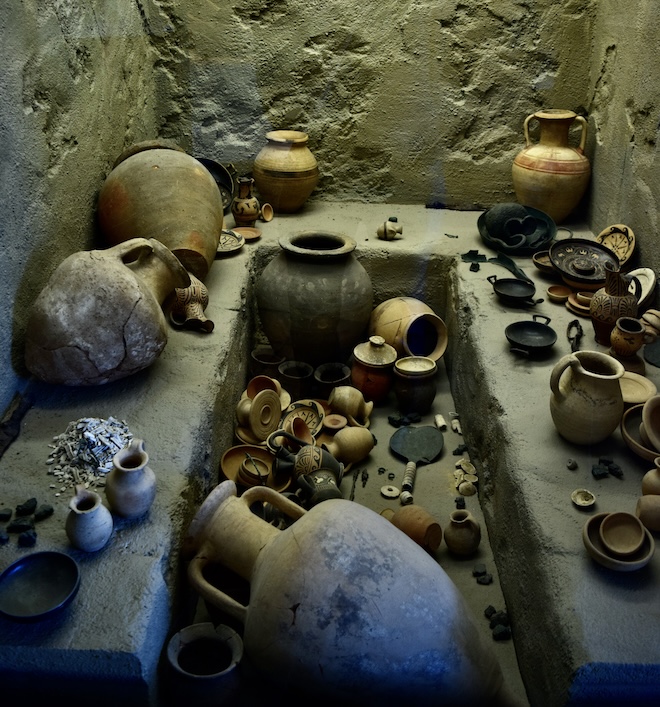
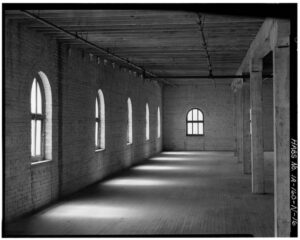
Image, Top: Public Domain, Wikimedia Commons
___________________________
Advertisement