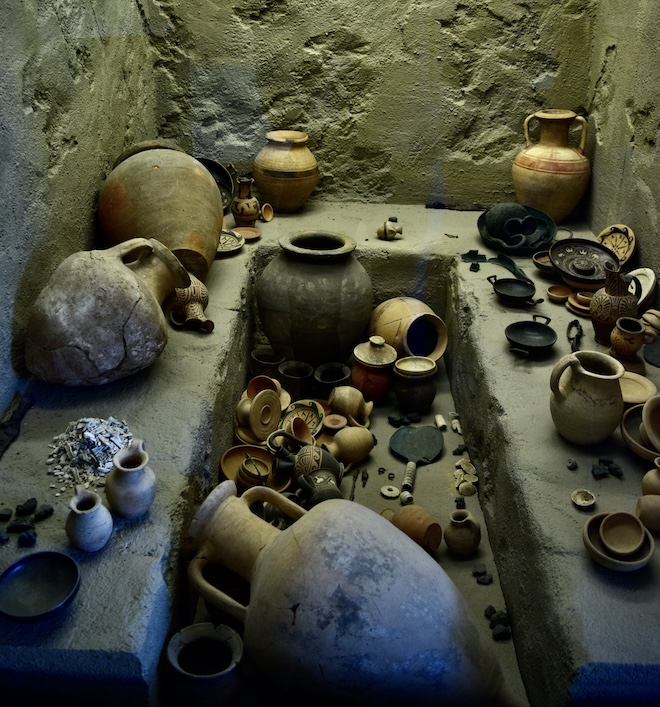
Unearthing the Hidden Layers of Manhattan
Manhattan is one of the most iconic places on Earth—an island of skyscrapers, bustling streets, and constant reinvention. But beneath the modern city lies a lesser-known world: an archaeological record that tells the story of centuries of human habitation, transformation, and resilience. Every construction project, subway extension, or redevelopment in New York City has the potential to unearth remnants of the past—artifacts, old foundations, and even forgotten streets that once defined early Manhattan.
From colonial taverns buried under Wall Street to 18th-century wells and brick cisterns found in lower Manhattan, the city’s underground is a time capsule. These discoveries remind us that every layer of soil contains stories of the people who once lived, worked, and built this great city. Yet, as we continue to build upward and dig deeper, a new kind of preservation becomes essential—not just of artifacts but also of the very foundations that hold the modern city in place.
This is where the connection between archaeology and commercial foundation waterproofing becomes surprisingly relevant.
Discovering the City Beneath the City
New York’s archaeological landscape has been revealed gradually through both accident and intention. When modern engineers begin excavation for new high-rise buildings or infrastructure projects, archaeologists often follow close behind. The city’s Landmarks Preservation Commission oversees these efforts to ensure that valuable pieces of history are not lost forever.
Some of the most fascinating discoveries include:
- The Stadt Huys Site (1979): Excavations at Pearl Street uncovered the foundations of New York’s first city hall from the 17th century.
- African Burial Ground (1991): Discovered during construction of a federal office building, this site revealed the remains of over 400 enslaved and free Africans, now preserved as a national monument.
- Five Points Neighborhood Artifacts: Found during redevelopment of the area, these items gave insight into the lives of 19th-century immigrants who lived in one of America’s most infamous neighborhoods.
- Old Collect Pond: Once a vital freshwater source, this pond was filled in during the early 1800s—only for modern excavations to rediscover its waterlogged remains.
Each of these findings changed how we understand Manhattan’s evolution—from a small Dutch trading post to a global metropolis. But they also raise practical questions: How do you protect the fragile remains of the past when building for the future?
The Challenge Beneath the Surface
Excavation in Manhattan is never straightforward. Beneath the city’s pavement lies a complex network of old sewers, foundations, and infrastructure built over centuries. Add to that the island’s naturally high water table and the encroachment of the Hudson and East Rivers, and you have a serious engineering challenge.
Moisture intrusion is a constant threat—not only to historical artifacts but also to modern commercial buildings. Water seeping through cracks in foundations or basements can cause structural weakening, mold growth, and damage to electrical and mechanical systems. In the long run, this can compromise both safety and the integrity of nearby archaeological sites.
That’s why modern builders and preservationists alike rely heavily on commercial foundation waterproofing—a specialized process designed to protect both the city’s deep foundations and its buried heritage.
Where Archaeology Meets Engineering
It may seem that archaeology and waterproofing have little in common, but both disciplines share one key objective: preservation.
Archaeologists strive to preserve the artifacts and remnants of the past, ensuring that future generations can learn from them. Engineers and builders, on the other hand, work to preserve the stability of new structures built above these sites. The line between these two goals often blurs—especially when new developments intersect with archaeological zones.
When historical remains are uncovered, waterproofing becomes not only a technical necessity but also an ethical one. It ensures that artifacts and old foundations are not further damaged by water infiltration during or after construction. Waterproof barriers, drainage systems, and protective coatings can be used to stabilize soil conditions, prevent erosion, and protect both ancient and modern structures from water damage.
In essence, commercial foundation waterproofing acts as a silent guardian—preserving the balance between New York’s buried history and its ever-growing skyline.
Lessons from the Past: Building for the Future
The discoveries beneath Manhattan tell us much about the resilience of human craftsmanship—and the importance of adapting to changing environments. Many old foundations, built from stone and brick, still endure today because of careful construction and a natural understanding of how to manage water and soil conditions.
Modern technology, however, takes this understanding to a whole new level. Today’s waterproofing techniques—such as liquid membranes, bentonite systems, and multi-layered barriers—can protect commercial structures from water damage for decades. They not only strengthen the base of skyscrapers but also prevent issues like foundation cracking, material decay, and corrosion of steel reinforcements.
When integrated into large-scale developments, these systems do more than just safeguard the present—they help maintain the environmental stability of historical layers below. By reducing the impact of groundwater movement and construction-related stress, waterproofing indirectly protects archaeological remains that might still be hidden under the soil.
Balancing Progress and Preservation
Manhattan’s story has always been about balancing the old with the new. Every time a new tower rises, it stands on the shoulders of centuries of history—some of it visible, most of it buried. As New York continues to grow, the challenge for architects, archaeologists, and engineers is to ensure that development does not erase the past.
That’s why collaboration between these fields is vital. Before major construction begins, archaeological assessments help identify potential heritage sites. Once mapped, engineers can design waterproofing and foundation systems that minimize disturbance and preserve the site’s integrity.
In this way, archaeology and modern engineering don’t compete—they coexist. Together, they ensure that while the skyline reaches ever higher, the stories beneath our feet remain protected.
A City That Builds on Its History
What lies beneath Manhattan is not just soil or stone—it’s the foundation of everything New York stands for: progress, diversity, resilience, and reinvention. The city’s ability to rise again and again after centuries of change is a testament to both human ingenuity and the lessons of history.
Whether it’s uncovering 18th-century wells under a construction site or installing cutting-edge waterproofing systems to protect billion-dollar towers, New York’s builders and archaeologists share a common purpose—to safeguard the city’s legacy.
Every new project is a conversation between the past and the future, between ancient bricks and modern concrete, between what we uncover and what we choose to preserve. And as the city continues to evolve, commercial foundation waterproofing will remain an essential tool—not just for protecting buildings, but for protecting the very stories that built them.
_____________________________
Manhattan’s underground world reminds us that progress should never come at the cost of memory. As we dig deeper to build stronger, we also uncover the layers that make New York unique. The practice of commercial foundation waterproofing is more than a technical requirement—it’s a commitment to preserving both the physical and historical integrity of the city.
Because in a place where every inch of ground holds a fragment of history, what lies beneath truly defines what rises above.
Cover Image, Top Left: wiggijo, Pixabay