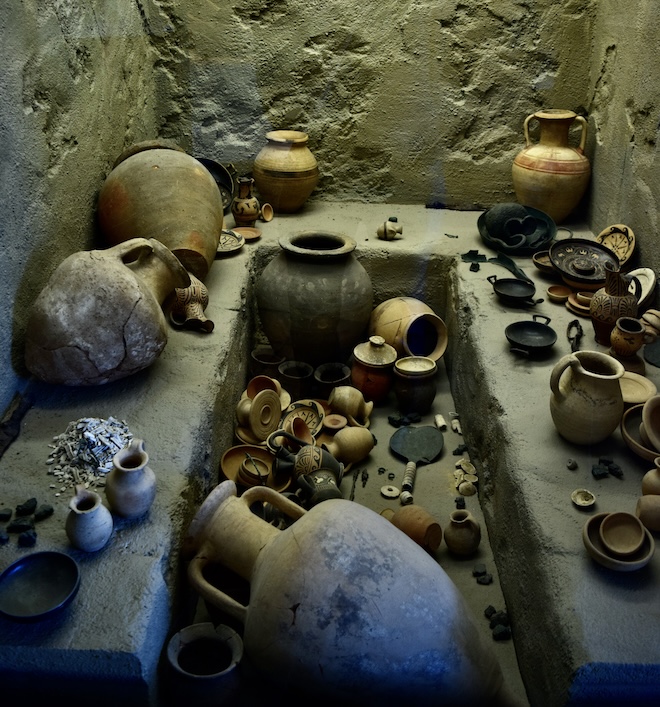
Thorough observation and precise recording have always been the backbone of archaeology. Researchers have developed many ways to document historical material, including detailed site photos and handwritten excavation notes. Today’s mobile technologies make photographing archaeological features, consulting reference materials, and organizing field observations easier.
The Evolution of Archaeological Field Documentation
Notepads, drawings, measurement tools, and photography gear were vital to early archeological missions. Long after fieldwork ended, these records helped academics understand what happened and interpret the findings.
Digital documentation has given archaeologists more flexibility, yet older approaches remain useful.
These days, archaeological sites are documented using digital cameras, specialized recording software, and geographic information systems.
From Paper Records to Digital Archives
With digital records, researchers can now easily link images to excavation details, locations, and supplementary materials.
Assigning a catalog number, photographing the artifact with a scale, and documenting its archaeological environment are all steps in cataloging an excavated pottery piece, for instance.
Because an artifact’s discovery context shapes its historical value, preserving these links is crucial.
Using Mobile Devices at Historical Sites
Smartphones make maps, reference photos, digital notes, and published studies easily accessible.
Portable displays also make it easier to compare existing documentation with observable architectural characteristics, which is useful for archaeologists visiting historical sites.
Reviewing Historical Images in the Field
Historic buildings often undergo repairs, conservation work, and environmental changes. Researchers can spot changes by comparing modern images with older records.
Mobile devices allow researchers to consult these records without carrying extensive printed archives. For researchers reviewing detailed photographs, historical plans, or architectural drawings in the field, an honor big screen phone provides an example of portable foldable display technology.
Still, you can’t tell whether a gadget is fit for professional archaeological recording just by looking at its screen size. Image quality, file compatibility, and project needs are still factors researchers must consider.
Photography and the Preservation of Archaeological Evidence
Because excavations permanently alter the physical arrangement of archaeological deposits, photography remains essential for documenting these sites.
Before beginning excavation, researchers photograph the trenches, buildings, artifacts, and soil layers.
Having these pictures on hand makes analysis and interpretation easier later on.
Why Accurate Image Records Matter
- Photographs taken during archaeological digs should include accurate scales, directions, and consistent identification records.
- Without contextual information, a clear image’s scientific utility may be limited.
- Expert archaeology photography also necessitates care with exposure, lens distortion, color accuracy, and documentation protocols.
- While smartphone images can support initial findings, official documentation should follow the project’s specified process.
Digital Tools and Public Archaeological Education
Museums and heritage organizations have also adapted how they share historical findings as mobile technologies have advanced.
As they explore ancient sites, visitors may view digital reconstructions, navigate with interactive maps, and read interpretive materials.
Making Historical Information More Accessible
Viewers of digital exhibits can zoom in on intricate architectural elements and artifacts that would be impossible to see in person.
For example, to show the structure of delicate artifacts, three-dimensional models can replace repeated physical handling.
Historical interpretations are most useful when they are clearly separated from information that has been rebuilt or is based on speculation.
Challenges in Digital Heritage Documentation
- Data protection and accuracy have become more important duties because of digital convenience.
- To maintain files’ value over time, use consistent naming, create reliable backups, and include sufficient descriptive metadata.
- Regarding cultural sensitivities, location constraints, and authorization to photograph or publish heritage artifacts, researchers must exercise utmost care.
- Preserving original records becomes even more crucial when photographs are altered or used in public displays.
Conclusion
In archaeology, public education, and research, mobile technology is a valuable asset. Nevertheless, effective documentation still requires well-established recording techniques, accurate contextual data, and meticulous preservation. Researchers can enhance the long-term value of historical data by integrating digital convenience with professional archaeological standards.
__________________________
Cover Image, Top: Esthee2010, CC BY-SA 4.0, Wikimedia Commons
__________________________
Advertisement