The material culture of humanity litters our world. The residues and trash of past civilizations fill up museums, and have provided the fodder for countless dissertations. From an evolutionary perspective, much of the variation in human cultural practices is “noise;” it does not provide a significant adaptive advantage or disadvantage to the population in question. But the capacity for culture, and the use of culturally derived technologies, behavioral practices, and social institutions to adapt to varying environmental circumstances has been a critical part of humanity’s success.
Whereas other primates (e.g., the living great apes, and some populations of capuchin monkeys) may exhibit culture, and produce technologies that assist in foraging, humans are unique in being dependent on cultural practices for survival. But how far back in time does this dependency on culture go? The oldest evidence for material culture in the human family tree extends back to nearly 2.6 million years ago (Ma) in Africa. Stone tools found at sites dated roughly between 2.6 and 1.6 million years ago are attributed to the Oldowan Industrial Complex, named after the type site of Olduvai Gorge, Tanzania (Plummer, 2004). Oldowan archaeological sites are restricted to East Africa between 2.6 to 2.0 Ma, and thereafter are found in North and South Africa. In the Oldowan, large pebbles, cobbles, or angular blocks of stone (cores) were struck with another rock (a hammerstone) to detach flakes that had sharp edges and could be used for a variety of cutting tasks (Fig. 1). Large mammal butchery was one demonstrable use of the artifacts, as cut marked bones are coeval with the oldest stone tools, but they may have been used to work wood and process plant foods as well.
_________________________________________________________________________________________
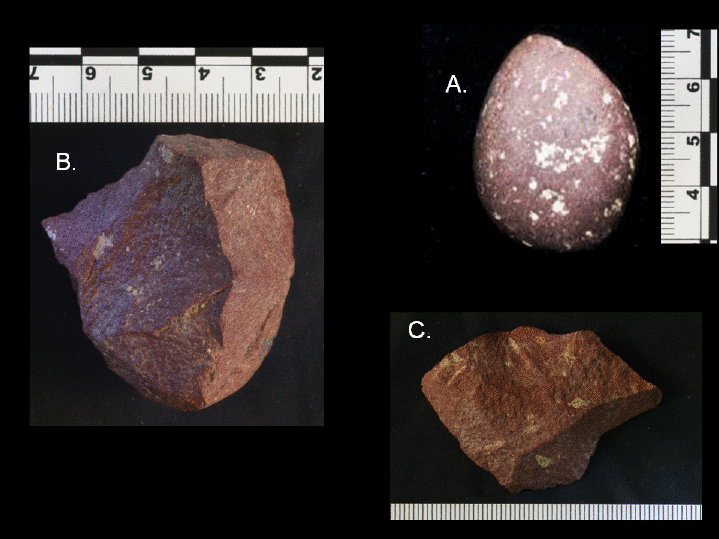
Figure 1. Oldowan artifacts from Kanjera South made from red felsite. A. Hammerstone. B. Core showing flake release surfaces. C. Flake. Photo credits: Jim Oliver and Tom Plummer
______________________________________________________________________________________________________________________
One of the primary goals of my research is to investigate the adaptive significance of Oldowan tools. Were stone tools a critical part of the foraging ecology of early humans, or were they only used incidentally, or seasonally, more akin to chimpanzee tool use? It is likely that more than one species of early human used Oldowan tools, including two members of the human genus Homo, named Homo habilis (ca. 2.4 – 1.4 Ma) and Homo erectus (ca. 1.9 – 0.2 Ma). Understanding how Oldowan stone tools were manufactured, transported, used, and discarded across the landscape will tell us something fundamental about the behavior and cognitive sophistication of the oldest stone tool makers, and the importance of tool use and manufacture to their lives. Although not abundant, there are a growing number of Oldowan sites from Africa. Here I will be describing on-going research from sites in roughly the middle of the timespan for the Oldowan, from the Homa Peninsula, southwestern Kenya.
The Oldowan Site of Kanjera South, Kenya
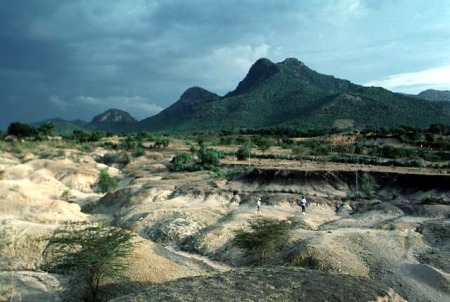
Since 1995 I have been co-directing research on the Homa Peninsula in southwestern Kenya with Dr. Richard Potts of the Human Origins Program of the Smithsonian Institution, working with an interdisciplinary team of paleontologists, archeologists, and geologists investigating the late Pliocene and Pleistocene deposits exposed there (Behrensmeyer et al., 1995; Bishop et al., 2006; Braun et al., 2008, 2009a,b; Ditchfield et al., 1999; Ferraro, 2007; Ferraro et al., ms; Plummer et al., 1999, 2009a,b). The Homa Peninsula juts into the Winam Gulf of Lake Victoria. Centrally located on the peninsula, the peaks of the Homa Mountain carbonatite complex are ringed by sediments deposited by streams and lakes as well as alluvial fans off the flanks of the mountain. Fossil-bearing sediments extend back in time to at least 6 Ma, with the oldest well-dated archaeological occurrence being found at Kanjera South (Fig. 2).
_________________________________________________________________________________________
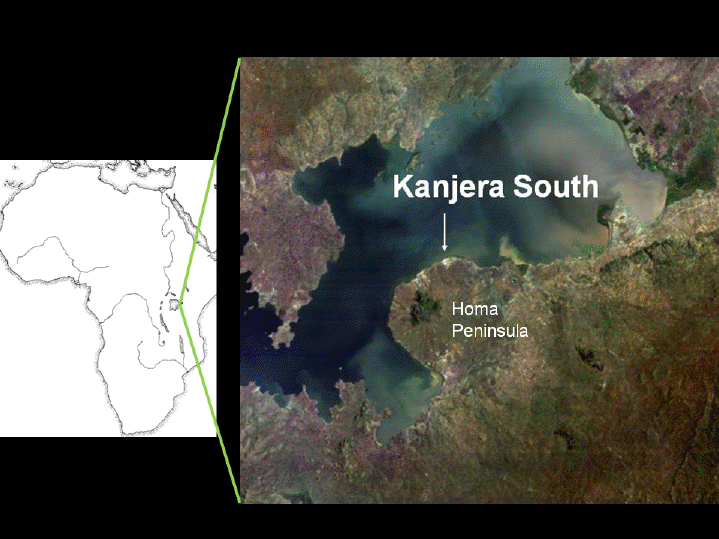
Figure 2. Location of Kanjera South on the Homa Peninsula, Winam Gulf, southwestern Kenya.
______________________________________________________________________________________________________________________
Based on magnetostratigraphy and biostratigraphy, the archaeological sites at Kanjera South are approximately 2 million years old. Excavation through silts and fine sands from an ephemerally flowing system of small, shallow channels in the margins of an ancient lake has recovered multiple levels of stone artifacts and associated fauna through three beds (from oldest to youngest KS-1 through KS-3) spanning several meters of sediment (Fig. 3) (Plummer et al., 1999).
_________________________________________________________________________________________
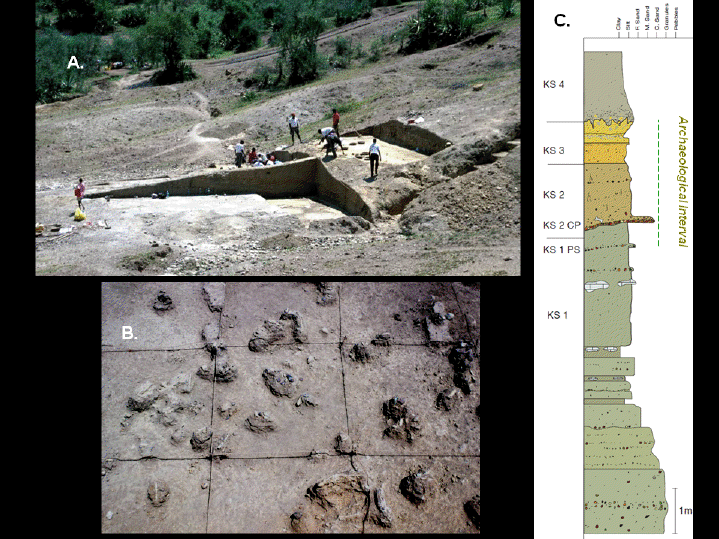
Figure 3. A. Excavation 1. B. Artifacts and fossils being recovered during excavation. C. Composite stratigraphic log shows the basal three beds of the Southern Member of the Kanjera Formation (KS-1 to KS-3) and the base of KS-4. Spatially associated artifacts and fossils are found as diffuse scatters and also in more vertically discrete concentrations from the top of KS-1 through KS-3, with KS-2 providing the bulk of the archaeological sample. Photo credit: Tom Plummer
_______________________________________________________________________________________________________________________
Except for several discontinuous conglomerate units, hominin activity was the primary agent of accumulation of the Kanjera archaeological materials (Plummer et al., 1999; Ferraro, 2007). The 169 m2 Excavation 1 is the largest excavation to date, and has yielded approximately 3700 fossils and 2900 artifacts with 3D (N, E, and Z) coordinates from a one meter thick sequence, exclusive of materials from spit bags and sieving. This represents one of the largest collections of Oldowan artifacts and fauna found thus far.
The Environmental Setting of Hominin Activities
The habitats that were available to hominins, and whether they preferred a specific habitat or utilized a range of habitats, are important to document to understand their adaptation. Over larger timescales and geographic regions, patterns of environmental change can be related to patterns of hominin (living humans and related fossil species) evolution to investigate whether environmental change triggered evolutionary change (DeMenocal, 1995). It seems likely, for example, that the spread of grassy environments played an important role in transformations in the human evolutionary tree through time. Early in our excavation it became apparent that the faunal signal from Kanjera South was more “open” than is typically associated with early archaeological sites. Antelopes whose living relatives are found in open settings today dominate the bovid sample, and fossil zebras are also common. This fauna indicates that grassy habitats were well represented within the regional plant paleocommunity. On a more local scale, analysis of the chemistry of soil carbonate nodules associated with the archeological horizons provides information about the vegetation cover (proportion of grasses using the C4 photosynthetic pathway versus plants such as bushes, shrubs, or trees using the C3 photosynthetic pathway) at the time that hominins were making, using and discarding stone tools at the site. The Kanjera soil carbonates have δ13C values indicative of a very grassy setting (> 75% grass) within the range of open habitats such as wooded grasslands to open grasslands today. Stable carbon isotope analysis of enamel indicates that these taxa uniformly had a large amount of grass in their diets, reflecting the dominance of grass in the vegetation community (Fig. 4).
_________________________________________________________________________________________
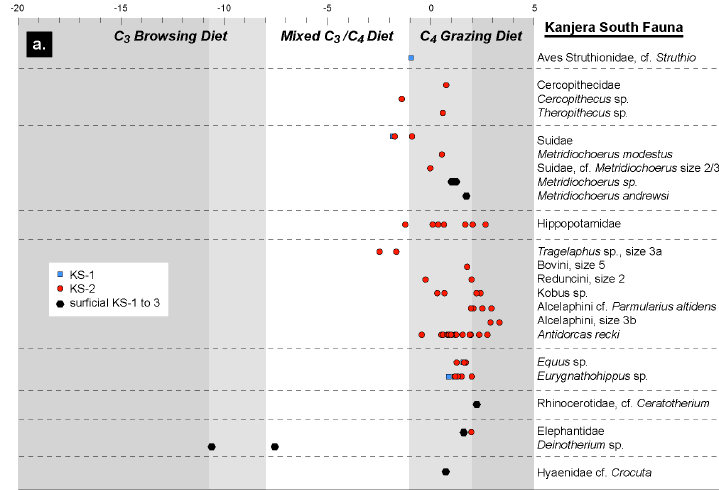
Figure 4. Stable carbon isotopic composition of fossil mammal tooth enamel from KS-2 in Excavation 1. The KS-2 fauna is supplemented by several taxa unique to KS-1 or KS-3, or found on the surface of the KS-1 to KS-3 sequence, to provide a more complete sense of the diet of the mammalian community during the deposition of the archeological levels. The shading reflects the relative importance of C3 browse versus C4 grass in the diet, with δ13C values greater than -1 reflecting a diet with more than 75% C4 vegetation. A probable ostrich (cf. Struthio) eggshell fragment was also analyzed. Modified after Plummer et al. (2009), Figure 3.
_____________________________________________________________________________________________________________________
This is true even for taxa that normally have a C3-rich (fruit or browse) diet (e.g., tragelaphine antelopes and the monkey Cercopithecus sp.). One of the two teeth from Deinotherium, an elephant-like creature that normally exclusively browsed, has the most positive δ13C value ever documented for this taxon indicating that it at least occasionally consumed C4 plants. The strong C4 signal occurs across the spectrum of animals found at Kanjera South, including non-dispersing taxa such as monkeys, rhinos, tragelaphine bovids, and suids. This confirms that the grassland dietary signal is not simply the result of dry season domination of the residential mammalian community by migratory grazers congregating near a permanent water source.
The ca. 2.0 Ma sediments at Kanjera South thus provide some of the best early evidence for a grassland dominated ecosystem during the time period of human evolution, and the first clear documentation of human ancestors forming archaeological sites in such a setting. The presence of artifacts and archeological fauna both low and high in the KS-2 sequence and in the underlying KS-1 and overlying KS-3 indicates that hominins repeatedly visited this grass-rich area on the landscape for hundreds or even thousands of years. This is significant for several reasons. The open setting contrasts with the more wooded settings associated with other Oldowan sites. This suggests that by 2 Ma, the hominins forming the Oldowan sites were utilizing a broad spectrum of habitats during their foraging. Activities in open settings may have correlated with hominin utilization of plant or animal resources that were specific to those habitats. Moreover, the formation of sites in an open setting provides one line of evidence that hominins, in at least some paleoecosystems, were able to compete effectively with large carnivores. This is an important finding, as there is clear evidence that Oldowan hominins were consuming animal carcasses, and this dietary shift would have increased the frequency in which hominins and carnivores came into contact, perhaps in competition for the same carcass.
The Importance of Lithic Technology
We are very fortunate that the Homa Peninsula and its immediate environs has a geologically complex history, so that a diverse array of rocks are exposed in outcrops or as cobbles in conglomerates (Braun et al., 2008; 2009a, b). This raw material diversity is reflected in the artifact assemblages at Kanjera South, which were made using a greater variety of raw materials than typically found at most other Oldowan sites (Fig. 5) (Plummer, 2004).
_________________________________________________________________________________________
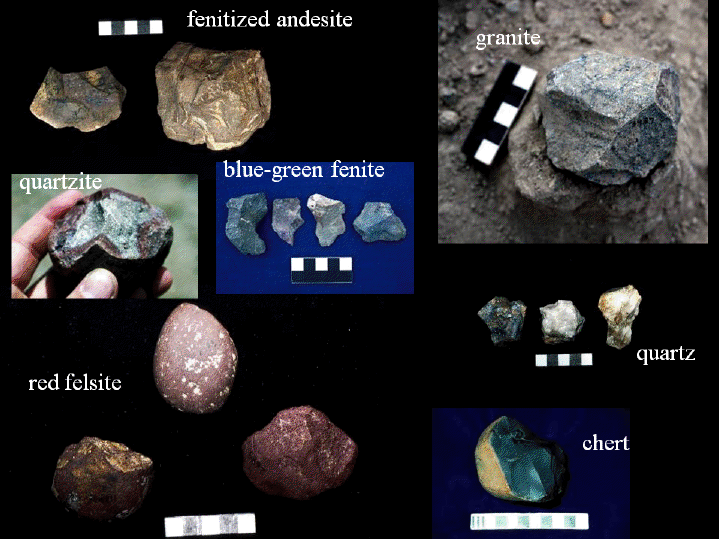
Figure 5. Artifacts made from a representative sample of raw materials from Kanjera. Photo credit: Tom Plummer
_____________________________________________________________________________________________________________________
Extensive raw material surveys both on and off the Homa Peninsula combined with petrological and geochemical characterization of samples collected from primary outcrops and ancient stream and river conglomerates have been used to build a lithological data base for sourcing most of the rocks used in artifact manufacture. We thus have a good idea of how far the artifacts were transported away from their sources prior to their discard at Kanjera South (Braun et al., 2008). Moreover, these rocks vary in physical properties (e.g., hardness) that can be quantified, with the harder, and often more easily flaked raw materials being found in conglomerates off the Homa Peninsula, outside of the drainage system of Homa Mountain (Fig. 6).
_________________________________________________________________________________________
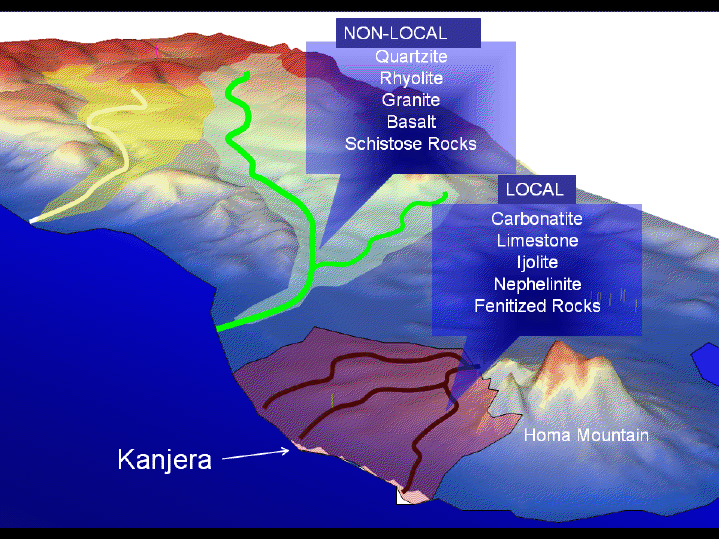
Figure 6. The placement of Kanjera within the zone of the radial drainage system of the Homa Mountain carbonatite complex. Non-local “high quality” raw materials are found in conglomerates at least 10-13 km away from Kanjera. Image provided by David Braun.
______________________________________________________________________________________________________________________
Hardness is an important variable, as experiments have shown that a flake of a hard raw material, like the quartzite found off of the Homa Peninsula 10 or more km away from the site, will maintain a sharp edge much longer than a flake of a soft raw material, such as limestone, that outcrops locally. The geographic distribution of raw materials varying in their physical attributes provides an opportunity to assess aspects of hominin decision making in the selection, transport, and flaking of stone. If stone tool manufacture was not a critical component of the foraging behavior of the hominins at Kanjera, there would be little pressure to transport stone, and one would expect the artifact assemblage to be overwhelmingly dominated by locally available raw materials from the conglomerates in the radial drainage system off of Homa Mountain. What we found is that approximately 30% of the artifacts recovered from Kanjera were made from rocks that were transported to the site from conglomerates at least 10-13 km away (Braun et al., 2008). Moreover, these nonlocal raw materials were more extensively flaked, and flaked more efficiently (generating more cutting edge per unit volume) than the local raw materials found on the peninsula (Braun et al., 2009a, b). Flakes of some of the nonlocal, hard raw materials are occasionally retouched (the removal of tiny flakes from an artifact’s edge to resharpen it). Retouching is uncommon in the Oldowan, and at Kanjera it was only carried out with the hard, non-local raw materials. This again reflects the attention hominins paid to raw materials best suited for tool use. The finding that there are not nearly enough cores to account for all of the flakes at the site further hints that the artifact sample at Kanjera was part of a larger transport system. It appears that cores were being carried by hominins, for use to dispense flakes as needed for various cutting tasks.
The fact that hominins were investing energy in the transport of hard raw materials, and more efficiently reducing them, suggests that artifact manufacture was of great importance in their day-to-day lives. But what was it that they were doing with these artifacts? One certain use was animal butchery. Hominins were predominantly acquiring small antelopes the size of Grants Gazelles or a bit larger (Ferraro et al., ms). The representation of the different bones of the skeleton indicates that complete carcasses of these animals were brought to the site. Analyses of dental eruption and long bone fusion indicate that many of these antelopes were immature when they died. Damage to the fossils indicates that hominins were using stone tools to slice meat off of bones, and to break bones open for their fatty marrow. Carnivore toothmarks are also found on bones, showing that they too were interested in the carcasses at the site. But the carnivore damage largely follows the hominin damage, and appears to represent scavenging of the leftovers of the hominin meals.
_________________________________________________________________________________________
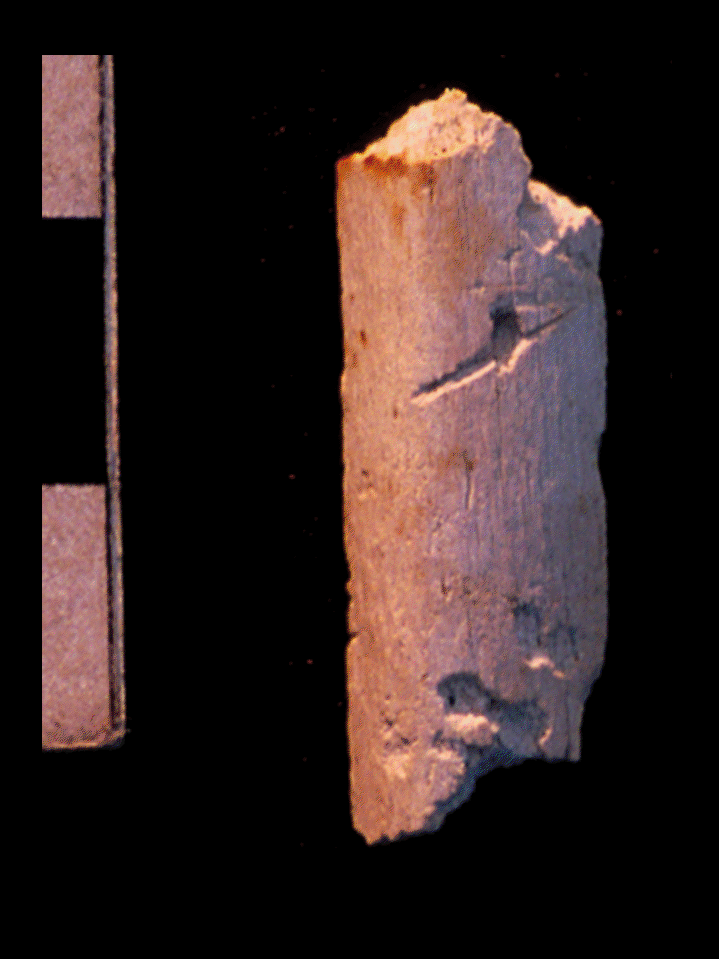
Figure 7. A shaft fragment from an ungulate leg bone showing a single, deep stone tool cutmark and carnivore toothmarks. One toothmark overlays the cutmark, indicating that the hominins had stripped meat off the bone prior to carnivore gnawing. Photo credit: Tom Plummer.
______________________________________________________________________________________________________________________
The overall pattern of hominin access to the complete carcasses of small antelopes may be the signal of hominin hunting. If so, this would be the oldest evidence of hunting to date in the archaeological record. There are bones from larger antelopes and other ungulates as well, but their skeletons are not as complete, and it is unclear whether the hominins were having access to fleshy carcasses of these animals, or whether larger bovids were sometimes acquired by scavenging carnivore kills.
Artifact use-wear analysis provides another avenue for assessing the range of activities carried out by ancient hominins. We categorized the traces produced by working different materials (e.g., soft and hard wood, grass, wild tubers, animal skin and flesh) using an experimental collection of artifacts made using the same raw materials as those used by the Kanjera hominins. This use-wear reference collection was then available for diagnosing what hominins were cutting and scraping based on the use-wear of the tools found at the archaeological site. Thus far, the use-wear on the quartz and quartzite subsample of Kanjera artifacts confirms that animal butchery was conducted on-site, but also demonstrates the processing of a variety of plant tissues, including wood (for making wooden tools?) and tubers (Gibbons, 2009; Lemorini et al., 2009). This is significant, because the processing of plant materials appears to have been quite important, but would otherwise have been archaeologically invisible.
Summary and Future Research
Research at Kanjera has informed us a great deal about the habitat use and behaviors of Oldowan hominins, and about the importance of stone technology to the lives of our ancestors living 2 million years ago. Hominins were foraging in a variety of habitats, from grasslands to woodlands, and processing plant and animal foods with stone tools. Tool use seems to have been adaptively significant, as hominins preferentially utilized and transported stones that were hard, and produced flakes that held a sharp edge for a long time. Hominins consumed foods including animal carcasses and tubers that would have required stone tool use to acquire and/or process, were of high nutritional value, and came in packets large enough to be shared.
There is a great deal of more research to be carried out on the Homa Peninsula. In addition to further research at Kanjera, the next round of excavations will include several new Oldowan sites to the west and south of the Homa Mountain carbonatite complex. These sites will allow us to investigate how Oldowan hominin behavior and technology varied across different habitats, and with differential access to high quality raw material.
_______________________________
Literature Cited
Behrensmeyer, A.K., Potts, R., Plummer, T. W., Tauxe, L., Opdyke, N. & T. Jorstad (1995). The Pleistocene locality of Kanjera, Western Kenya: stratigraphy, chronology and paleoenvironments. Journal of Human Evolution 29:247-274.
Bishop, L., Plummer, T. W., Ferraro, J., Ditchfield, P., Braun, D., Hertel, F., Hicks, J. & R. B. Potts (2006). Recent research into Oldowan hominin activities at Kanjera South, Western Kenya. African Archaeological Review 26: 31-40.
Braun, D., Plummer, T. W., Ditchfield, P., Ferraro, J. V., Maina, D., Bishop, L. C., Potts, R. (2008) Oldowan Behavior and Raw Material Transport: Perspectives from the Kanjera Formation. Journal of Archaeological Science 35: 2329–2345.
Braun, D., Plummer, T. W., Ditchfield, P., Bishop, L. & J. Ferraro (2009a). Oldowan technology and raw material variability at Kanjera South, Kenya. In Hovers, E. & D. Braun (eds) Interdisciplinary Approaches to Understanding the Oldowan, Springer, Dordrecht, pp. 99-110.
deMenocal, P.B. (1995). Plio-Pleistocene African climate. Science 270: 53-59.
Braun, D., Plummer, T. W., Ferraro, J., Ditchfield, P. & L. Bishop (2009b). Raw material quality and Oldowan hominin toolstone preferences: Evidence from Kanjera South. Journal of Archaeological Science 36: 1605–1614
Ditchfield, P., Hicks, J., Plummer, T. W., Bishop, L. & R. Potts (1999). Current research on the Plio-Pleistocene deposits north of Homa Mountain, Southwestern Kenya. Journal of Human Evolution 36:123-150.
Ferraro JV (2007) Broken bones and shattered stones: on the foraging ecology of Oldowan hominins. PhD dissertation. University of California Los Angeles, Los Angeles, California.
Ferraro, J.V., Plummer, T.W., Pobiner, B.L., Oliver, J.S., Bishop, L.C., Braun, D.R., Ditchfield, P.W., Seaman, J.W. III, Binetti, K.M., Seaman, J.W. Jr., Hertel, F. and R. Potts. (manuscript) Earliest evidence of persistent hominin carnivory.
Gibbons, A. (2009). Of tools and tubers. Science 324: 588-589.
Lemorini, C, Plummer, T, Braun, D, Crittenden, A, Marlowe, F, Schoeninger, & P. Ditchfield (2009). Functional interpretation by use-wear analysis of 2 million-year-old Oldowan tools from Kanjera South, Kenya. Presented at the annual meetings of the Paleoanthropology Society in Chicago, Illinois, March 31 & April 1.
Plummer, T. W., Bishop, L., Ditchfield, P. & J. Hicks (1999). Research on late Pliocene Oldowan sites at Kanjera South, Kenya. Journal of Human Evolution 36:151-170.
Plummer, T. W. (2004). Flaked stones and old bones: biological and cultural evolution at the dawn of technology. Yearbook of Physical Anthropology 47: 118-164.
Plummer, T. W., Bishop, L., Ditchfield, P., Kingston, J., Ferraro, J., Hertel, F. & D. Braun (2009a). The environmental context of Oldowan hominin activities at Kanjera South, Kenya. In Hovers, E. & D. Braun (eds) Interdisciplinary Approaches to Understanding the Oldowan, Springer, Dordrecht, pp. 149-160.
Plummer T. W., Ditchfield, P.W., Bishop, L. C., Kingston, J.D., Ferraro, J.V., Braun, D. Hertel, F. & R. B. Potts (2009b) Oldest Evidence of Toolmaking Hominins in a Grassland-Dominated Ecosystem. PLoS ONE 4(9): e7199, 1-8.
Acknowledgements
I am grateful to the Office of the President of Kenya, and the National Museums of Kenya for permission to study the Kanjera fossils and artifacts. The Homa Peninsula field research was conducted through the cooperative agreement between the National Museums of Kenya and the Smithsonian Institution. Logistical support and funding was also provided by the Smithsonian’s Human Origins Program. Funding from the L. S. B. Leakey Foundation, the National Geographic Society, the National Science Foundation, the Wenner-Gren Foundation, and the Professional Staff Congress-City University of New York Research Award Program for Kanjera field work is gratefully acknowledged. I thank the co-director of the Kanjera project, Laura Bishop, and Rick Potts and the Human Origins Program for support during all phases of the Kanjera research. Collaborators on this project include Laura Bishop and Fritz Hertel (paleontology), David Braun (lithic technology), Peter Ditchfield and John Kingston (geology and geochemistry), Jennifer Parkinson, Jim Oliver, and Joe Ferraro (zooarcheology) and Rick Potts (archaeology, logistics).
___________________________________________________________________________________________________________________
About the Author
Tom Plummer is an Associate Professor in the Anthropology Department at Queens College, City University of New York, and a member of the CUNY graduate faculty and the New York Consortium in Evolutionary Primatology. His research broadly focuses on late Pliocene and early Pleistocene hominin behavior and ecology, with a special interest in exploring the adaptive significance of the first stone tools. He co-directs field research on the Homa Peninsula, Kenya with Richard Potts, where Plummer is focusing on late Pliocene and Pleistocene archeological and paleontological sites.
______________________________________
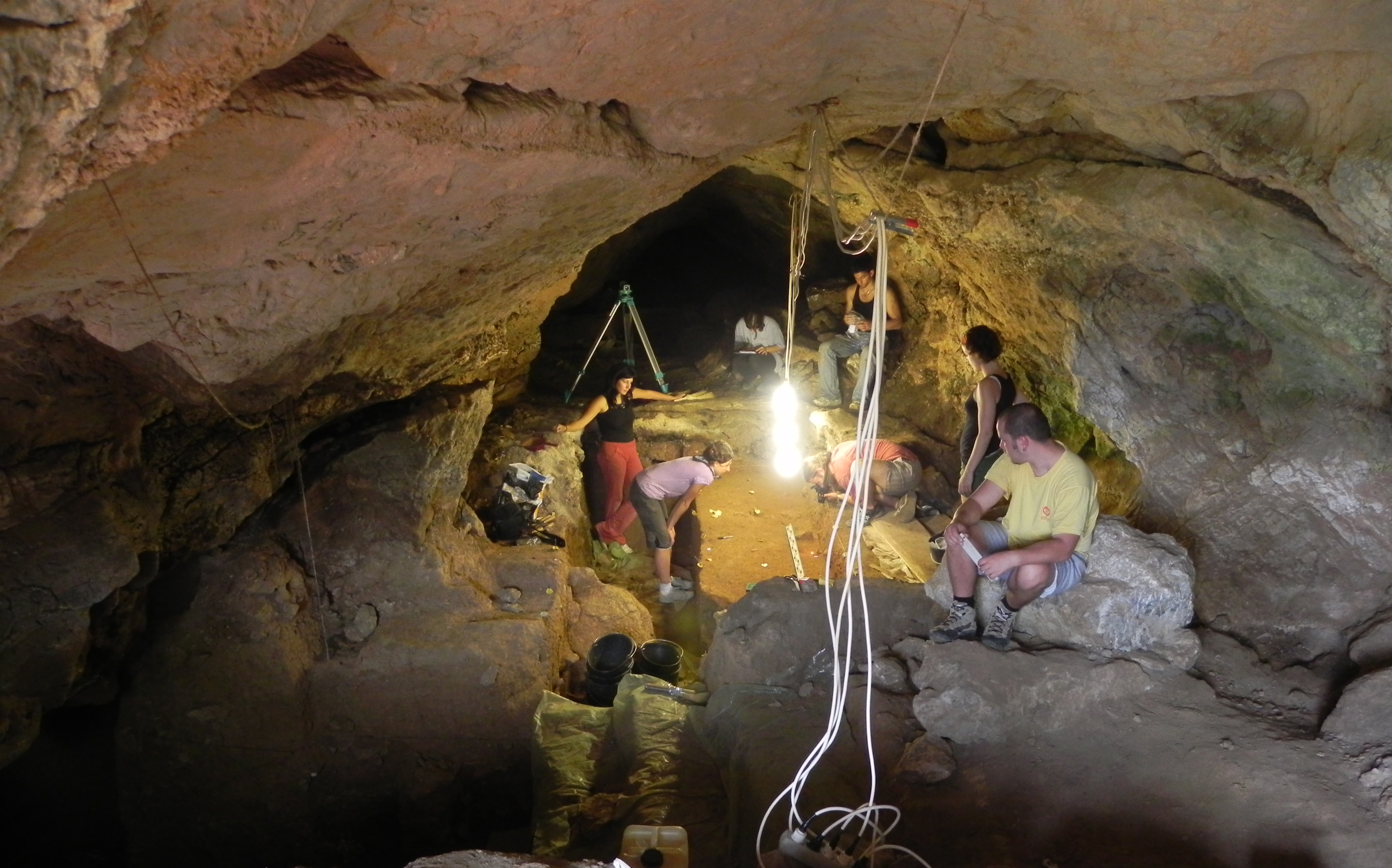
Cover Photo, Top Left: View of excavations at Kanjera South. Photo credit: Tom Plummer
______________________________________________
 _________________________________________________
 Professor Donald Redford is professor of classics and ancient Mediterranean Studies at the Pennsylvania State University and the director of the Mendes expedition. He is a noted expert in the field of Egyptology and Biblical Studies and is the author of numerous books and articles, including
  Dr. Susan Redford is faculty lecturer in the Dept. of Classics & Ancient Mediterranean Studies at the Pennsylvania State University and the director of the Theban Tomb Survey. Dr. Redford is the author of numerous articles and
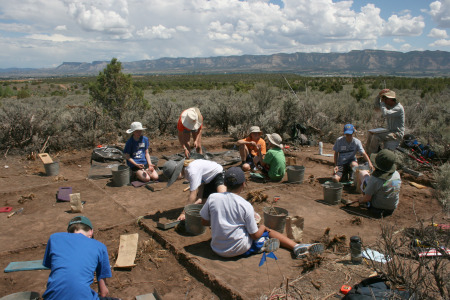
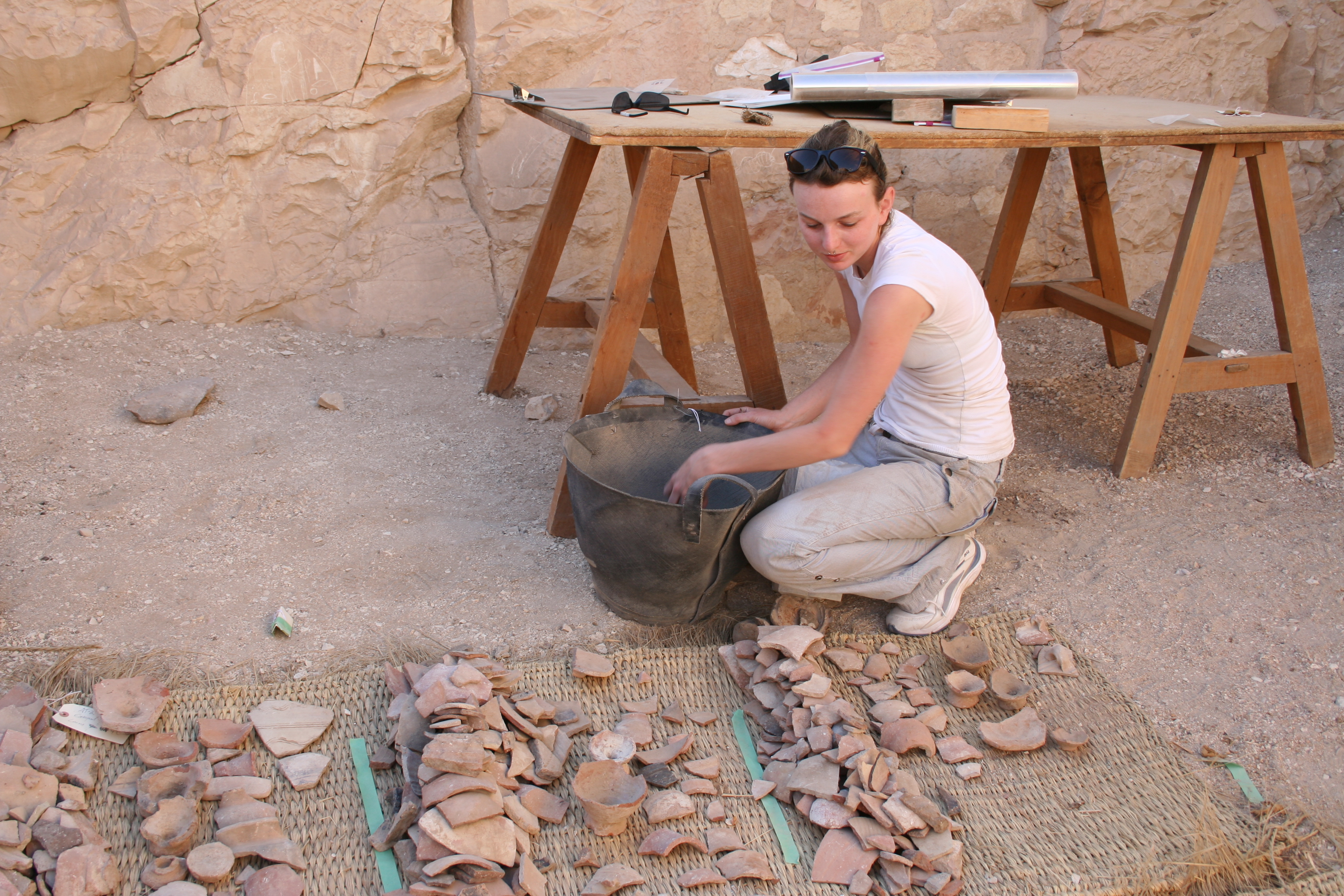 The success and important results of the Theban Tomb Survey have been very much due to a team effort that includes members of my technical staff of artists, photographers, architect, ceramicists, and osteologists,— not to mention the many students that have accompanied us! Besides the hands-on field training that these students have gained, the field school has provided the research project with productive field assistants. Students are involved in all aspects of the field work with tasks that include clearance in controlled excavation, object registration, sifting, osteological documentation, sorting and tabulation of ceramics, assistance with photography and site planning, and general site recording (fig. 5 above right, student sorting pottery “on the mats”). Over the years, students who have joined the expedition have come not only from Penn State, but from other universities across North America, including the University of Toronto, Princeton, Yale, UCLA, New York University, Boston University, University of California, and the University of Hawaii.
 The
The 
 The site was nothing like the visual splendor that greeted explorers and adventurers at places like Luxor, Giza, and Abu Simbel.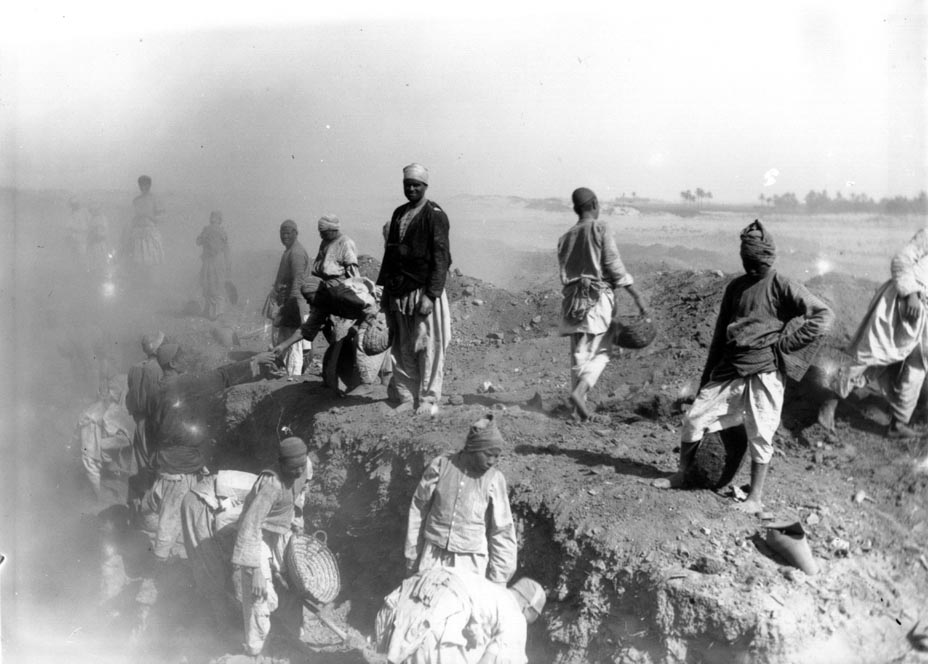


 For today’s scholars of history, anthropology, and history, and particularly for the rest of humanity living lives of little public consequence and notoriety, the papyri carry a meaning that transcends the traditional fascination or interest in the great people and events of conventional written history. This is realized in the volumes of recovered transactions, dealings, accounts and letters (example pictured right) that documented the everyday lives of the people of Oxyrhynchus Polis, lives that but for the papyri would have been lost and forgotten for posterity.
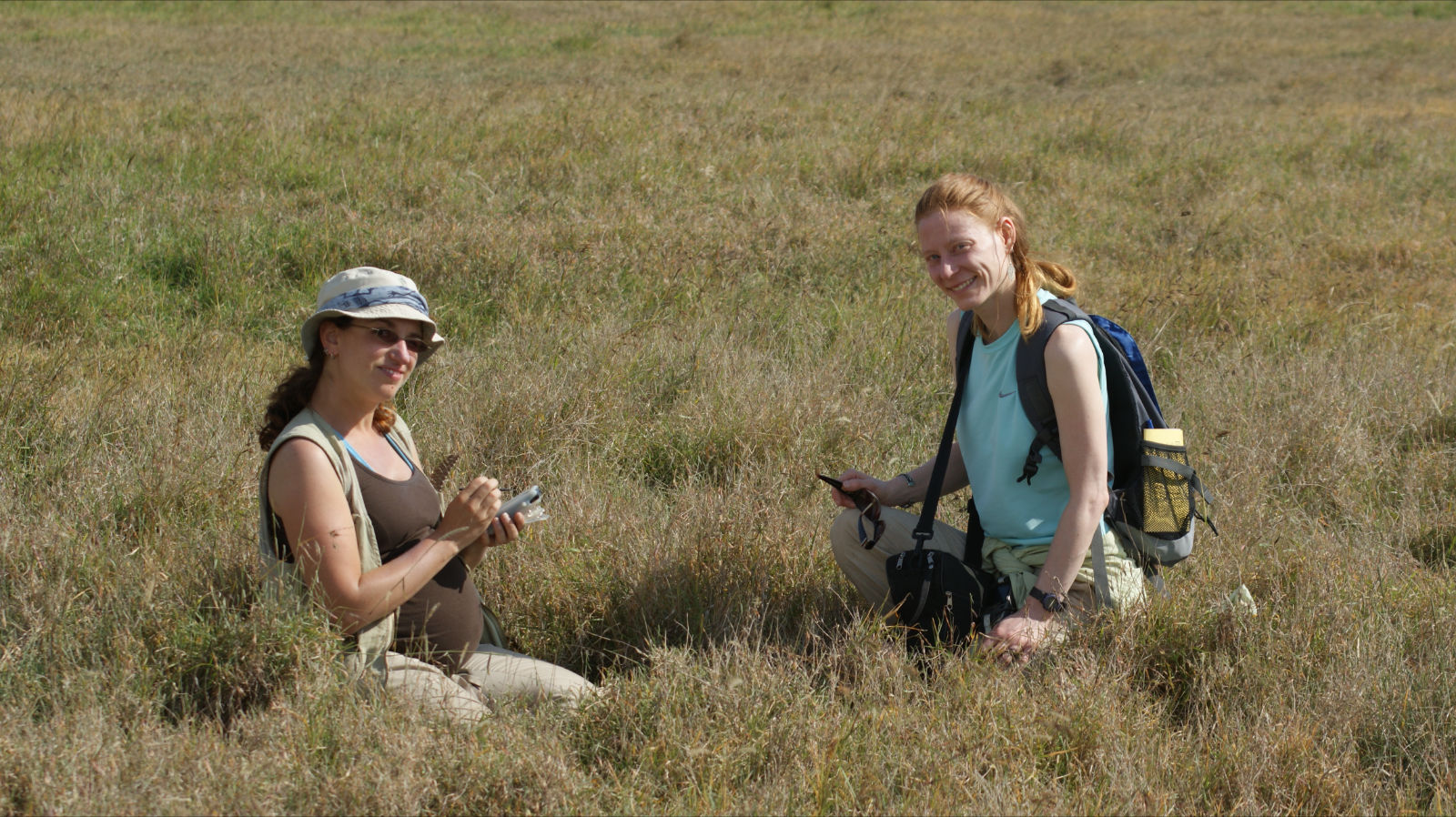
 Maggie Knapp is an Art History and Global Studies double major studying at UC Santa Barbara, currently working for the nonprofit ESP~Maya under the direction of Dr.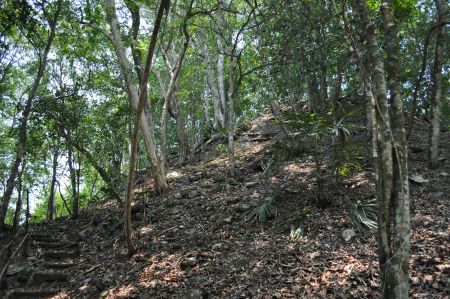


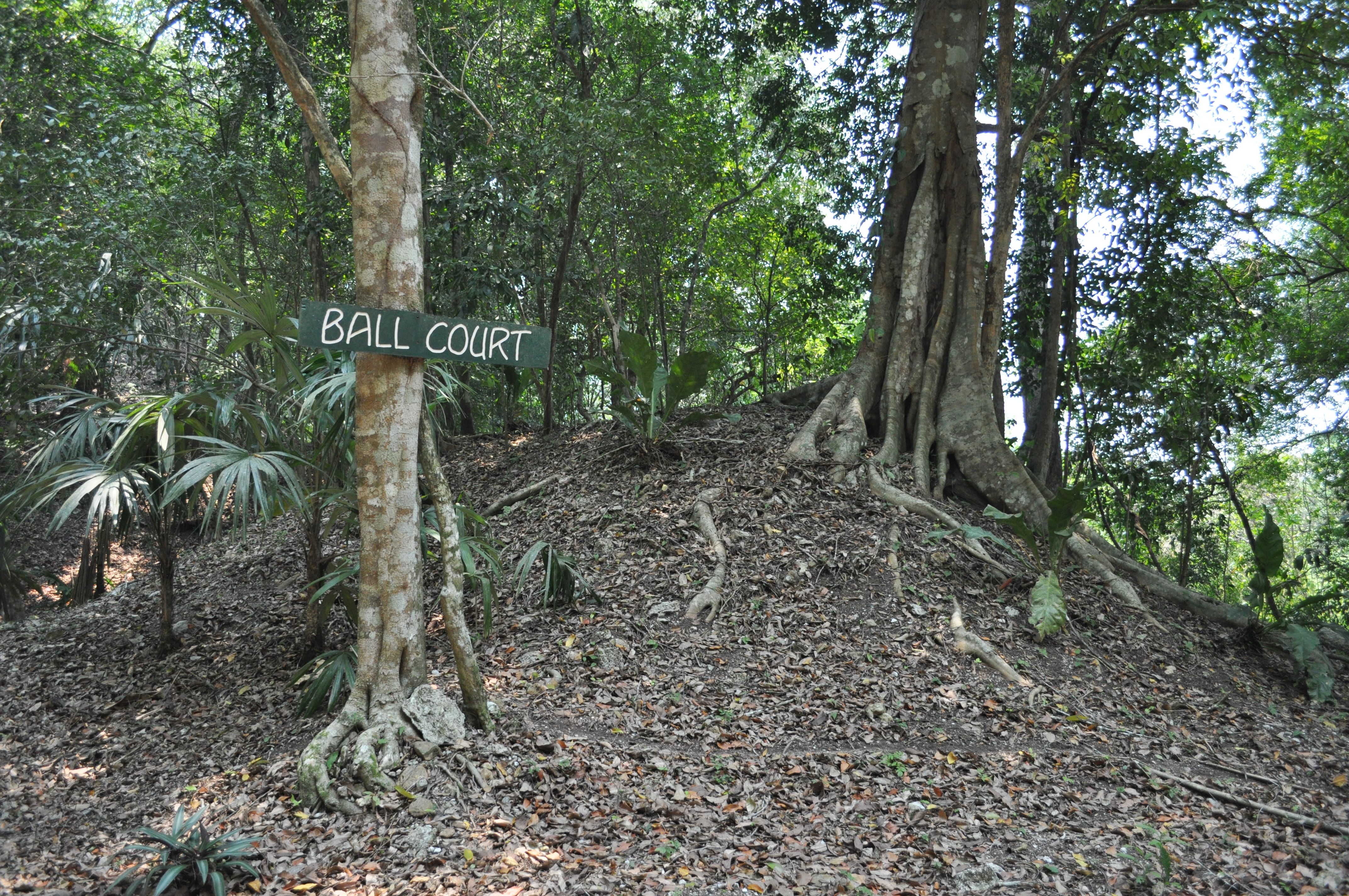 In fact, most of the ancient structures still lie in shade under the forest canopy protected by vegetation, because El Pilar is the subject of a whole new kind of archaeological presentation. It will prove to be a model for projects to come, informing future solutions for how humanity can sustain itself and flourish by cooperating with nature instead of dominating and destroying it.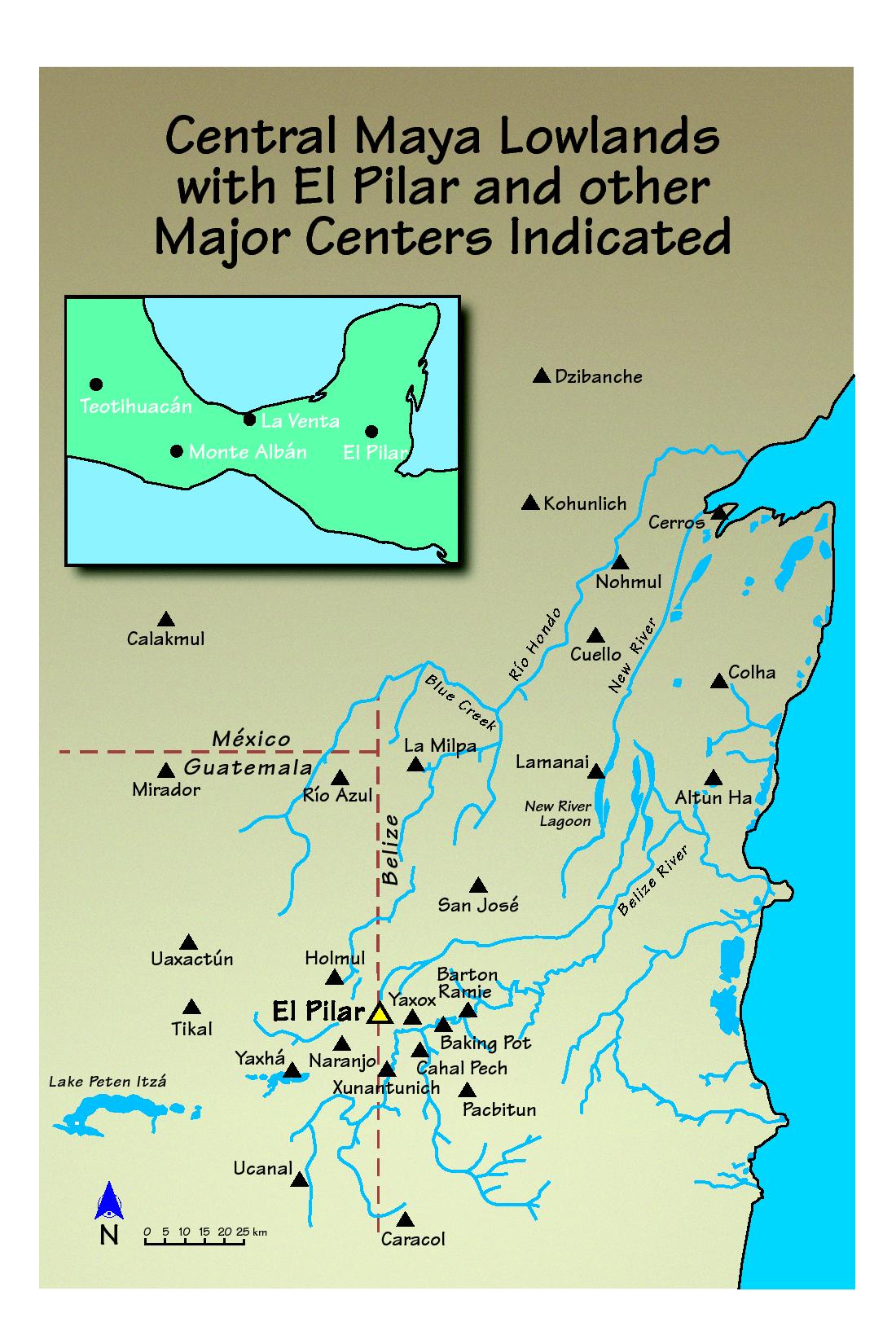
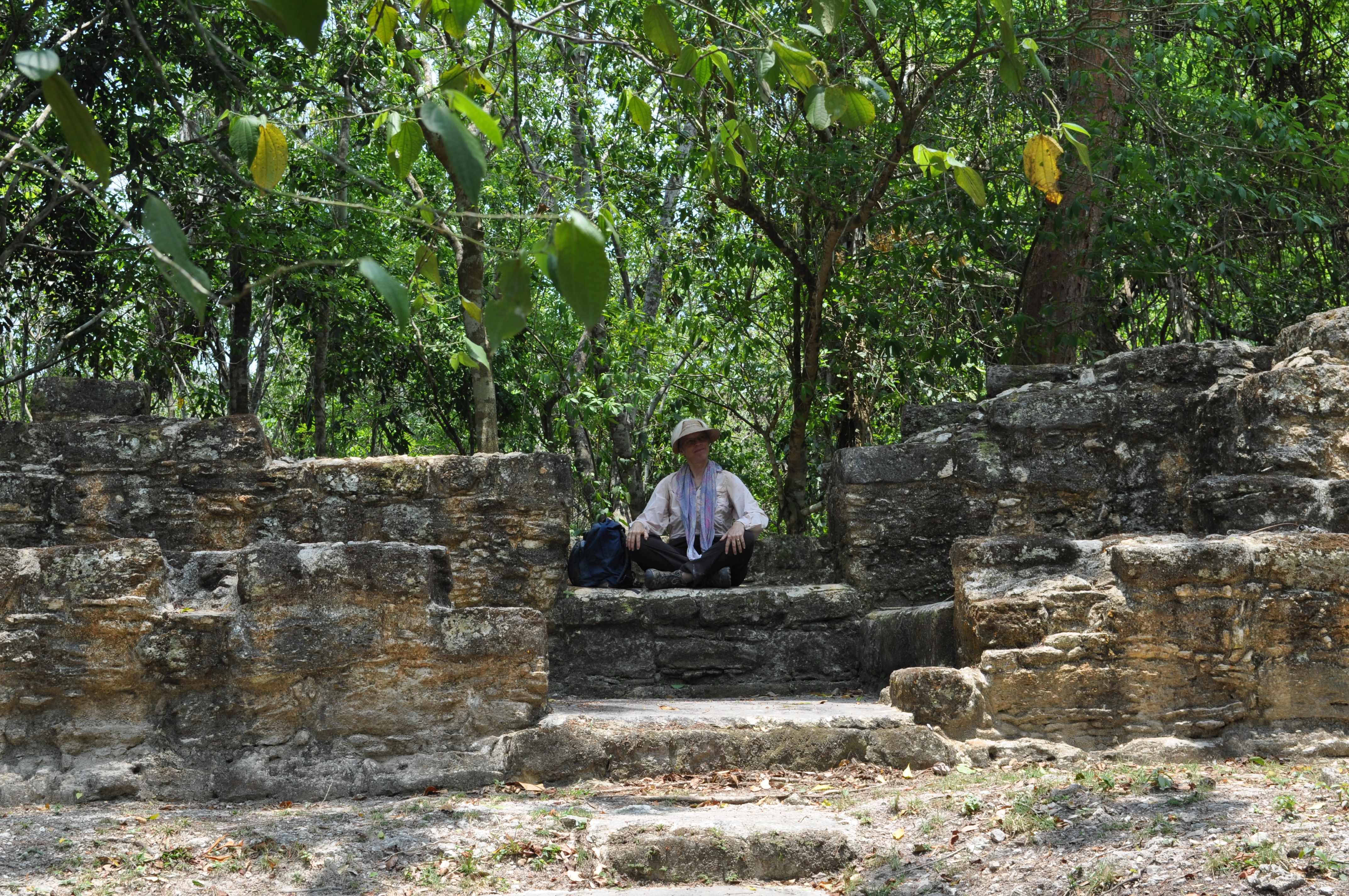
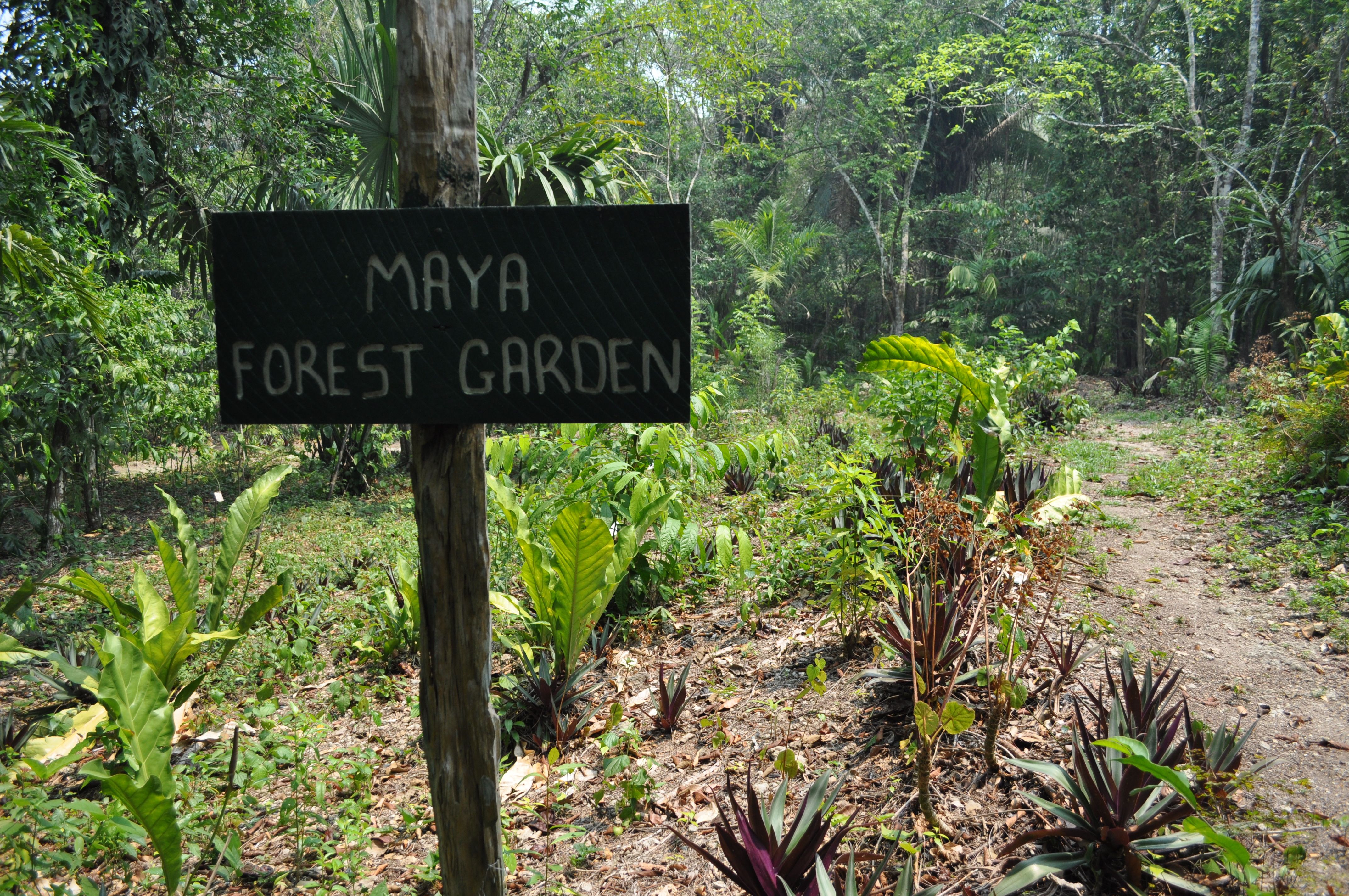


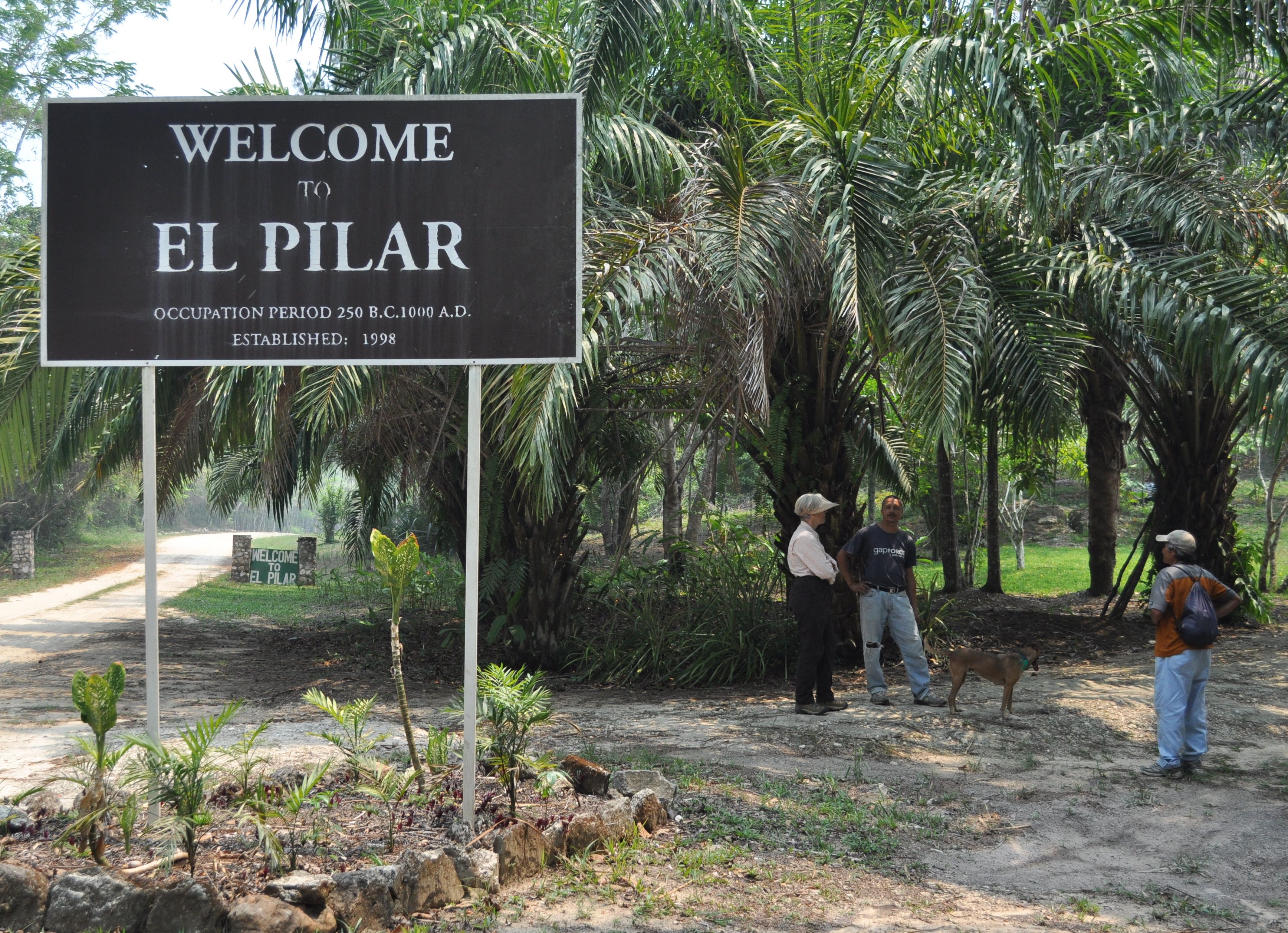 Tourism today has a unique opportunity to acknowledge lost societies and civilizations such as those of the Maya. We also have the chance to embrace the gifts of the present-day communities of Maya descendants, who not only inform our understanding of how these ancient peoples lived, but how they have continued to thrive in their immensely rich and biodiverse habit. Tourism is a central means by which this unique population and their legacy can enter the world economy, featuring their historical, cultural, and environmental heritage. The success of the El Pilar model is dependent upon the results of integrated, collaborative, and multi-disciplinary programs and adaptive management strategies with full participation of the officials, the community, and the experts that are involved in maintaining the reserve on a long-term basis. The overarching vision for El Pilar is a responsibly managed site that benefits local populations, regional governments, and international tourists while promoting sustainable stewardship of the land for posterity. No one goal can be attained at the expense or neglect of another, and we can hardly pursue our objectives without weighing the demands of all parties who have a stake in history’s treasures.
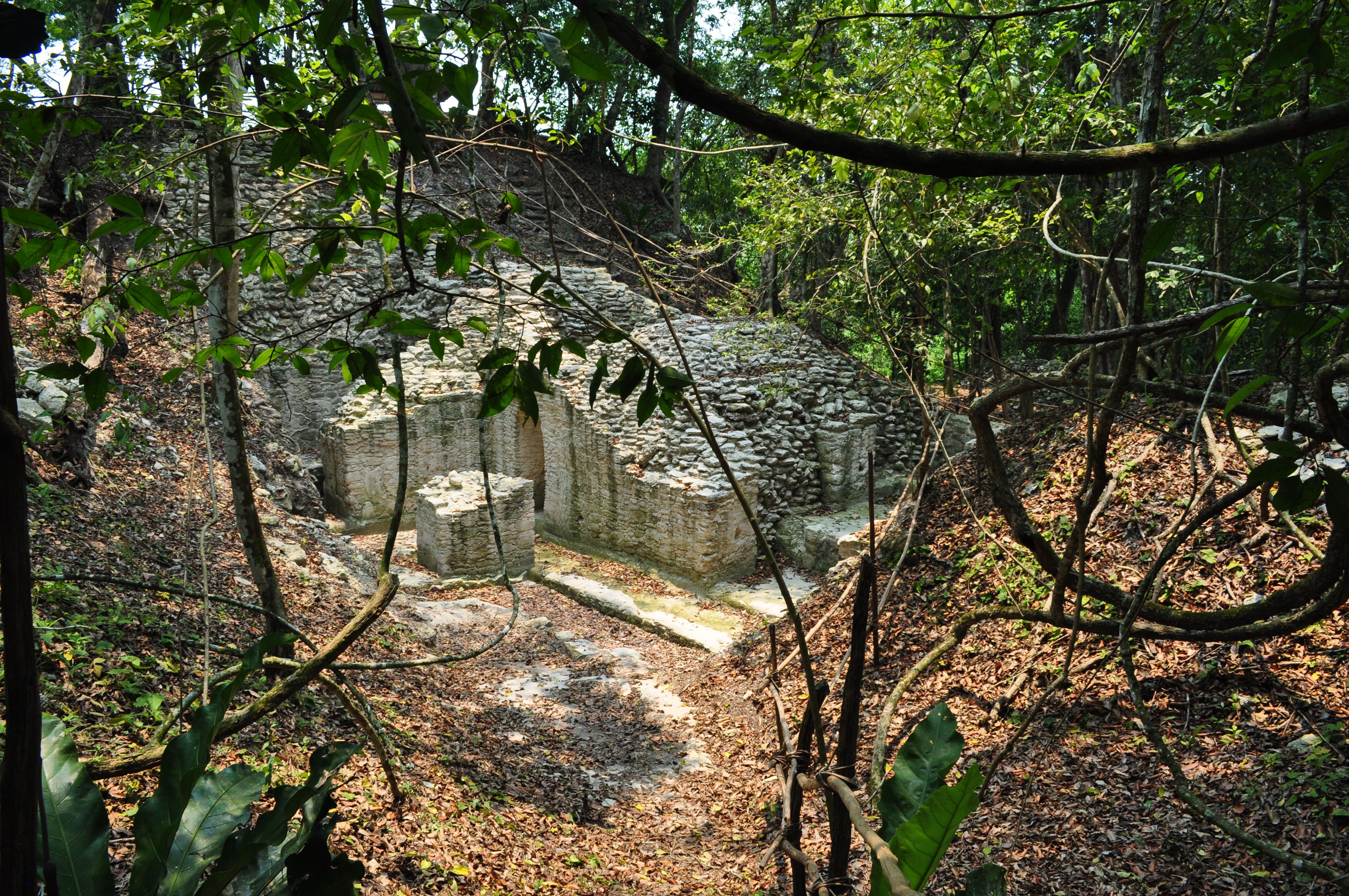 Tourism is the only product where the consumer must journey to the source to appreciate it, and the most recent statistics demonstrate that tourism accounts for a growing proportion of income in the Central American region. Tourists are becoming ever more conscious of the unity of human values and coming to regard ancient monuments as part of our common cultural and human heritage. With this post-national appreciation will come the recognition of our common responsibility to safeguard these monuments for future generations (according to the 1964 ICOMOS Venice Charter). It is with these aims in mind that we see the El Pilar project as an opportunity to explore alternative strategies that can provide a unique educational experience for the visitor and a long-term solution to conservation. The model of Archaeology Under the Canopy practiced at El Pilar has attracted local involvement, student class visits, regional university interns, international permaculture enthusiasts, and worldwide environmental educators. With effective models based on the inherent value of a traditional people’s conservation strategies like those of the Maya, we see increasing acknowledgement that the preservation of living cultures and regional economic development are mutually dependent elements of sustainability. Cultural heritage is thus an asset that is indispensable to the achievement of a sustainable future.
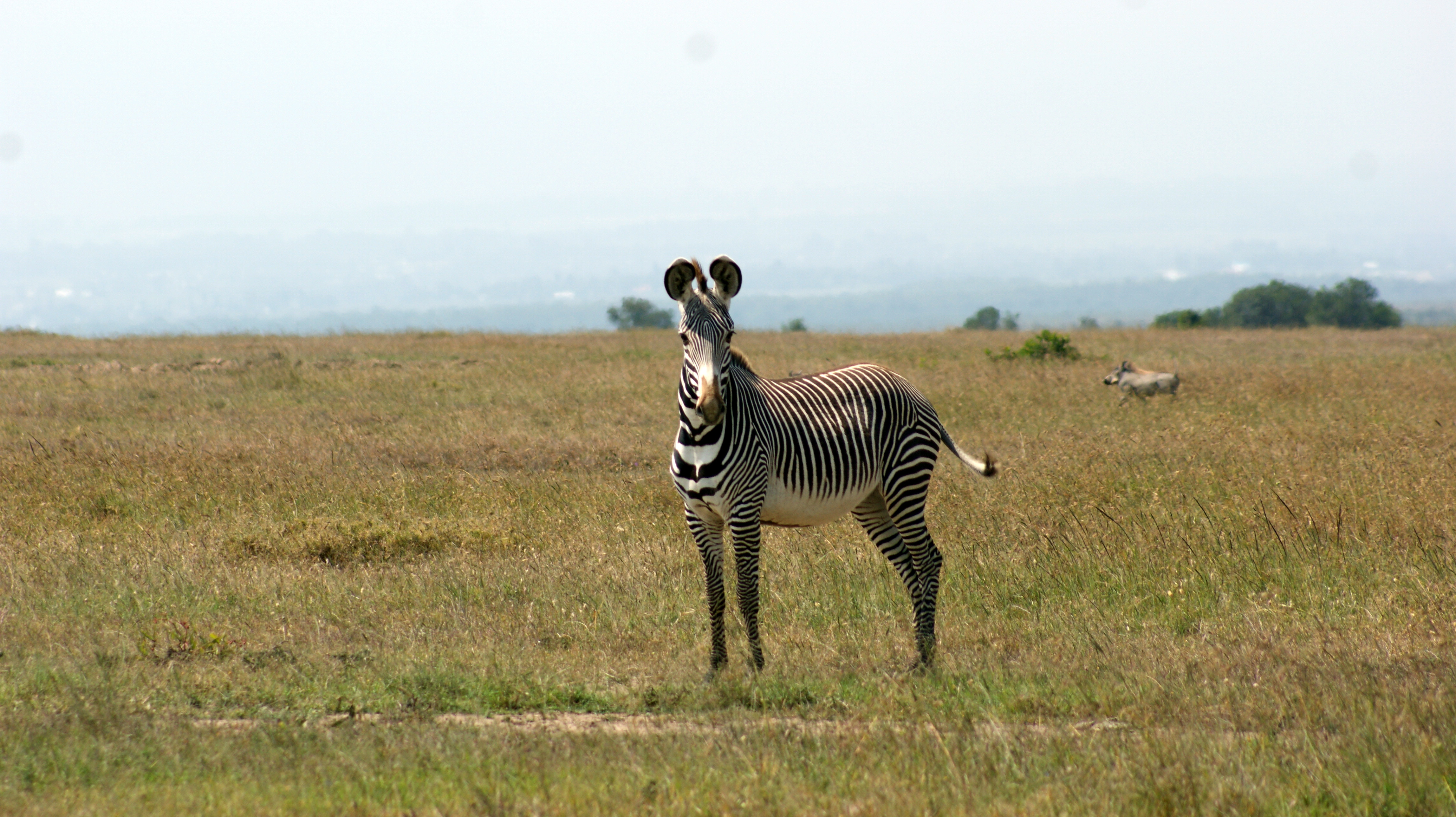
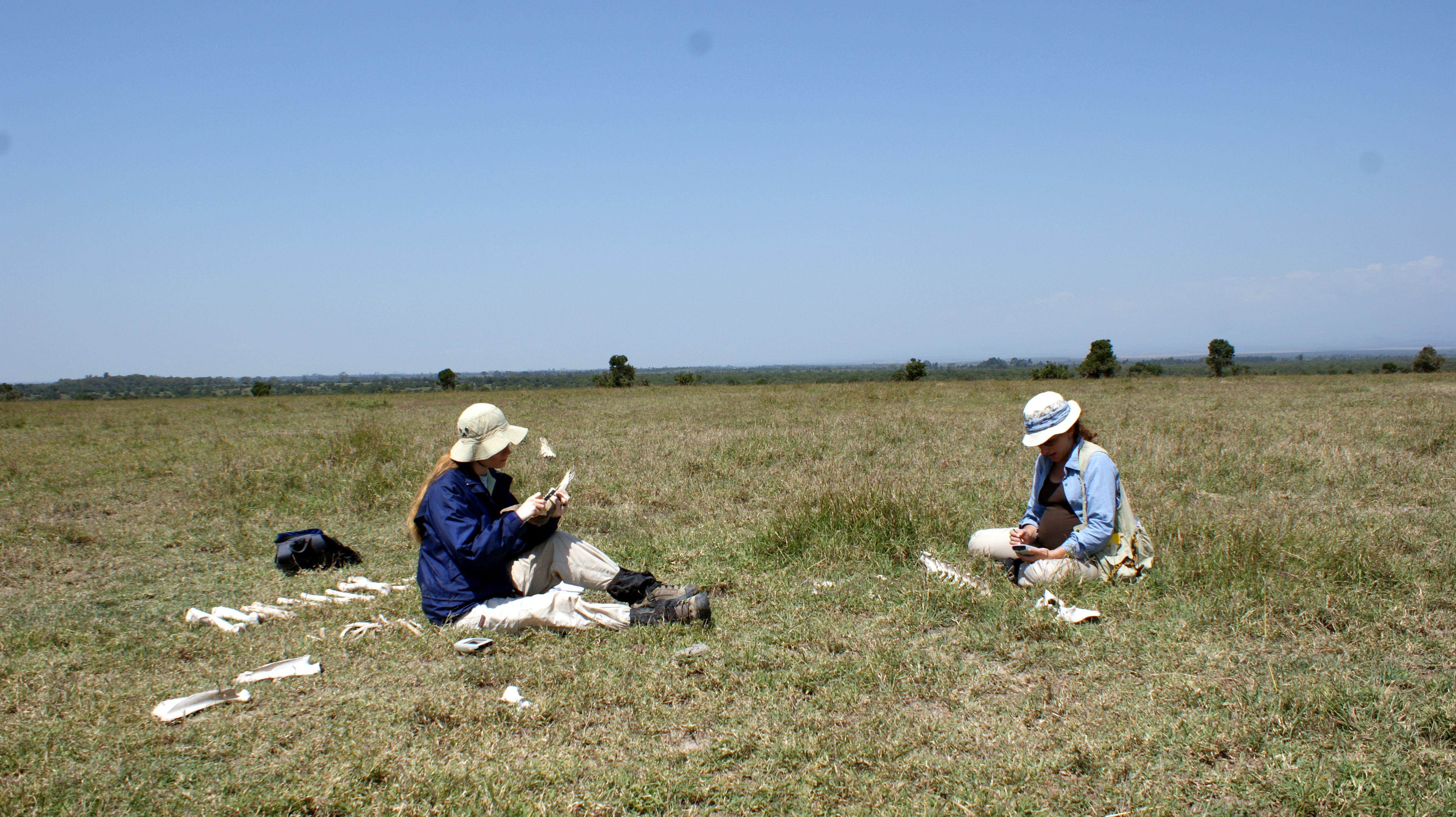
 Briana Pobiner, the Science Outreach & Education Program Specialist for the Smithsonian’s Human Origins Program, has a BA in Evolutionary Studies from Bryn Mawr College, where she created her own major, and an MA and PhD in Anthropology from Rutgers University. Her research centers on the evolution of human diet (with a focus on meat-eating), but has included topics as diverse as cannibalism in the Cook Islands and chimpanzee carnivory. She has done fieldwork in Kenya, Tanzania, South Africa, and Indonesia and has been supported in her research by the Fulbright-Hays program, the Leakey Foundation, the National Geographic Society, the National Science Foundation, Rutgers University, the Society for American Archaeology, the Smithsonian Institution, and the Wenner-Gren Foundation. Her favorite field moments include falling asleep in a tent in the Serengeti in Tanzania while listening to the distant whoops of hyenas, watching a pride of lions eat a zebra carcass on the Kenyan equator, and discovering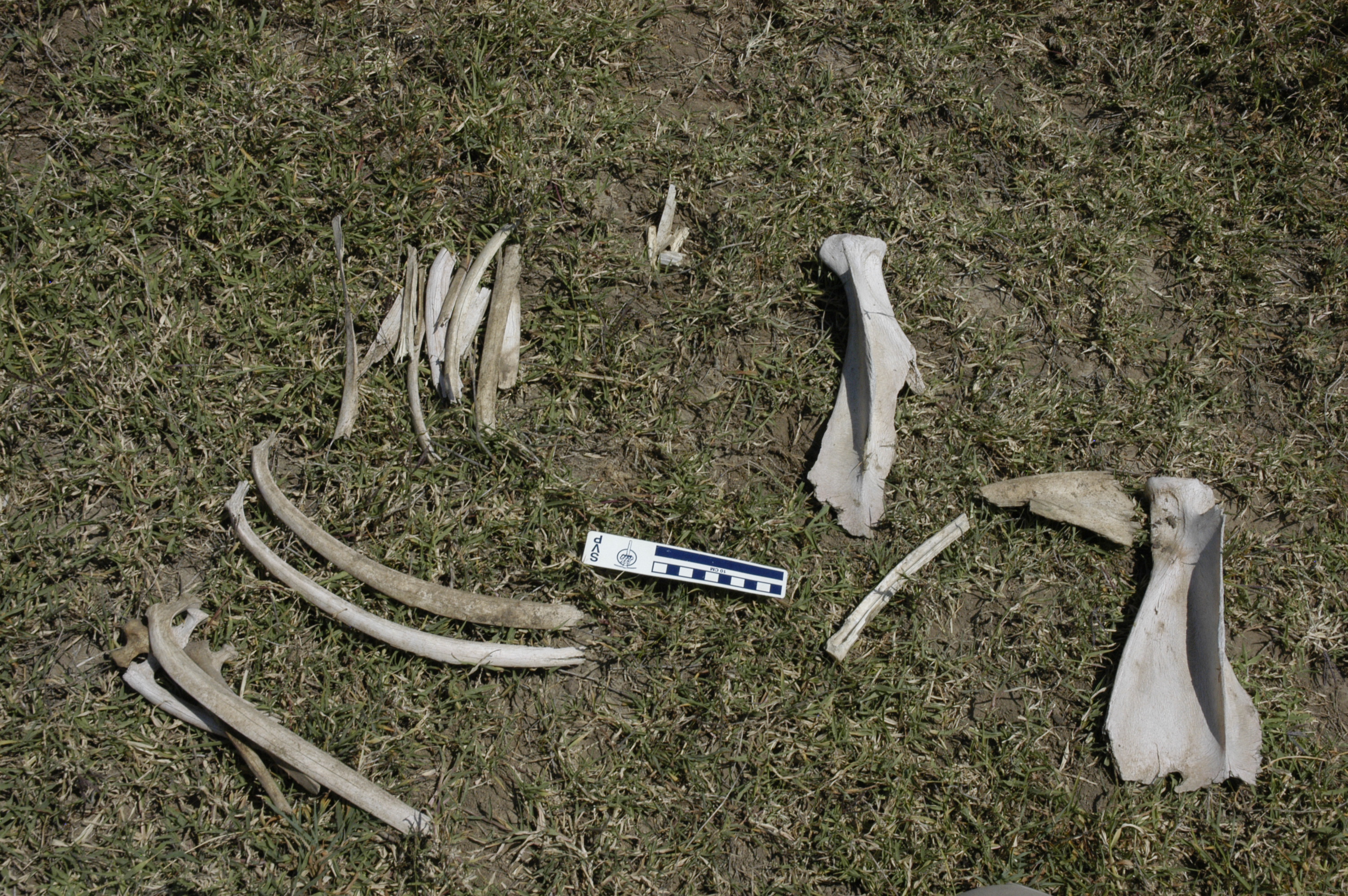

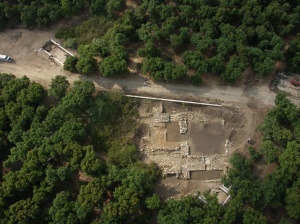
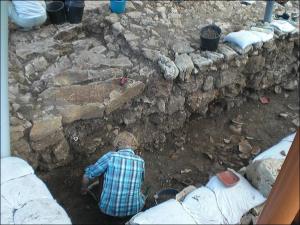 In the side of the corridor, hidden in the wall, was at least one entrance and perhaps as many as three entrances. One of the entrances had a cracked block that, had we been excavating in Greece, I would have said it was the lintel block to the entrance to a tomb. So we could see this cracked block with soil beneath it, in what was otherwise a solid stone wall. Next to it was another faint outline where the stones looked like they were horizontal and vertical, indicating the possibility of a blocked opening in the wall, and then another one [blocked opening] on the other side, as well. We didn’t know what this was. But it was in the middle of the palace, it was a hidden entrance in a wall, which one could not have seen unless one was actually in there. This was interesting because at the site of Qatna in Syria they had just found similar openings in their palace. Those openings led to a royal tomb.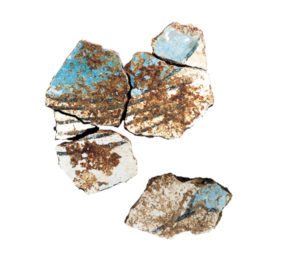
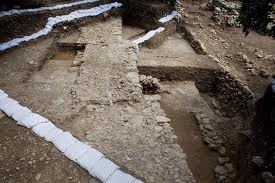 It zigzags, which is usually seen on Crete. It is either a walkway or the bottom of a wall. If it is a wall, then it is a protective wall going around the palace. I think it is a roadway and that the road may well be extending around the palace. A similar roadway can be found at Knossos and elsewhere. If it is a roadway, and this is the northern perimeter of the palace, and the entrance is on the west, then what we see may indeed be turning a corner and headed to the entrance. So if we continue to excavate in that direction this coming season, it may lead us to the missing entrance to the palace.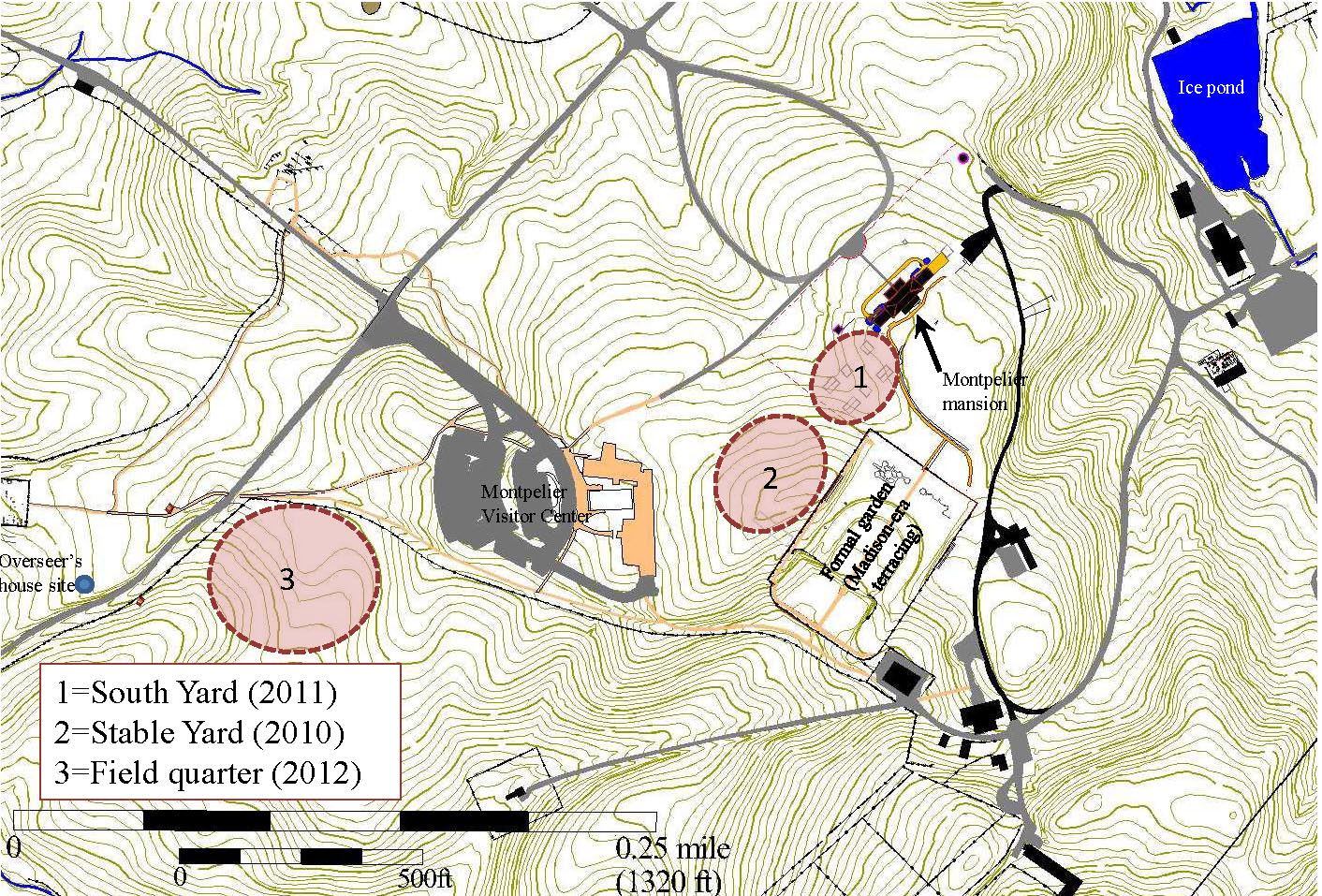
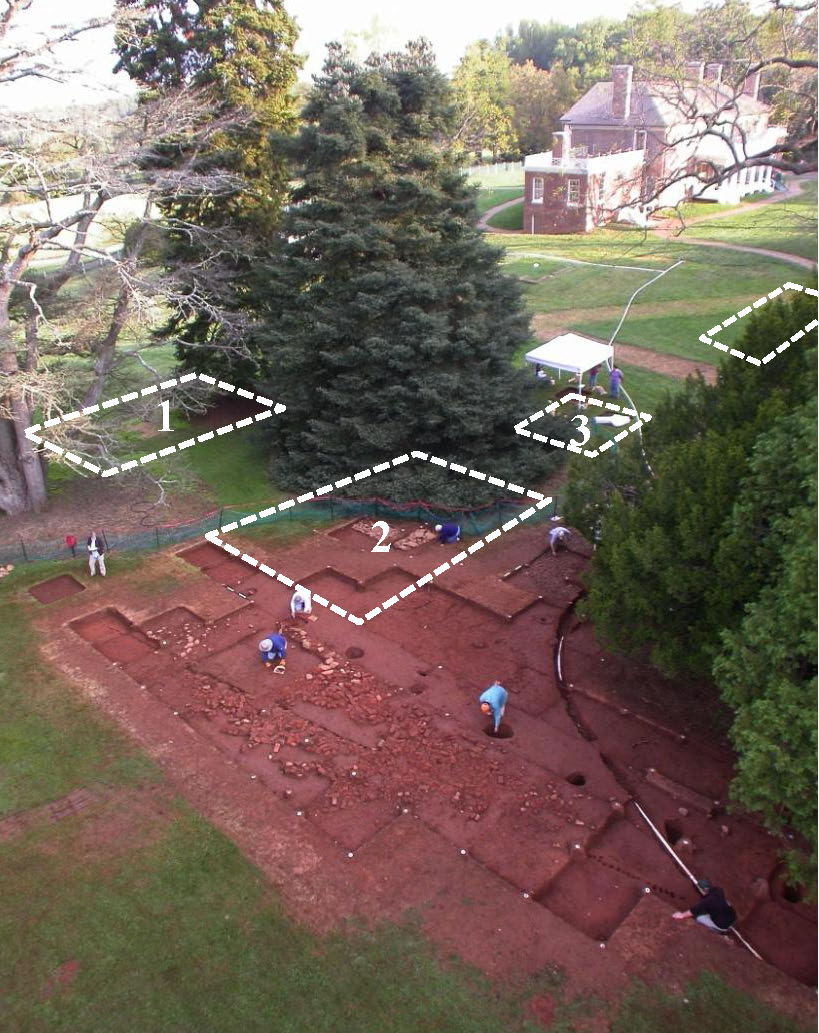
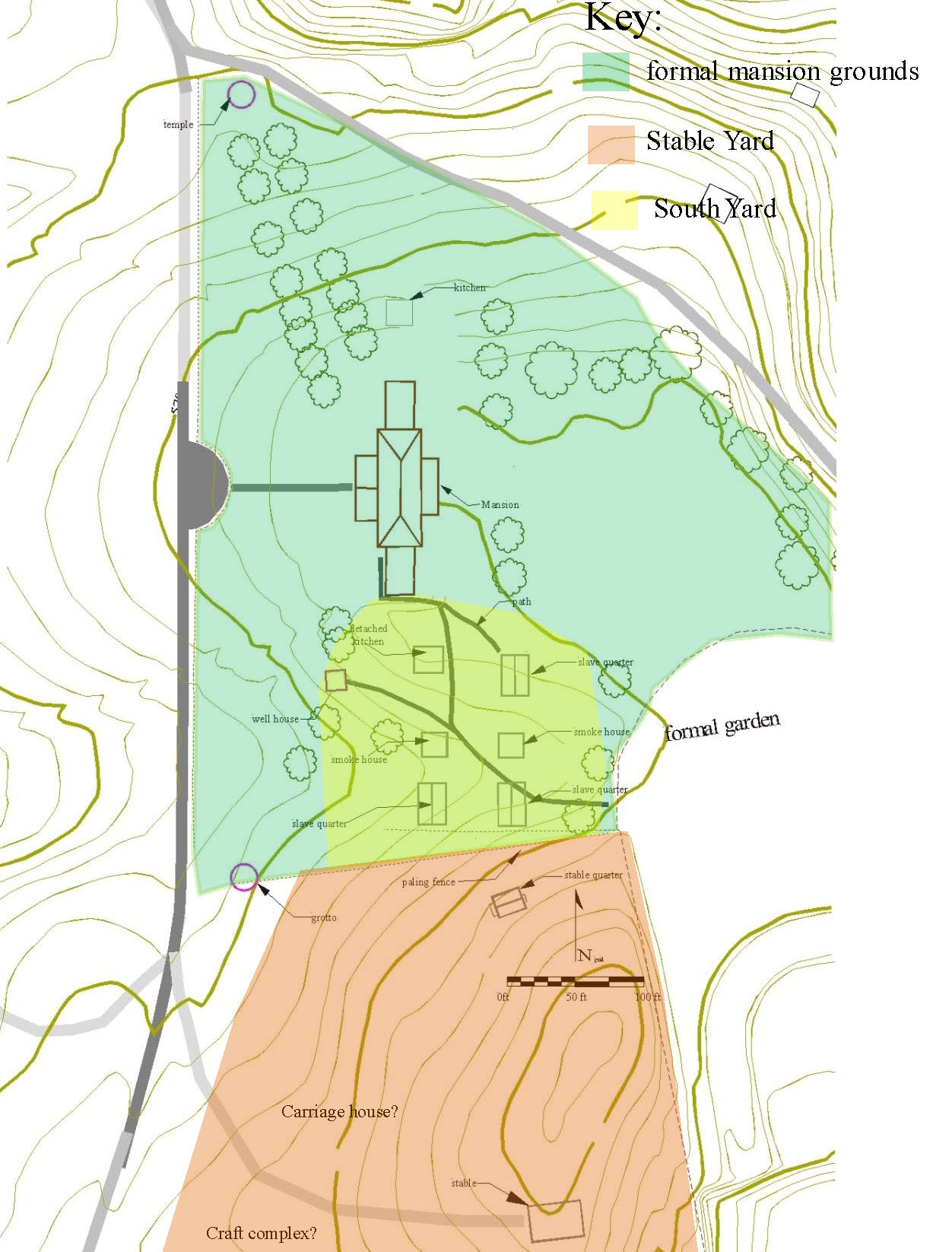 Figure 2. Early 19th century appearance of mansion grounds. The area shown in light green is the formal boundary of the mansion grounds (curtilage) as defined from archaeological features and period descriptions. The area of the South Yard shown in yellow while the Stable Yard is in orange.